



Focus - Laws and Regulations

The EU ruling on excess profits establishes a balance between public intervention and the protection of investments in renewables.
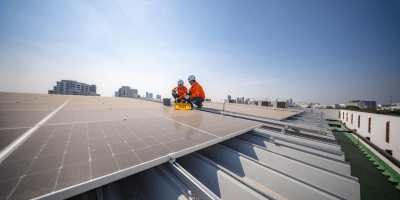
The new MASE Strategic Plan for the three-year period 2026-2028 focuses on energy security, natural gas, decarbonization, and the development of sustainable nuclear power in the technology mix.

The EHPA calls on the EU to simplify the regulatory framework for heat pumps, with the aim of reducing technical burdens and encouraging deployment and innovation.
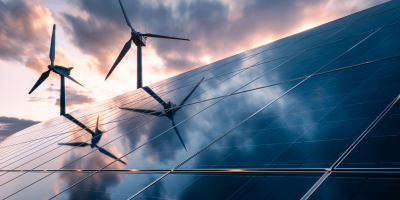
The RED III Decree redefines national targets for renewable sources and introduces new obligations for heating, cooling, and strategic sectors, accelerating the energy transition.
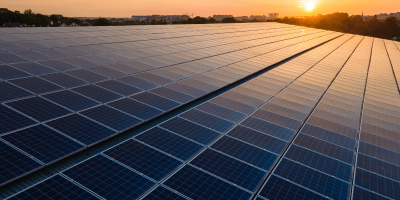
The PNRR 2026 Decree strengthens incentives for renewable energy sources (CER), agrivoltaics, and biomethane, focusing on distributed and integrated energy models.
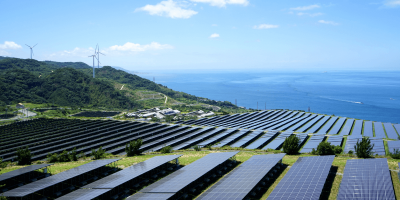
The PNRR's Agrisolar Park Facility encourages photovoltaic systems on agricultural buildings, promoting self-consumption, energy efficiency, and sustainability.
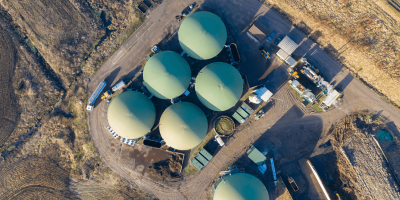
The MASE clarifies the rules for the use of sustainable biomethane in the ETS, offering new decarbonization opportunities for the energy sector.
The WEEE Decree 2026 introduces clearer rules for the management of photovoltaic modules and makes manufacturers responsible for the end-of-life of the panels.
The Constitutional Court clarifies that "unsuitable" areas cannot automatically ban renewables. A key step for energy and plants.

The 2026 Budget reforms Industry 4.0 incentives, focusing on structural investments, interconnection, and the European supply chain, also impacting energy and facilities.
EU energy and climate governance is transforming to ensure more effective coordination towards decarbonisation objectives, with impacts on legislation, investments, and plant technologies.
