
Sustainable biomethane and the ETS: operational guidelines for the energy sector approved.
The MASE clarifies the rules for the use of sustainable biomethane in the ETS, offering new decarbonization opportunities for the energy sector.
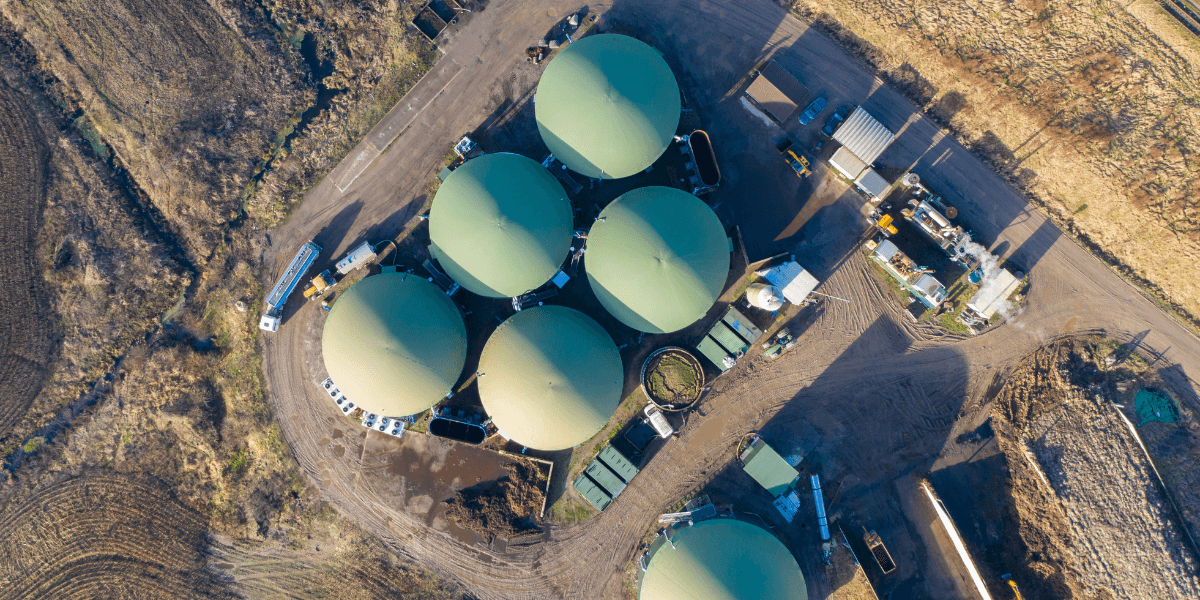
The Ministry of the Environment and Energy Security (MASE) has approved the Technical and Operational Guidelines for the use of sustainable biomethane within the ETS (Emission Trading System). This significant step finally clarifies how this renewable energy source can be integrated into European emissions reduction mechanisms, offering new opportunities to energy and industrial operators subject to ETS obligations.
Biomethane in the ETS: What the new guidelines provide
The operational guidelines clearly define the technical and documentary conditions required for biomethane to be recognized as a sustainable fuel within the ETS, allowing the application of a zero emission factor.
In particular, the provision provides concrete references on:
- sustainability criteria for biomethane , in line with European legislation on renewable sources;
- fuel traceability and certification methods along the supply chain ;
- verification and control requirements , useful to demonstrate the correct application of the ETS rules;
- areas of use of biomethane in the industrial and energy sectors subject to the emissions trading system.
These elements allow companies to operate with greater regulatory certainty, reducing the risk of inconsistent interpretations and facilitating the adoption of biomethane as a strategic lever for reducing emissions.
A concrete lever for the decarbonisation of energy processes
The inclusion of sustainable biomethane within the ETS strengthens the role of gaseous renewables in the energy transition.
For many companies, biomethane represents an immediately applicable solution, capable of combining emissions reduction , operational continuity and the valorisation of existing infrastructure , such as gas networks and cogeneration plants.
From a technical standpoint, this regulatory evolution allows designers, energy managers, and HVAC operators to integrate biomethane into energy systems as a tool for environmental compliance, alongside other energy efficiency and decarbonization solutions.
Impacts for operators, designers and the plant supply chain
The guidelines approved by MASE also have direct implications for the plant and technology supply chain, which is required to support companies in adapting their power, measurement, and control systems. Adopting sustainable biomethane requires specific expertise in plant design, energy flow monitoring, and environmental performance management.
In this scenario, biomethane confirms its position as a strategic resource for the energy sector, capable of contributing to European climate goals without sacrificing the reliability and flexibility required by production processes.
Related Focus