RAEE and photovoltaics: what changes with the 2026 Decree and the obligations for producers and installers
The WEEE Decree 2026 introduces clearer rules for the management of photovoltaic modules and makes manufacturers responsible for the end-of-life of the panels.
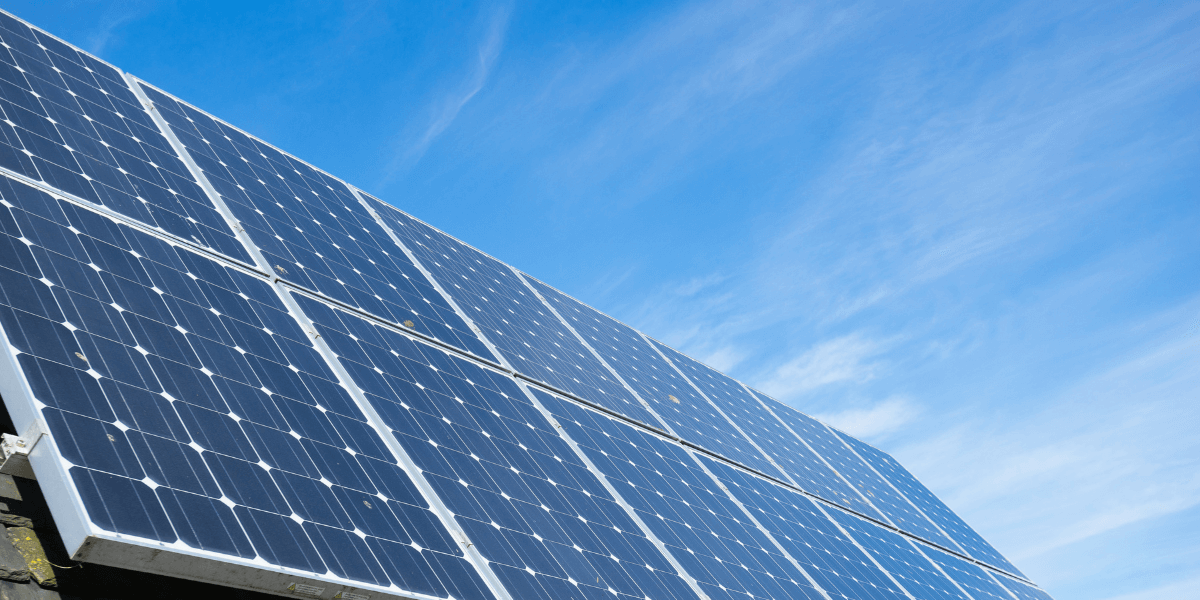
The new Legislative Decree of 7 January 2026, no. 2 redefines the regulatory framework regarding WEEE (waste electrical and electronic equipment), significantly updating the end-of-life management of photovoltaic modules .
The goal is to align the legislation with European directives, clarify operator responsibilities, and improve material traceability. This is a crucial step for a growing sector, which now also faces the challenge of properly disposing of panels installed over ten years ago, many of which are approaching the end of their life cycle.
A new framework for photovoltaic panels
Among the main innovations introduced, the exclusion of photovoltaic panels from the category of so-called "historical WEEE" stands out.
The modules are no longer managed through traditional collective mechanisms, but are regulated according to specific criteria that take into account their industrial nature and the principle of extended producer responsibility.
For operators in the sector, this regulatory evolution translates into clearer and more sustainable waste management, which includes:
- precise tracking of the modules , from the installation phase to disposal;
- a dedicated collection system , managed by consortia specialized in the treatment of solar panels;
- uniform recovery and recycling procedures , aimed at valorizing glass, aluminum, silicon and other valuable materials.
This new approach helps reduce environmental risks and promote an industrial model geared towards the circular economy, in line with European policies for energy sustainability.
End-of-life responsibility and traceability
The decree confirms that the financial and operational responsibility for the management of modules placed on the market after August 13, 2012, falls entirely on the manufacturer, regardless of the system's intended use. Companies must therefore plan, from the early design and sales stages, for the collection, treatment, and recycling of decommissioned panels.
In addition to direct liability, the text also introduces new traceability and marking requirements to ensure the correct identification of each device and its management in compliance with European technical standards. These measures strengthen control over the entire supply chain, ensuring a more transparent, sustainable, and technologically advanced approach to photovoltaic management.
Related Focus