
PNRR 2026 Decree: New levers for renewables, CERs, and sustainable energy supply chains
The PNRR 2026 Decree strengthens incentives for renewable energy sources (CER), agrivoltaics, and biomethane, focusing on distributed and integrated energy models.
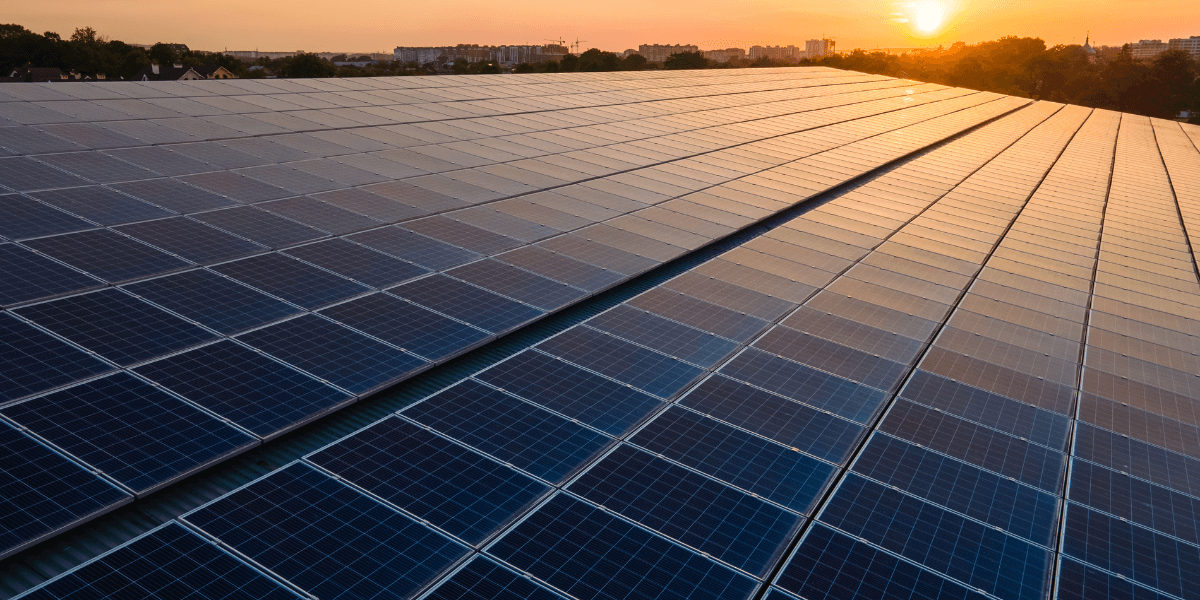
With the PNRR 2026 Decree , the Italian energy policy framework enters a more operational and targeted phase.
The regulatory intervention aims to strengthen several strategic assets of the energy transition —Renewable Energy Communities, agrivoltaics, and biomethane—with the goal of accelerating project implementation and making more effective use of available resources.
After an initial phase of the PNRR characterized by implementation difficulties and complex authorization times, the decree seeks to reduce the gap between planning and implementation by providing more concrete tools to businesses, local authorities, and energy sector operators.
Targeted incentives for distributed and integrated energy models
The decree strengthens an approach to energy transition based on distributed production, integration of sources, and territorial valorization, moving beyond an exclusively centralized vision of the energy system.
The envisaged measures act along several complementary lines:
- Renewable Energy Communities (CER) , to promote collective self-consumption models and energy sharing between public and private entities;
- agrivoltaics , as a solution capable of combining agricultural production and electricity generation, reducing conflict over land use;
- biomethane , a key resource to support electrification and decarbonize industrial sectors and applications that are difficult to electrify.
These measures outline a more flexible energy mix, in which renewable electricity and renewable gas coexist, helping to improve energy security and system resilience.
Operational impacts and the role of industry professionals
For planners, energy managers, developers, and operators in the plant supply chain, the PNRR 2026 Decree represents a concrete opportunity but also requires a step change in the technical and strategic management of projects.
Access to incentives increasingly depends on the ability to set up interventions that are consistent with regulatory requirements , meet deadlines and correctly integrate different technologies .
In this scenario, skills that combine energy planning, knowledge of incentive rules, and economic evaluation become crucial to transforming PNRR resources into truly implementable interventions. The decree thus strengthens the role of professionals as key figures in translating energy policies into operational solutions for businesses and local communities.
Related Focus