Energy efficiency in industry: a competitive advantage for the energy transition
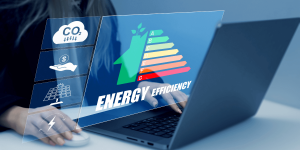
Energy efficiency in industry is not just about saving money: it is a key element for competitiveness, resilience, and the energy transition.

Energy efficiency is no longer just a tool for reducing consumption and cutting operating costs: in the current context of the energy transition, it is a strategic element for industrial competitiveness .
In a context characterized by volatile markets, pressure on energy prices, stringent climate targets, and the growing integration of renewable sources, companies that adopt policies and technologies to improve energy efficiency can achieve tangible benefits in terms of resilience, sustainability , and the ability to rapidly adapt to regulatory and market developments.
Why energy efficiency is a cornerstone of industrial sustainability
Industry is one of the largest energy consumers nationally and globally. Improving energy efficiency means intervening on processes, plants, and production systems to optimize energy use and reduce waste. At a strategic level, this involves:
- reduction of operating costs : lower consumption immediately translates into lower energy costs, with positive impacts on company profitability;
- greater resilience to energy market fluctuations : companies less dependent on energy price spikes are more stable and competitive even in highly volatile contexts;
- Alignment with regulatory and climate objectives : Energy efficiency is a key requirement in EU and national policies to achieve decarbonisation targets for 2030 and beyond.
These elements underline how efficiency is not an isolated "piece", but a cross-cutting driver capable of positively influencing a company's overall performance.
Energy efficiency and technological transition
The integration of smart technologies, automation systems, monitoring and control tools, and the adoption of efficient systems represent an integrated approach to improving energy efficiency in production processes.
In this context, modernizing existing systems—thanks to advanced management systems, more efficient motors, heat pumps, heat recovery, and integration with renewable sources—allows for maximizing energy efficiency while reducing environmental impact.
In particular, the digitalization of processes allows for real-time detection of energy flows, identification of waste, and optimization of resource use, with benefits for both efficiency and operational sustainability.
Concrete benefits for businesses and supply chains
Adopting energy efficiency strategies brings concrete benefits that go beyond simple cost reduction:
- improvement of the overall performance of the plants , with positive impacts on production times and quality of service;
- reduction of the environmental footprint , an increasingly relevant element for customers, partners and stakeholders;
- facilitated access to incentive and financing tools , including national and community programs dedicated to sustainability and energy innovation.
These advantages make energy efficiency a key element for competing in international markets, as well as a critical factor in business development strategies and long-term investment choices.
Towards a culture of widespread efficiency
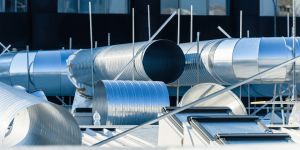
For companies in the energy, HVAC, and air conditioning sectors, integrating energy efficiency means viewing their business not just as a set of isolated processes, but as an interconnected system of technologies and operational decisions. A culture of efficiency requires training, analytical tools, and the ability to interpret consumption data, but above all, a strategic vision that places energy at the center of industrial competitiveness.
As the energy transition continues to evolve, energy efficiency remains one of the most solid pillars for guiding businesses and supply chains toward improved performance, lower environmental impacts, and a greater ability to address regulatory and market challenges.
Related Focus