Air conditioning and energy efficiency: a call for stricter minimum standards
HVAC companies are pushing for more stringent minimum energy efficiency standards for air conditioning systems, for reduced consumption and high performance.
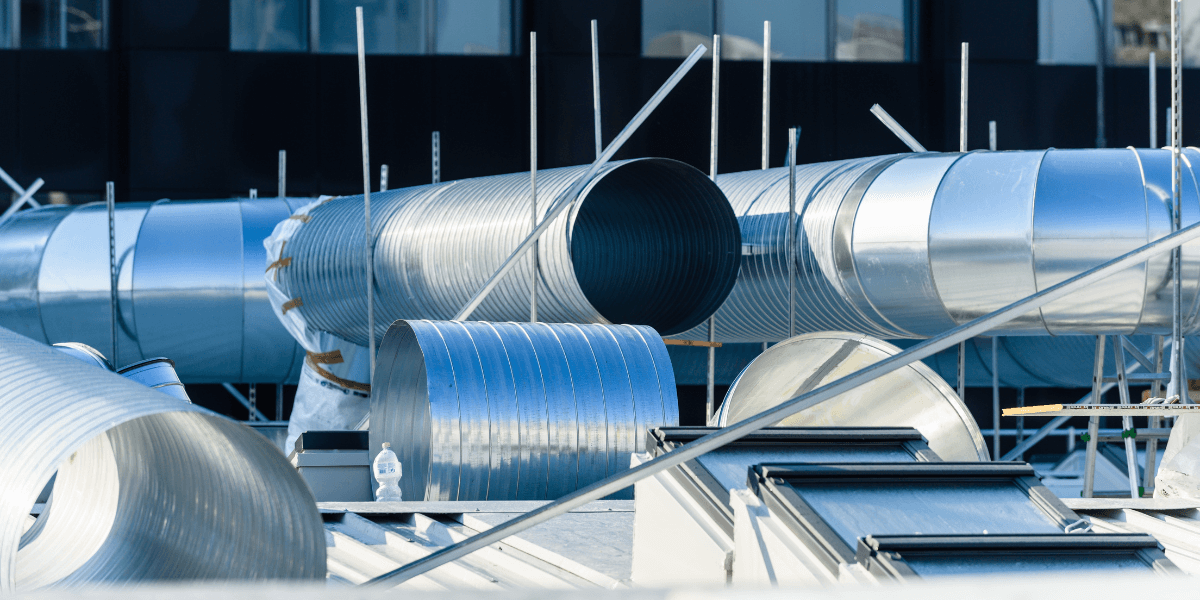
Air conditioning in buildings today represents one of the key items in overall energy demand , with a growing impact on electricity consumption and greenhouse gas emissions .
For this reason, a group of leading companies in the sector has launched an open letter to policymakers and stakeholders , urging a strengthening of minimum energy performance standards for air conditioning systems . The initiative emphasizes the need to raise efficiency requirements, with the aim of reducing energy consumption , stimulating technological innovation, and supporting the transition to higher-performance buildings.
Why we need stricter standards
Air conditioning is now one of the main drivers of growth in energy demand , especially in the summer months, but not only: the increase in average temperatures and the progressive electrification of processes and comfort are making HVAC systems increasingly central to building consumption.
In this context, minimum energy performance standards ( MEPS ) play a strategic role in increasing the efficiency of products placed on the market, reducing the minimum tolerated performances and encouraging the diffusion of high-performance solutions.
The promoters of the letter highlight how an update of the performance thresholds could:
- push the widespread adoption of high-efficiency technologies , such as heat pumps and advanced inverter systems;
- reduce overall electricity consumption of buildings , with direct effects on operating costs and bills;
- improve air quality and indoor comfort through more efficient use of machinery;
- Accelerate HVAC product innovation by rewarding those who invest in higher-performance design and components.
Implications for the HVAC industry and energy professionals
For installers, designers and operators in the HVAC market, strengthening air conditioning performance criteria brings both opportunities and operational challenges.
More stringent standards can indeed guide system choices towards more efficient and competitive solutions, but they also require a revision of design guidelines, greater attention to integration with advanced control systems, and more in-depth knowledge of available technologies.
Furthermore, the strengthening of minimum requirements is part of a broader regulatory context, where instruments such as the new Minimum Requirements Decree 2026 are already pushing for higher performance of HVAC systems integrated into the building as a whole.
For the energy and air conditioning industry, the companies' call could represent a turning point: no longer a simple call for regulation, but a sign of the sector's maturity towards truly sustainable performance, capable of reducing environmental impact, improving system efficiency, and creating new opportunities for advanced technical expertise.
Related Focus