Heat pumps for cold climates: performance, incentives, and value for the energy market
Cold climate heat pumps offer reliable performance, incentives, and new opportunities for energy efficiency in buildings.
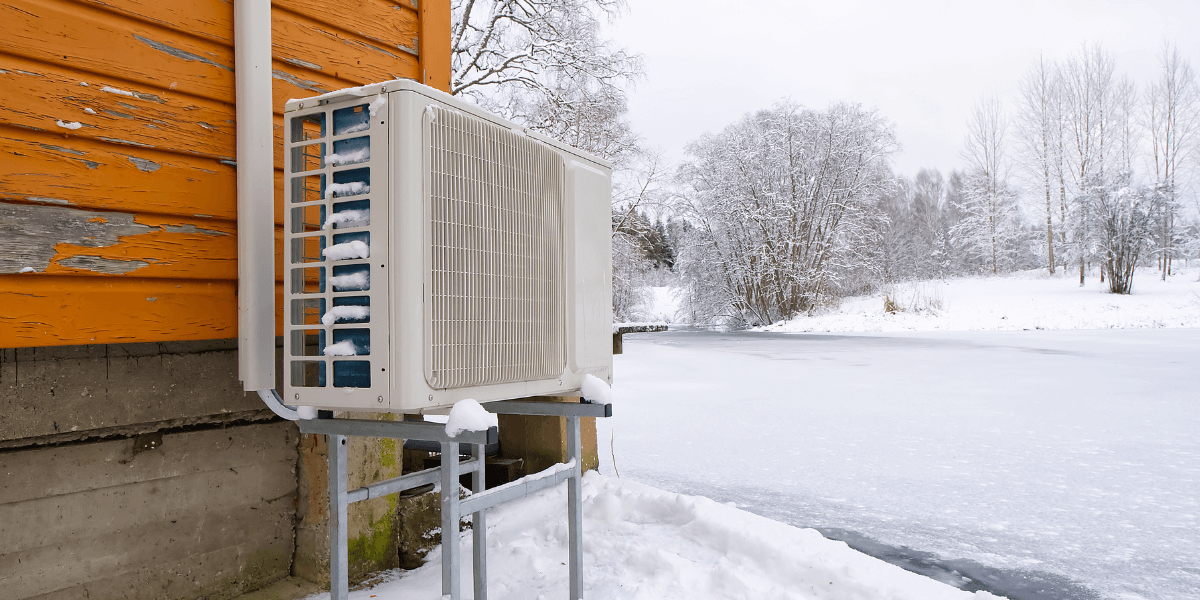
Heat pumps for cold climates today represent an increasingly practical solution in the process of electrifying and decarbonizing buildings . Technological advances in recent years have allowed these machines to guarantee continuous operation and efficiency even at low outside temperatures, overcoming many of the concerns that had previously limited their adoption.
For designers, installers, and energy managers, the issue is no longer whether the technology is suitable for harsh climates, but how to properly integrate it into building-plant systems and communicate its value.
Winter performance and proper design
Modern heat pumps for cold climates are designed to maintain reliable performance even below freezing, thanks to advanced compressors, optimised refrigeration cycles and advanced control systems .
However, for the declared performance to translate into real results, system design plays a key role. In particular, it is essential to consider:
- sizing based on the actual needs of the building , avoiding over- or under-sizing;
- quality of the building envelope , which directly affects winter thermal loads;
- low-temperature distribution systems , more consistent with the operation of the heat pump;
- regulation and control strategies , essential for adapting operations to climatic variations.
A correct design approach allows you to limit the drop in performance during the coldest periods and to guarantee continuous comfort and energy efficiency even in challenging climatic conditions.
Incentives and economic sustainability of the intervention
A key factor in the widespread adoption of heat pumps in cold climates is energy efficiency incentives , which help reduce the initial investment and improve the project's economic sustainability. Integrating incentives from the early design stages allows for a more comprehensive view of the project, highlighting not only the environmental benefits but also the economic ones.
For industry professionals, proper management of these tools becomes an integral part of the technical proposal, facilitating client decisions and making the heat pump a competitive solution even in the most challenging climates.
Communicating value beyond technical performance
In addition to efficiency data, heat pumps for cold climates offer a series of perceptible benefits that directly impact the end user experience. In addition to reducing consumption and emissions , these systems guarantee stable energy costs , consistent thermal comfort , and alignment with the sustainability strategies increasingly required in the building sector.
For designers and installers, the ability to translate technical performance into tangible benefits is a crucial factor in encouraging technology adoption. Clear communication, supported by realistic usage scenarios, helps overcome resistance related to cold climates and position the heat pump as a mature, reliable, and market-ready solution.
Related Focus