2025: Record-breaking temperatures, growing renewables, and geopolitical tensions: lessons for the energy transition
2025 marks a year of record temperatures, growth in renewables, and geopolitical tensions, redefining energy transition strategies and imposing new plant priorities.
2025 wasn't just another challenging year for the energy sector. It was the year in which climate records, energy transition, and geopolitical tensions became clearly intertwined , making it clear that the energy system can no longer be viewed in silos.
For those working in the plumbing, HVAC, and energy efficiency sectors, these signals aren't just news: they're concrete indications of how design, management, and strategies will need to evolve in the coming years.
Temperature records: climate enters design calculations
The exceptional temperatures recorded during 2025 have had direct effects on energy consumption and infrastructure .
Summer cooling has become an increasingly dominant issue, while managing peak demand has put grids and distribution systems under stress. This scenario confirms a now evident reality: the climate is no longer an external variable , but a structural factor that influences system design.
For the HVAC world, this means rethinking solutions and sizing with a view to resilience, operational continuity, and adaptation to increasingly extreme conditions. Energy efficiency and intelligent load management become essential, not optional.
Renewables are growing, but integration is needed.
2025 also marked a strong acceleration in renewable sources .
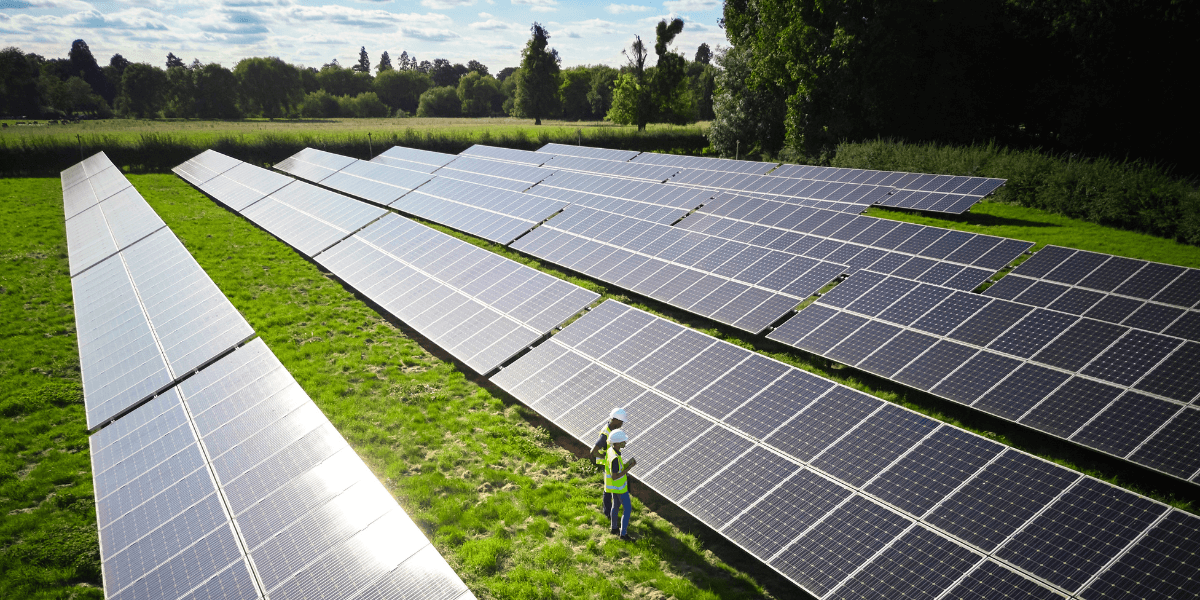
Photovoltaic and wind power continue to grow and occupy an increasingly significant share of the energy mix. But the experience of the last year has clearly shown that the growth of renewables alone is not enough.
Without adequate grids, storage, and flexible management systems, clean energy risks failing to realize its full potential. This is where integrated systems come into play: photovoltaic, storage, heat pumps, and HVAC systems must communicate with each other to ensure stability, self-consumption, and reduced energy costs.
Geopolitics and energy: a now structural relationship
The geopolitical tensions that have prevailed since 2025 have confirmed that energy security remains a key issue. Volatile markets, fragile supply chains, and external dependencies continue to influence resource prices and availability.
In this context, the energy transition is not only an environmental choice, but also a strategy for autonomy and resilience.
For businesses and professionals, this translates into the need to design systems less exposed to energy market fluctuations, enhancing self-generation, efficiency, and more informed consumption management.
A clear lesson for the plant engineering sector
The message coming from 2025 is clear: climate, energy, and geopolitics are now part of a single system . This means looking at the energy transition not as an abstract goal, but as a concrete path made of design choices, integrated technologies, and skills.
Those who work in the HVAC and energy sector today are called upon to interpret these signals and transform them into solutions capable of lasting over time, in an increasingly complex context but also one full of opportunities.
Related Focus