
Energy efficiency in construction: from the KEY comparison, the challenges for the sector
From the KEY comparison, a clear vision emerges: energy efficiency in buildings requires integrated design, efficient HVAC systems, and intelligent control.
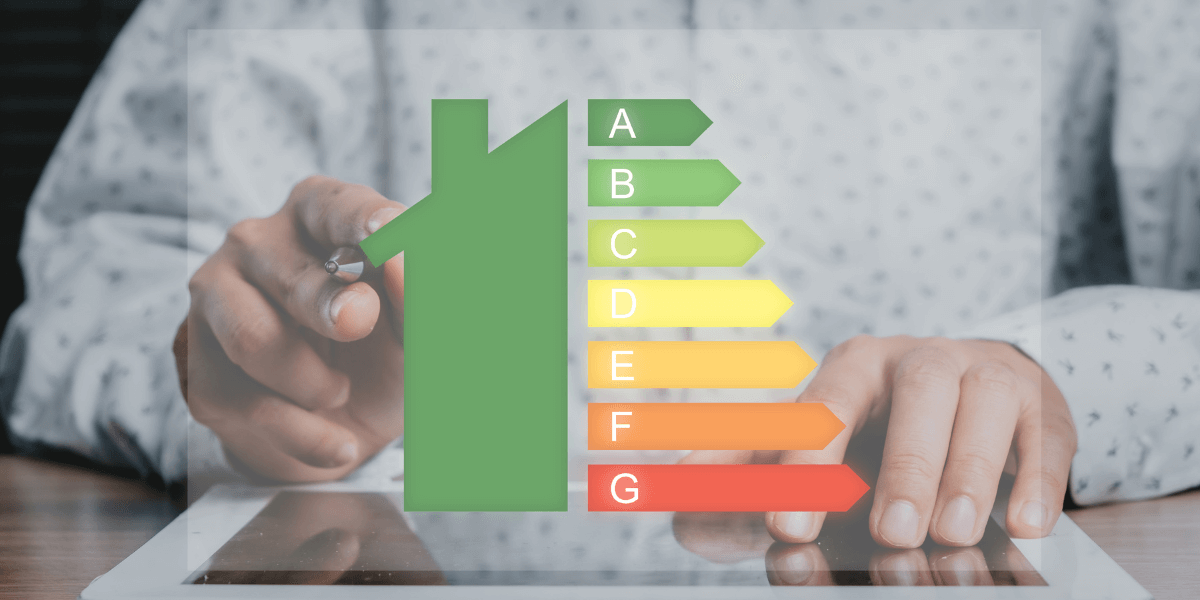
Energy efficiency in buildings has returned to the center of the debate, not only as an environmental goal but as a concrete lever for transforming the construction sector.
During the conference dedicated to the topic, hosted within KEY – The Energy Transition Expo , a clear vision emerged: the coming years will be crucial for translating European and national strategies into real interventions on the building stock, with a direct impact on design, systems and the HVAC supply chain.
More efficient buildings: from objectives to design choices
The path outlined by European policies aims to progressively reduce energy consumption in buildings by 2030 and beyond. This timeframe requires a change of pace, especially for a building stock like Italy's, characterized by a high percentage of energy-intensive buildings.
In this context, efficiency can no longer be addressed as a set of specific interventions. An integrated vision is needed, in which building envelope, systems, and control systems contribute in a coordinated manner to improving performance. For the HVAC industry, this means assuming an increasingly central role in ensuring measurable results, capable of impacting actual consumption and not just design parameters.
Systems and control: the strategic role of HVAC
From the discussion at KEY, it's clear that the energy transition also depends on the quality of building systems. Efficient air conditioning systems, integration with renewable energy sources, and intelligent building management are key elements in achieving the goals set at the European level.
For industry professionals, the challenge is not only technological, but also cultural: designing systems with long-term operation, adjustment, maintenance, and interaction with the building in mind. In this scenario, HVAC is no longer a simple support, but one of the cornerstones for building more efficient, comfortable buildings that meet new energy requirements.
From regulatory transition to market opportunities
The debate on energy efficiency also highlights an often overlooked aspect: new regulations and medium- to long-term objectives can transform into concrete opportunities for the supply chain. The demand for high-performance solutions is set to grow, as is the value of the technical expertise capable of supporting this transformation.
The question isn't just "what will change," but how the sector can prepare. Those who understand energy efficiency as a structured process—comprising design, systems, monitoring, and management—will be able to play a leading role in the construction industry's transition to more sustainable and high-performance models.
Related Focus