



Renewables are increasingly competitive: today's economic convenience is accelerating the energy transition.
Renewable energy is now cheaper than fossil fuels in 85% of new energy projects.
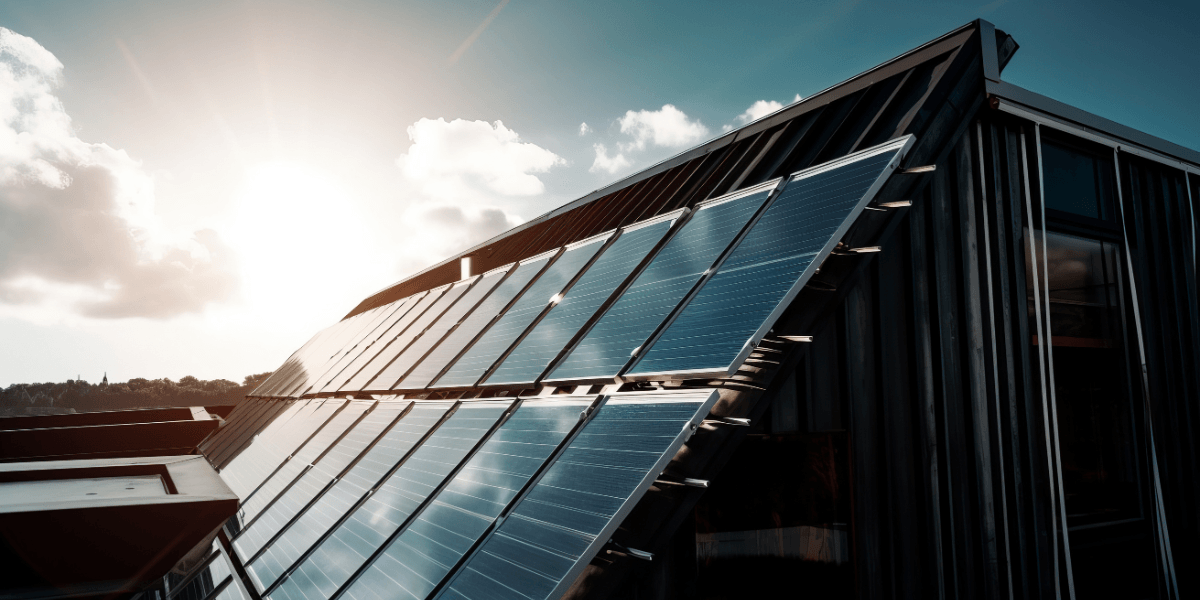
For years, renewable energy was considered primarily an environmental option, supported by incentives and decarbonization policies. Today, however, the landscape is rapidly changing: photovoltaic and wind power are becoming increasingly competitive, even economically, changing the way new plants and energy investments are designed.
According to the latest international analyses, 85% of new energy projects already find renewables more cost-effective than fossil fuels . This figure highlights how the energy transition is no longer driven solely by climate objectives, but by genuine industrial and economic competitiveness.
Photovoltaic and wind power lead the paradigm shift
The progressive reduction in technology costs is profoundly transforming the energy market. In recent years, industrial innovation, increased production capacity, and economies of scale have made photovoltaic and wind energy increasingly accessible and competitive with traditional sources.
In many cases, new renewable plants are now more economically advantageous than fossil fuel alternatives even without considering incentives or public support mechanisms.
This change of scenario is also directly influencing the energy strategies of companies and operators in the building sector, which are increasingly oriented towards:
- electrification of consumption
- self-production of energy
- integration between HVAC and renewable sources
- intelligent energy storage and management systems
Renewables are therefore moving from an “alternative” solution to a central element in energy planning.
Energy security and cost stability
Alongside the issue of economic convenience, the issue of energy security also emerges. The volatility of gas and energy commodity prices in recent years has highlighted the fragility of systems heavily dependent on fossil fuels.
In this context, energy production from renewable sources is increasingly seen as a tool for increasing autonomy and predictability of energy costs in the long term.
For the HVAC and energy sectors, this means designing buildings and systems that are increasingly integrated with local energy production, reducing dependence on fluctuations in international energy markets.
HVAC and energy: changing the way we design systems
The growing competitiveness of renewables is already changing the way we design HVAC and energy systems. Today, photovoltaics is no longer considered an optional addition, but increasingly the starting point around which to build the building-system system.
Heat pumps, electrical storage, intelligent load management, and self-consumption are becoming central elements of a design approach geared toward energy efficiency and electrification.
The real transformation therefore concerns the overall energy model: the competitiveness of renewables is accelerating the transition towards more autonomous, electrically powered buildings, and integrated with local energy production.
Related Focus

FAQ
The reduction in energy production costs from renewable sources is accelerating the transition to electrified and decentralized energy systems. In the HVAC/R sector, this favors the spread of heat pumps, all-electric systems, and integration with photovoltaic and storage systems. System design is therefore oriented toward buildings and industrial processes capable of exploiting low-cost renewable energy, improving efficiency and reducing dependence on fossil fuels.
The increased penetration of renewables introduces challenges related to intermittency in generation and the management of electrical loads. From a systems perspective, it becomes necessary to integrate storage systems, advanced EMS/BMS, and demand response logics to coordinate generation and consumption. Furthermore, the increasing electrification of HVAC systems requires more resilient networks and design solutions capable of adapting to variable energy availability.
The economic viability of renewables is accelerating the evolution towards integrated, data-driven energy systems, where air conditioning, storage, and energy production work synergistically. Designers must develop modular and flexible systems optimized for self-consumption and intelligent management of energy flows. This approach improves the resilience, operational continuity, and economic sustainability of buildings and industrial processes.
