



Offshore wind: Europe accelerates efforts to strengthen energy independence and competitiveness
Europe is accelerating offshore wind development to strengthen domestic energy production, electrification, and energy security.
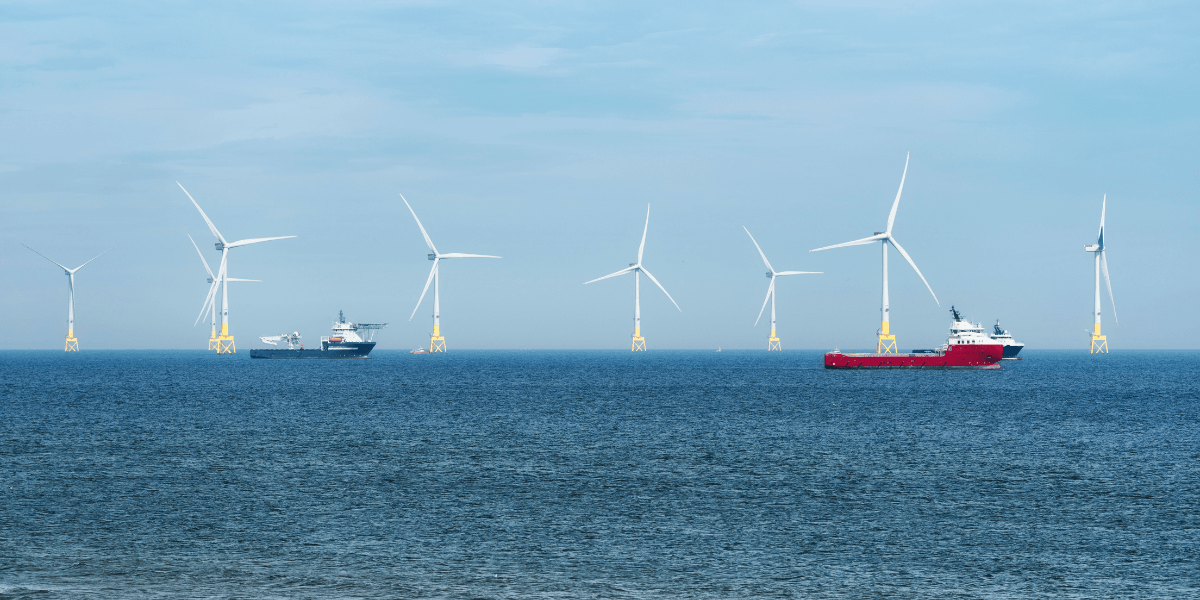
Offshore wind is taking on an increasingly strategic role in Europe's energy transition . It's not just about increasing renewable energy production, but about building a more autonomous, resilient energy system that's less exposed to the volatility of fossil fuels .
In this context, Europe aims to accelerate the development of “homegrown” electricity production , identifying offshore as one of the key technologies to support electrification, energy security and industrial competitiveness.
Offshore wind: a key technology for European energy
Offshore wind represents one of the most important tools for ensuring Europe's large-scale domestic energy production . The growth of this technology is considered essential to reducing energy dependence on imports and limiting exposure to geopolitical crises and energy price fluctuations.
To support this acceleration, European countries are working on new industrial agreements and investment support mechanisms , with the aim of increasing installed offshore capacity in the coming decades.
Among the tools considered central are:
- more stable and predictable auctions
- greater visibility for the supply chain
- development of port infrastructure and electricity networks
- long-term contracts to support investments
The goal is to create the conditions for faster and more coordinated industrial development of the entire offshore supply chain.
Electrification and domestic production: the European strategy
The acceleration of offshore wind power is part of a broader strategy, which focuses on the electrification of consumption as a structural response to the energy crisis.
According to the European Commission, the growth of renewables must be accompanied by increasingly widespread use of electricity in the residential, industrial, and transport sectors. However, electricity still accounts for less than a quarter of Europe's total energy consumption, a sign that the transformation process is still underway.
In this scenario, offshore wind is seen as a strategic source to supply Europe's growing electricity demand with domestically produced, low-emission energy.
Impacts on HVAC and the evolution of energy systems
The growth of offshore wind will also have direct impacts on the HVAC and energy sectors. Greater availability of electricity from renewable sources favors the spread of electrical technologies such as heat pumps , which are increasingly central to air conditioning in buildings and industrial processes.
For designers and industry professionals, this means addressing more integrated energy systems, where renewable generation, storage, and intelligent energy management become key design elements.
The evolution of offshore wind therefore confirms a broader transformation: the shift from a system based on fossil fuels to a model based on electrification, renewables, and energy integration.
Related Focus


FAQ
Offshore wind is assuming a central role in European energy systems thanks to its ability to produce large amounts of renewable energy more steadily than onshore wind. This development is particularly relevant to national power grids, large industrial hubs, and urban areas with high electricity demand. In the HVAC/R sector, the increased availability of renewable electricity is encouraging the deployment of heat pumps, all-electric systems, and integrated systems geared toward decarbonization.
The increasing availability of large-scale renewable energy is accelerating the design of increasingly electrified HVAC systems integrated with smart grid systems. It is becoming strategic to develop systems capable of modulating consumption based on energy availability, leveraging advanced EMS/BMS and thermal storage. This approach optimizes self-consumption, efficiency, and energy flexibility of buildings and industrial processes.
The expansion of offshore wind power reduces Europe's dependence on imported fossil fuels, increasing energy resilience and stabilizing energy costs in the long term. For energy-intensive businesses and the HVAC/R sector, this means greater economic predictability and the opportunity to accelerate the electrification of consumption. Furthermore, the growth of the offshore supply chain stimulates technological innovation and investment in advanced energy infrastructure.
