



Photovoltaics and innovation: research accelerates the future of solar energy
Research accelerates photovoltaic innovation through new cells, sustainable materials, and integration into agriculture and buildings.
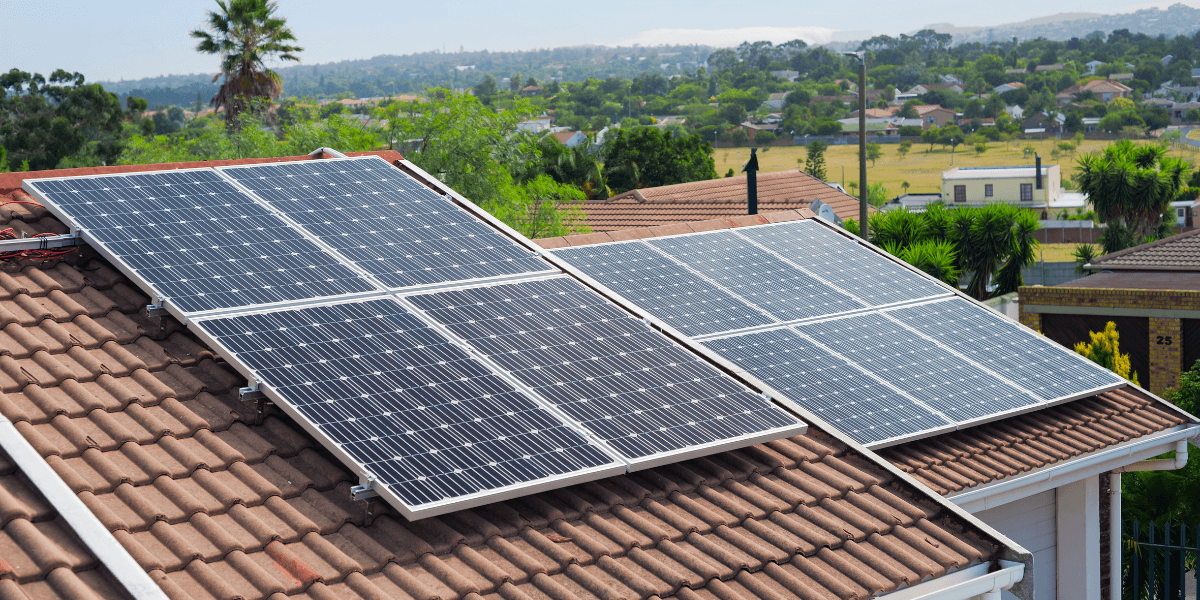
Photovoltaic continues to be the fastest-growing renewable technology globally, but its development depends not only on increased installations. Research is also driving the sector, focusing on improving efficiency, material sustainability, and integrating solar into new application contexts.
Today, photovoltaic progress increasingly relies on technological innovation, with research activities that are redefining the future possibilities of solar energy.
From silicon cells to perovskites: how photovoltaic technology is evolving
In recent years, photovoltaic technology has undergone significant technological evolution. Silicon cells , still dominant on the market today, have significantly improved their performance, going from efficiencies of 17-18% to values reaching 23-24% in the most recent modules.
At the same time, research is focusing on new high-efficiency solutions, such as perovskite/silicon tandem cells , considered one of the most promising technologies for the future of the sector . In Italy, several projects are active dedicated to the development of new photovoltaic materials and architectures, with the aim of improving the performance, reliability, and sustainability of devices.
Alongside efficiency, there is also growing attention towards eco-friendly materials and more sustainable production processes , a sign of research increasingly oriented towards combining innovation and reducing environmental impact.
Integrated photovoltaics: new applications for agriculture and buildings
One of the central themes of the research concerns the possibility of further expanding the diffusion of photovoltaics through new forms of integration . It's no longer just a matter of increasing installed capacity, but of understanding how to integrate solar into different contexts without compromising functionality or space utilization.
Among the most interesting areas are:
- agrivoltaics and photovoltaic greenhouses
- semi-transparent modules for urban applications
- architectural integration in buildings
- advanced diagnostic and forecasting systems
In particular, research is working on modules capable of combining electricity generation and selective light transmission, opening up new perspectives for agriculture and building integration.
At the same time, the use of artificial intelligence and machine learning algorithms in plant management allows for improved monitoring, maintenance, and forecasting of energy production.
Research and industry: a supply chain striving for growth
Alongside technological innovation, the issue of European industrial development in photovoltaics is also emerging. Italian research is contributing to the definition of new production chains , with initiatives aimed at strengthening national and European manufacturing capacity in the high-efficiency cell and module sector.
In this scenario, photovoltaics is no longer seen simply as an energy technology, but as a strategic lever to support electrification, industrial competitiveness, and energy autonomy.
For the HVAC and energy sectors, this means dealing with increasingly integrated systems, in which renewable generation, storage, and intelligent energy management become central elements in system design.
Related Focus



FAQ
Innovation in photovoltaics is expanding the possibilities for integration in residential, commercial, and industrial buildings, thanks to more efficient, flexible, and architecturally compatible modules. In HVAC/R, this favors integrated energy systems where solar generation, heat pumps, and storage work synergistically. Design is therefore evolving toward buildings capable of maximizing self-consumption and intelligently managing energy loads.
New technologies—such as tandem cells, perovskites, and bifacial modules—still present challenges related to durability, performance stability, and industrial scalability. From a plant engineering perspective, integrating high-efficiency systems requires advanced inverters, advanced operating temperature management, and greater attention to compatibility with storage and EMS. Furthermore, rapid technological evolution can make design standardization complex.
The technological evolution of photovoltaics opens up opportunities for microgrids, energy communities, and increasingly autonomous distributed energy systems. In the medium term, the combination of advanced solar, storage, and digitalization will enable more efficient and decentralized energy management. For the HVAC/R sector, this means designing systems capable of dynamically adapting to energy availability, improving comfort, operational continuity, and economic sustainability.
