



Renewables and landscape constraints: a concrete evaluation of projects is needed
A ruling by the Council of State clarifies that landscape denials for renewable energy plants must be justified on a case-by-case basis.
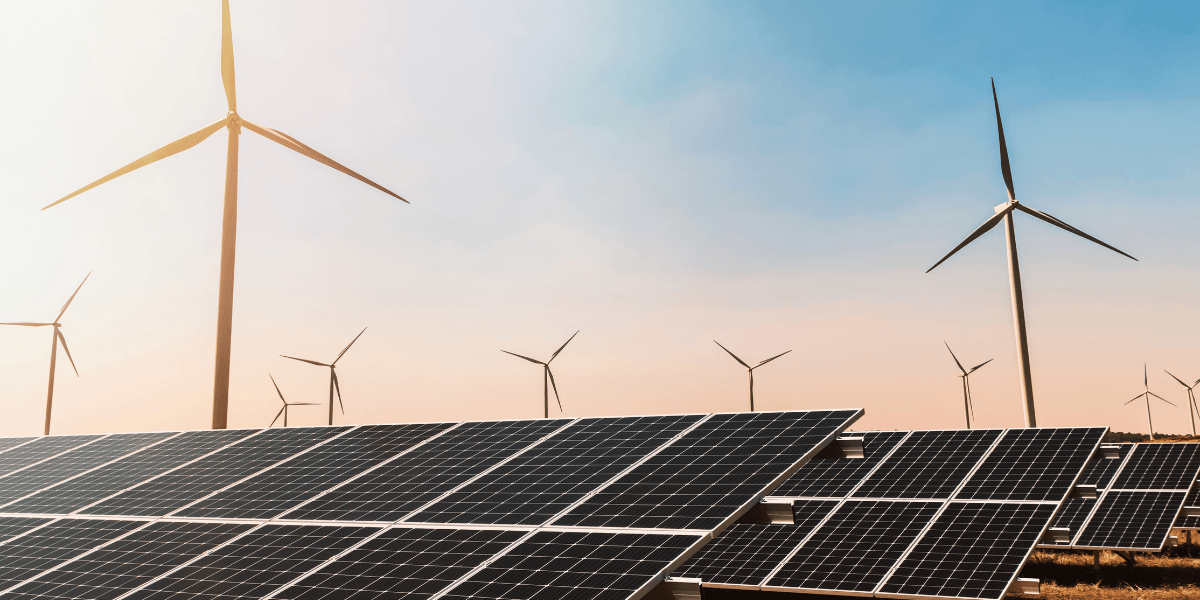
In the development of renewable energy , the issue of landscape integration continues to be one of the most sensitive aspects from a permitting perspective. Photovoltaic and wind power , in fact, are increasingly confronted with assessments related to land protection , generating disputes between operators and public administrations.
A recent ruling by the Council of State, however, clarifies an important principle: landscape denial cannot be based on automatic assumptions or generic assumptions, but must be supported by a concrete assessment of the project and its actual impact on the local context.
The principle: timely and reasoned evaluations are needed
The decision concerns a photovoltaic system being assessed as part of the services conference. The negative decision was justified by general reference to the presence of landscape restrictions and the coastal location.
According to the Council of State, however, this approach is insufficient. The administration must concretely demonstrate the conflict between the project and landscape protection requirements , through a detailed investigation that analyzes:
- actual features of the site
- design solutions adopted
- real visual impact of the system
- presence of any elements already existing in the context
The ruling thus reinforces an increasingly clear orientation: landscape protection remains central, but it cannot become an automatic obstacle to the development of renewable energy sources.
Suitable areas, service conference and authorization procedures
One of the most relevant aspects concerns the relationship between territorial planning and the regulation of suitable areas introduced by Legislative Decree 199/2021.
According to the judges, the fact that a Region has not yet formally classified an area as "suitable" does not automatically mean that the same area is deemed incompatible with RES plants. At the same time, the ruling also clarifies the role of the service conference and the Superintendency's tacit consent, highlighting how administrative inertia produces specific effects within the authorization process.
The message is clear: authorization procedures must be based on effective and coordinated assessments, avoiding automatic interpretations that risk slowing down the energy transition.
Renewables and the Territory: Towards a New Balance
The growth of renewable energy makes it increasingly necessary to find a balance between energy development and landscape protection . For planners, operators, and administrations, this means facing increasingly complex authorization processes, in which design quality, territorial integration, and regulatory clarity become key elements.
Looking ahead, the issue concerns not only individual plants, but the European energy model as a whole. Accelerating the deployment of renewables will require more efficient procedures and evaluation criteria capable of effectively balancing environmental protection and decarbonization objectives.
Related Focus
FAQ
Landscape constraints particularly impact large photovoltaic and wind farms, particularly in agricultural, coastal, and highly environmentally or historically valuable areas. In these contexts, energy design must address the needs of land conservation, architectural integration, and local acceptability. For the HVAC/R and distributed energy sectors, this favors the development of building-integrated solutions, such as rooftop photovoltaics, agrivoltaics, and decentralized energy systems.
The main challenge concerns the balance between the speed of the energy transition and the complexity of the permit procedures. Landscape assessments often require detailed studies of visual impact, grid infrastructure, and territorial integration, with timescales that can slow down projects. From a technical standpoint, it becomes necessary to optimize the layout, orientation, and integration of systems to reduce environmental impact without compromising energy performance.
Design is moving toward more integrated and contextualized solutions, capable of minimizing visual impact and maximizing energy efficiency. Technologies such as agrivoltaics, building-integrated photovoltaics (BIPV), and mini-wind turbines allow for greater compatibility with the landscape and local needs. Furthermore, digital simulation and territorial analysis tools are becoming increasingly important to preemptively assess project impacts and expedite permit processes.
