



FER 2: The 2026 auction calendar for innovative renewable energy has begun.
The FER 2 2026 calendar launches auctions for innovative renewables, supporting emerging technologies in the Italian energy mix.
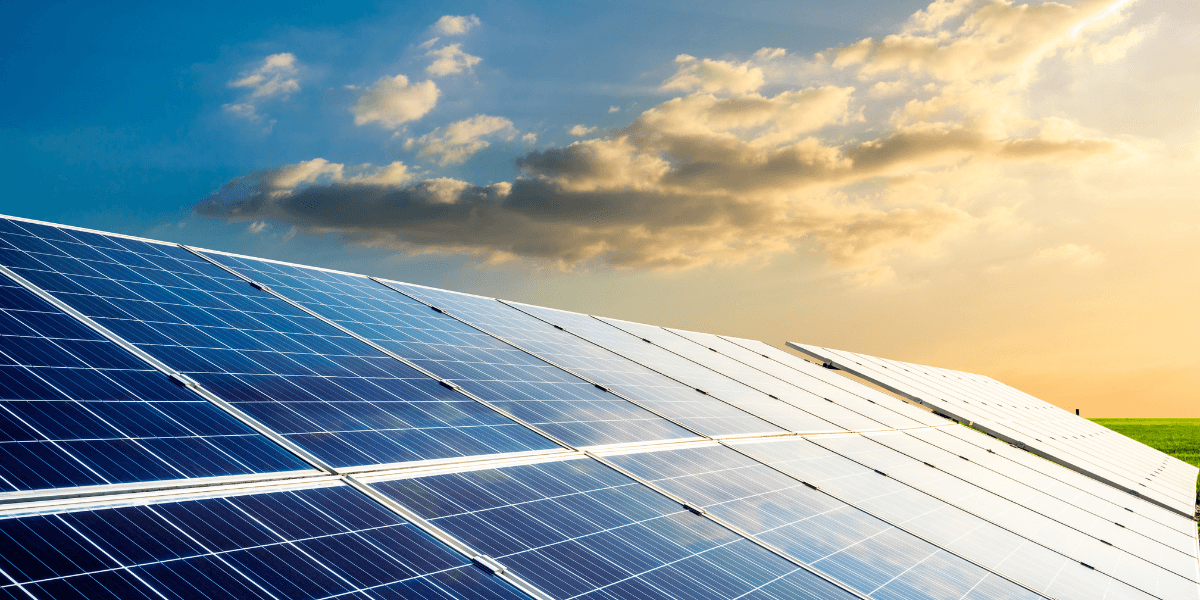
As renewable energy develops, alongside established technologies such as photovoltaic and wind, there is growing attention to solutions still in the process of consolidation. The FER 2 decree fits into this context, designed to support innovative renewables or those with higher generation costs, encouraging their diffusion into the national energy mix .
The 2026 auction calendar represents an important operational step, as it defines the timing and methods for accessing incentives for companies in the sector.
2026 Auctions: Timings and Available Quotas
The Ministry of the Environment and Energy Security has formalized the calendar of competitive procedures for 2026, with the start of the first auctions scheduled for June 8 .
The total contingent made available is approximately 65 MW, intended to support technologies considered strategic but still under development, including:
- zero-emission geothermal energy
- floating photovoltaic
- biogas and biomass plants
This is a limited endowment compared to the large volumes of traditional photovoltaic, but aimed at supporting sectors with high growth and innovation potential.
A mechanism to accelerate immature technologies
FER 2 was created precisely with the aim of bridging the economic gap of technologies that, despite being strategic, still have higher costs or less industrial maturity.
Through the auction system, the decree allows for the selection of the most efficient and sustainable projects, incentivizing the development of solutions that could play a key role in the future of the energy system.
This approach allows for the diversification of the renewable energy mix , reducing dependence on a few dominant technologies and increasing the resilience of the system.
New design scenarios for the energy sector
The launch of the FER 2 auctions introduces a new dimension to the renewable energy landscape: attention is no longer focused solely on the quantity of energy produced, but also on the quality and variety of available technologies.
For the HVAC and energy sectors, this translates into a more complex environment, where energy sources will no longer be homogeneous but increasingly diversified. Consequently, system design will also have to adapt to this complexity, taking into account different production characteristics, variable sources, and new integration approaches.
More than just an opportunity, this is a shift in perspective: the ability to manage heterogeneous energy systems will become a distinctive element for designers and operators in the supply chain.
Related Focus
FAQ
The FER 2 mechanism is geared toward the development of innovative renewables (advanced biogas, geothermal energy, solar thermal energy), with significant impacts on industry and integrated energy networks. For the HVAC/R sector, this translates into opportunities for integration with heating and cooling systems, especially in applications where programmable renewable energy or heat recovery can be exploited. Design must therefore consider the interaction between these sources and air conditioning systems.
The main critical issues concern the complexity of authorizations, project definition, and the economic sustainability of the interventions. From a technical standpoint, it is necessary to ensure reliable performance and production continuity, especially for less mature or more complex technologies to integrate. Furthermore, planning must take into account implementation timelines and the ability to meet tender requirements, avoiding delays that could compromise access to incentives.
The 2026 FER 2 auction schedule favors the development of hybrid solutions and integrated energy systems, in which HVAC, innovative renewables, and storage work synergistically. This opens up opportunities for designers and companies to build complex systems, with greater attention to intelligent energy management and operational continuity. An advanced design approach, geared toward maximizing overall efficiency and leveraging incentivized renewable sources, becomes crucial.
