



Geothermal energy and simplifications: when regulations attempt to unlock an underutilized technology.
MASE simplifies the installation of geothermal systems: less bureaucracy to promote a technology that is still not widely used.
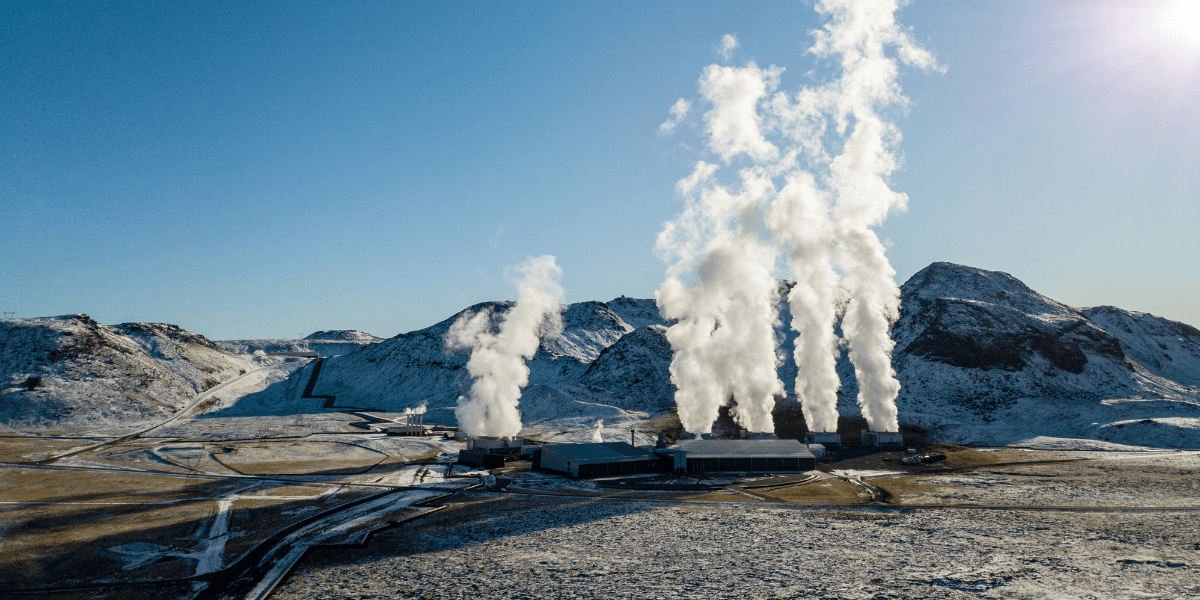
Low-enthalpy geothermal energy is back at the centre of the Italian energy debate , but this time not because of new technologies, but rather because of a regulatory intervention aimed at removing one of the historical obstacles to its diffusion: the complexity of authorisations .
With the new decree of the Ministry of the Environment and Energy Security, the objective is clear: to make the installation of geothermal systems serving buildings and businesses simpler and faster , promoting a technology that, although efficient and consolidated, is still not very widespread in the national panorama.
Simplify to spread: the decree's change of pace
The measure addresses one of the most critical elements for the development of geothermal energy: regulatory fragmentation and the difficulty of classifying plants in different regional contexts .
The introduction of more uniform rules and simplified authorization processes represents a crucial step towards providing certainty to operators and accelerating implementation times. The decree updates the existing framework to align it with the new administrative regimes for renewable energy sources, reducing bureaucratic burdens and encouraging greater deployment of plants.
This is an intervention that does not introduce new technologies, but creates the conditions for those already available to be effectively used.
Free activity and PAS: what changes in practice?
One of the most relevant aspects concerns the redefinition of the thresholds that distinguish interventions that can be carried out in free activity from those subject to the Simplified Enabling Procedure ( PAS ).
In particular:
- small-scale systems (up to 50 kW) can be built without authorisation , under a free activity regime
- systems up to 500 kW fall within the PAS , with simplified procedures
- The depth limits and characteristics of geothermal probes are clarified
This distinction significantly broadens the scope of systems that can be built with streamlined procedures, making geothermal energy more accessible for both residential and production applications.
Closed-loop systems: a ready but under-exploited technology
The decree focuses on closed-loop systems , which use the subsoil as a heat exchanger without drawing fluids. This solution is particularly suitable for heating and cooling buildings, offering advantages in terms of efficiency, continuity, and reduced emissions.
Despite these characteristics, the spread of geothermal energy in Italy has so far remained limited, partly due to complex permit requirements and regulatory differences between regions. This new initiative aims to overcome these barriers, creating a clearer and more uniform framework for planners, companies, and operators.
Impacts on the HVAC industry and building design
For the HVAC industry, the simplifications introduced by the decree are an important signal. Geothermal energy can play a strategic role in decarbonizing heating consumption, especially when combined with heat pumps and intelligent energy management systems.
In this scenario, geothermal systems become an increasingly interesting solution for:
- energy-efficient buildings
- hybrid systems integrated with renewables
- industrial applications with constant thermal requirements
The possibility of accessing simpler authorization procedures could therefore accelerate the adoption of this technology also in new construction and redevelopment projects.
Beyond simplification: the challenge remains cultural and planning
The new decree represents an important step, but it alone is not enough to ensure the widespread use of geothermal energy. The real challenge remains the sector's ability to integrate this technology into a broader energy plan, where efficiency, renewables, and intelligent consumption management work hand in hand.
Regulatory simplification reduces barriers, but it will be the market, along with the technical expertise and awareness of operators, that will determine whether geothermal energy will truly emerge from its current status as a "niche" technology and become a stable component of the building energy system.
Related Focus


FAQ
Regulatory simplifications aim to encourage the adoption of low-enthalpy geothermal energy in residential, tertiary, and light industrial settings, where geothermal probes can be integrated with heat pumps for air conditioning and domestic hot water production. In these contexts, the reduction in authorization requirements makes a technology particularly suited to high-efficiency HVAC systems and buildings with constant energy needs more accessible, improving design feasibility, especially in retrofits.
Despite these simplifications, critical issues remain, including high initial costs, preliminary geological surveys, and the availability of drilling space. From a design perspective, proper soil characterization and probe sizing are essential to avoid performance losses over time. Furthermore, the complexity of integrating with existing facilities and the need for specialized expertise may limit large-scale deployment.
The new regulatory framework can accelerate the integration of geothermal energy, heat pumps, and energy management systems, favoring stable, efficient, and low-emission system solutions. For designers and installers, this opens up opportunities in the creation of hybrid systems and the design of highly energy-independent systems. Geothermal energy, thanks to its consistent performance, becomes a strategic asset for optimizing consumption, reducing peaks, and improving the energy resilience of buildings.
