



Photovoltaics in historic centers: challenges, opportunities, and strategies for a widespread energy transition.
This in-depth study analyzes how to install photovoltaic panels in historic centers while respecting architectural and landscape constraints, using technological and regulatory solutions that promote sustainability and urban quality.
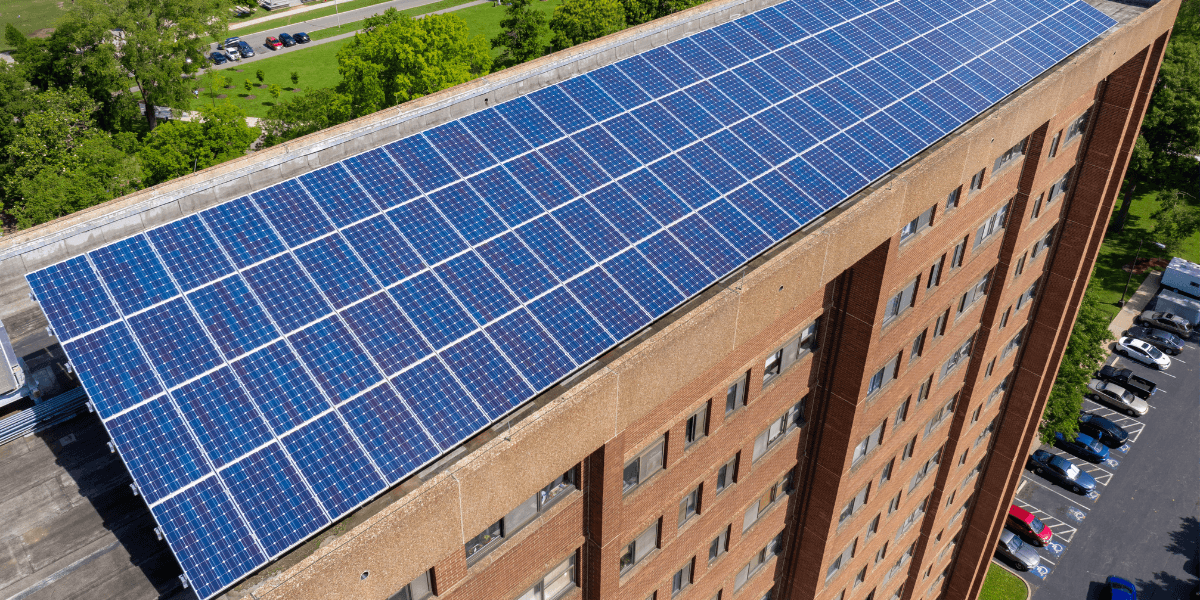
The installation of photovoltaic panels in historic centers represents one of the most complex and important issues in the urban energy transition.
Historic areas are characterized by architectural, landscape, and cultural constraints that often limit the adoption of modern technologies, despite being contexts where the potential for renewable energy production can significantly contribute to community sustainability. Between heritage protection needs and European and national climate objectives, it is possible to find a balance that allows photovoltaics to be integrated into the historic urban fabric without compromising the architectural identity .
Architectural integration and technological solutions
To overcome regulatory and visual barriers, designers and technicians are adopting architecturally integrated photovoltaic solutions that respectfully blend into the historical context. These include:
- Panels integrated into sloping or flat roofs with materials and formats adapted to the context ;
- Photovoltaic on surfaces not visible from street level , for example on internal slopes or roofs hidden by architectural elements;
- Customized aesthetic solutions , such as modules with finishes that harmonize with traditional colors and materials.
These strategies allow us to reconcile the valorization of cultural heritage with the objectives of renewable energy production, maintaining a balance between technological innovation and respect for the urban landscape.
Energy, economic and community benefits
The integration of photovoltaic systems in historic centers can bring tangible benefits on multiple levels. From an energy perspective, it reduces grid dependence and increases the share of clean energy consumed locally; from an economic perspective , it helps reduce energy bills for homes, businesses, and public buildings; finally, from a social perspective , distributed energy production strengthens the sense of community and promotes sustainable behavior.
In many cases, the energy generated can also be used to power electric mobility systems, charging stations, and public lighting systems, helping make historic centers more livable and resilient.
Regulations, incentives and prospects
Regulatory frameworks are evolving: clear rules are needed to facilitate the installation of photovoltaic systems in protected areas, simplifying authorization processes and providing guidelines for landscape and architectural assessments.
Incentive tools, such as tax incentives, public funding, and energy trading mechanisms, can make investments more attractive, even in historic buildings owned by private individuals or condominiums. An integrated policy —one that combines cultural values and decarbonization objectives—can accelerate the adoption of renewable technologies even in the most vulnerable urban centers, bringing lasting environmental and social benefits.
Related Focus
FAQ
Installing photovoltaic systems in Italy's historic centers increases renewable energy production and reduces dependence on fossil fuels, but it presents architectural, landscape, and regulatory constraints. The challenge is integrating the panels without altering the cultural heritage, while the opportunity lies in promoting a widespread and sustainable energy transition, compatible with historical and urban contexts.
Use of transparent modules, roof-integrated panels, secondary façade systems, discrete inverters and storage, and design shared with superintendencies and local authorities. The choice of materials, inclinations, and positioning must ensure energy efficiency without visual impact, while respecting landscape and regulatory constraints.
Increased self-consumption, reduced grid consumption peaks, savings on electricity costs, and reduced CO₂ emissions. The combination with heat pumps, storage systems, and intelligent control allows for optimized production and consumption even in listed buildings, improving sustainability and urban resilience.
