Hybrid system terminals: trend or substance?
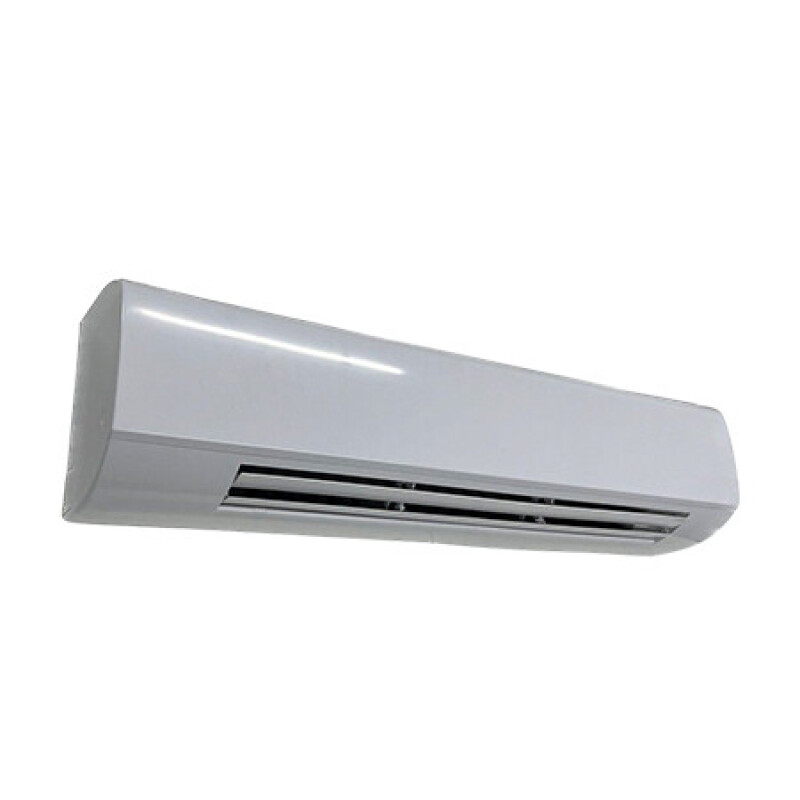
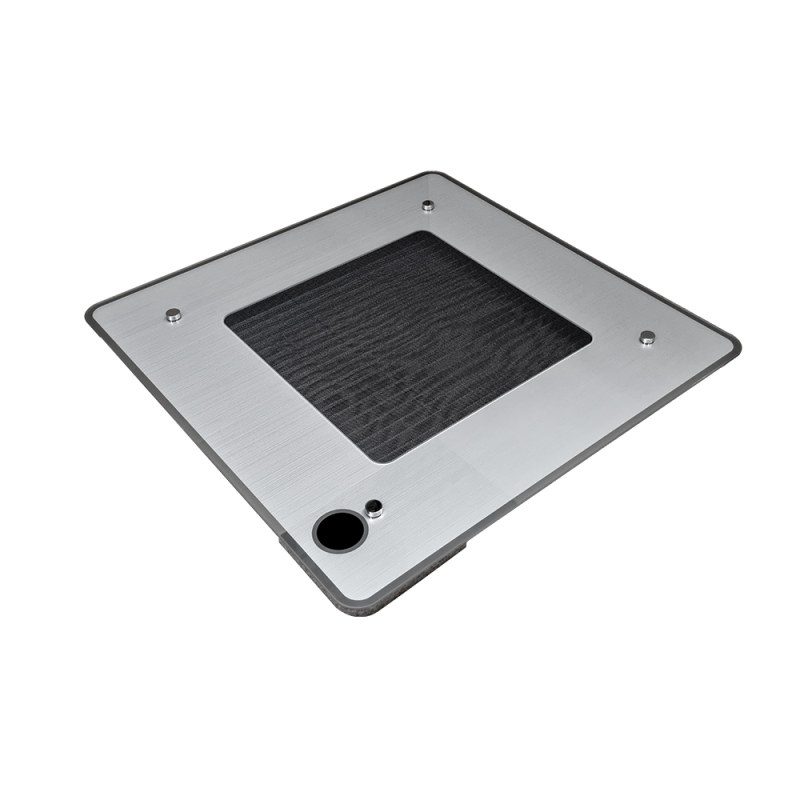
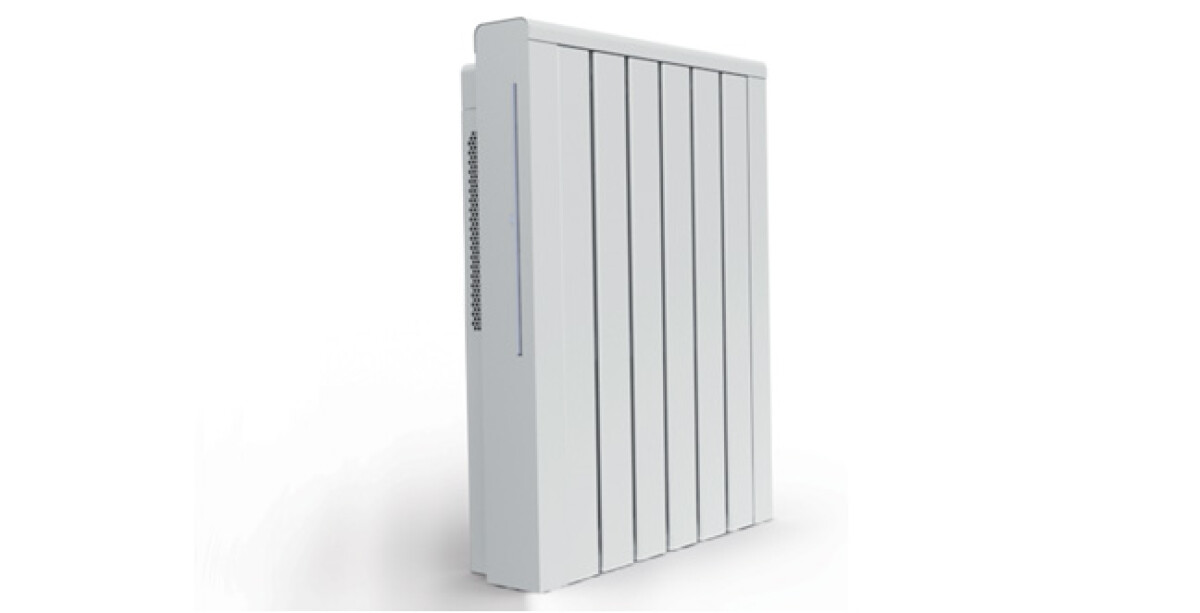
The new hybrid terminals by Aerfor combine the advantages of a radiator and a fan coil in a single unit, ensuring both comfort and energy savings.
The term "hybrid" is often used to describe machines that perform multiple functions, which until a few years ago were considered separate systems. For example, heat pumps that also produce domestic hot water, heat recovery units that can also provide heating, and fan coils that can function as radiators.
Because of this widespread usage, "hybrid" runs the risk of becoming overused and misleading, much like calling a mix of rumba and pop music "fusion." At Aerfor, a Padua-based company specializing in innovative climate control solutions, "hybrid" refers to next-generation system terminals, meaning machines that can:
- Heat like a radiator, at zero dBA
- Ventilate like a fan
- Cool like a fan coil
- Control humidity like a dehumidifier
It is not just a passing trend, even though KONRAD’s design is attractive and adaptable to different tastes, but rather a practical and efficient solution, summarized in a few key points.
What is the main advantage of a hybrid terminal compared to traditional radiators and fan coils?
The primary benefit is energy savings.
The heating system of a hybrid terminal remains efficient even at low water temperatures, such as those typical of heat pumps or condensing boilers. For example, Konrad by Aerfor can be set to heat with water at just 26°C. This means that the heat pump can operate efficiently even in subzero temperatures, significantly reducing heat loss due to dispersion.
Comfort.
A true hybrid terminal operates at night like a radiator, meaning silent operation with zero noise emissions, ensuring undisturbed sleep for the occupants.
Where can a hybrid terminal be used?
There are no restrictions on where hybrid terminals can be installed: residential buildings, hotels, commercial centers, and offices. However, a better question would be: "Where is a hybrid terminal most beneficial?" The answer is: "In renovations and new constructions designed to meet energy-saving regulations," such as those required to qualify for Ecobonus 65% incentives.
The range of these energy-saving techniques is quite broad, from basic renovations with thermal insulation ("cappotto") to the construction of passive houses. Konrad is an excellent partner in any system designed to comply with these regulations.
Can it be integrated into a radiant heating system?
Yes. In large spaces, the heat distribution of a radiant system is unmatched. However, in smaller rooms, the lack of sufficient surface area may prevent the system from meeting the required heating demand. In these cases, Konrad serves as an excellent complement, while also offering summer cooling, a feature that many hesitate to implement in radiant systems.
There are also specific cases where Konrad is more suitable than other products, and this decision should be made by a technical consultant. For example, what about renovations where the floor level cannot be raised? Or the sleeping area of a home? These are ideal applications for Konrad, as it is silent and quickly adapts to comfort needs. Setting the desired temperature is quick and easy.
Other hybrid terminals
There are few hybrid terminals on the market. Among them, a ranking could be made based on energy efficiency, response time in reaching the set temperature, heat output capacity, and so on. In each of these aspects, Konrad ranks at the top of its category.
For more information, check out this short video (2 minutes).
Aerfor Srl