



Energy Security: Renewables, Gas, and Data Centers in the Future of the Energy System
Renewables, gas, and new energy consumption related to data centers: the future of Italian energy security depends on a more balanced mix.
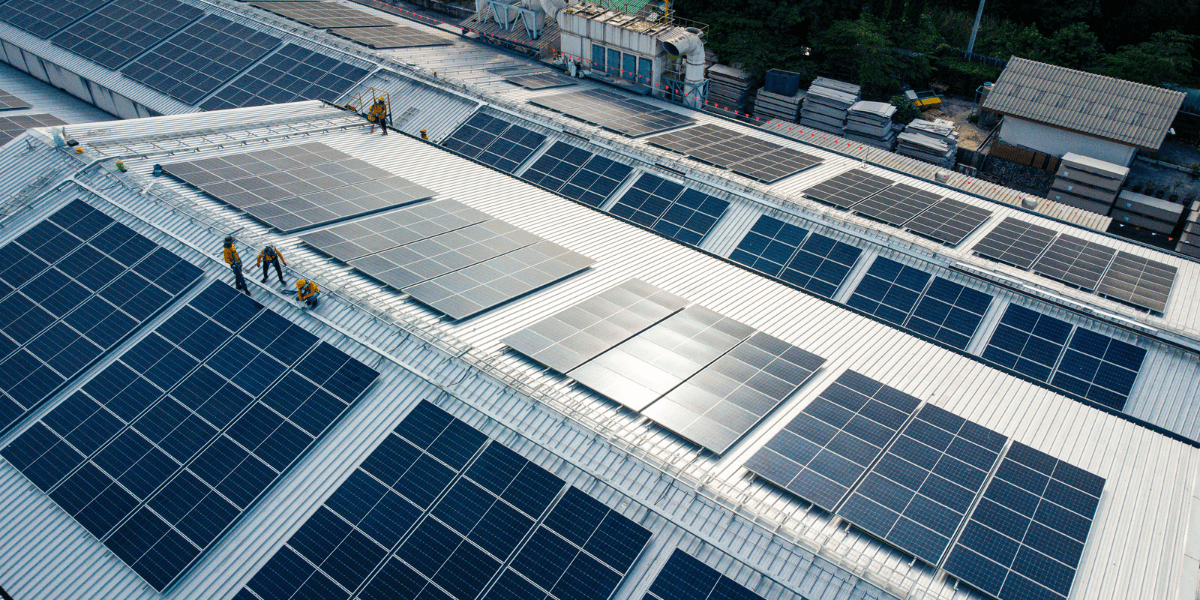
Energy security has returned to the forefront of European and national debate , especially in light of geopolitical tensions and growing energy demand. During the KEY 2026 event, Minister of the Environment and Energy Security Gilberto Pichetto Fratin highlighted how the energy transition requires a balance between the development of renewable sources, gas management, and new energy needs related to digitalization, such as those of data centers.
For the Italian energy system, the challenge is to ensure stable and competitive supplies while accelerating the path to decarbonization.
Renewables increasingly strategic for energy security
According to the minister, accelerating the use of renewable sources is a priority to meet growing energy demand and reduce dependence on imports . Italy, in fact, produces only a limited portion of its energy domestically—primarily from hydroelectric power—while a significant portion is imported in the form of gas or electricity from abroad.
In this context, the development of technologies such as photovoltaic and wind power is considered essential to strengthening the country's energy autonomy and supporting the decarbonization process.
Growing energy demand: the weight of industry and data centers
One of the most significant elements that emerged from the comparison concerns the evolution of energy demand. Italy currently consumes just over 300 TWh of electricity per year, but estimates indicate that in the next 15-20 years, demand could reach approximately 500 TWh annually.
Several factors will contribute to this growth:
- digitalization and diffusion of artificial intelligence
- data center development, increasingly energy-intensive infrastructures
- electrification of industrial and civil consumption
These changes require energy planning that ensures adequate production capacity and more resilient infrastructure.
The role of gas in the transition energy mix
Despite the push toward renewables, gas will continue to play a role in the energy system in the medium term. In the context of the energy transition, gas is considered a backup source to ensure stability of the electricity system, especially during the development phases of renewable technologies and storage systems.
The challenge for the European energy system will therefore be to find a balance between the development of renewables, security of supply, and economic competitiveness, in a context where energy demand is set to grow.
Related Focus

FAQ
Increasing production from renewable sources reduces dependence on fossil fuel imports and strengthens European countries' energy autonomy. At the same time, developing these technologies represents one of the key tools for achieving climate goals and ensuring a more resilient energy system.
In the short and medium term, natural gas continues to play a supporting role in the energy transition. Thanks to its flexibility, it can contribute to the stability of the electricity grid and offset the variability of renewable sources, pending the greater diffusion of storage systems and other energy management technologies.
The growth of digitalization and cloud-based services and artificial intelligence is rapidly increasing data center energy demand. This trend requires new energy planning strategies, with greater use of renewable sources, more robust grid infrastructure, and advanced energy efficiency and facility cooling solutions.
