World Energy Saving Day: Efficiency as a lever for the transition
World Energy Saving Day highlights the importance of energy efficiency in plants and processes, which are crucial to the climate transition.
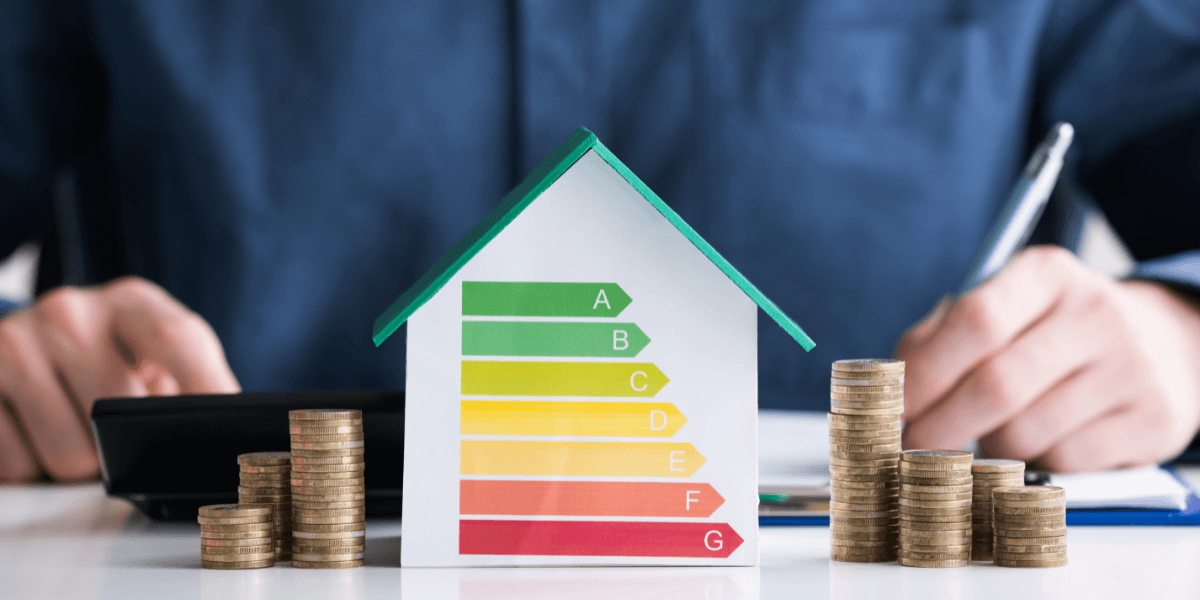
February 18th is World Energy Saving Day , an event that draws attention to one of the most strategic components of the energy transition : the efficient use of energy. At a time when climate sustainability, security of supply, and the containment of operating costs are key issues for businesses, institutions, and citizens, energy saving plays a key role not only as an awareness-raising tool, but as a concrete practice to be integrated into the design and management processes of buildings, systems, and infrastructure.
The meaning of energy saving for the HVAC sector
In the world of energy and systems, energy saving isn't an abstract concept, but an operational priority. Reducing consumption doesn't just mean lowering bills, but also:
- increase the overall efficiency of buildings and systems , reducing the environmental impact;
- improve load management , with HVAC technologies designed to optimize operating cycles in all climatic conditions;
- promote the penetration of renewable sources , integrating distributed generation and storage systems to maximize self-consumption and reduce dependence on fossil fuels.
In this context, solutions such as high-efficiency heat pumps, advanced control systems, variable frequency drives, building automation, and intelligent management strategies become indispensable tools for translating energy savings into concrete benefits for businesses and end users.
Opportunities and challenges for the Italian energy transition
World Energy Saving Day also offers an opportunity to reflect on Italy's path towards greater sustainability .
Our country, despite having made progress in terms of efficiency and renewables, still faces operational and regulatory challenges to make energy saving a structural element of industrial and urban policies. These include the need to:
- simplify and make incentive tools more effective , with a systemic approach that promotes integrated efficiency and renewable energy interventions;
- promote specialized technical training , to equip designers and installers with the skills necessary to create systems with high real-world performance;
- disseminate daily energy management models , involving users, facility managers and operators in an approach oriented towards continuous monitoring and improvement of consumption.
Efficiency and energy savings are not static objectives, but dynamic processes that require strategy, technology, and operational culture. For the HVAC industry and for those who design and manage systems, integrating solutions that reduce consumption and increase performance quality is an integral part of competitiveness and sustainability.
Related Focus