



Energy in Europe: Renewables on the Rise in the Energy Mix
Renewable sources continue to grow in the European energy mix: Eurostat data show the increasingly central role of clean energy.
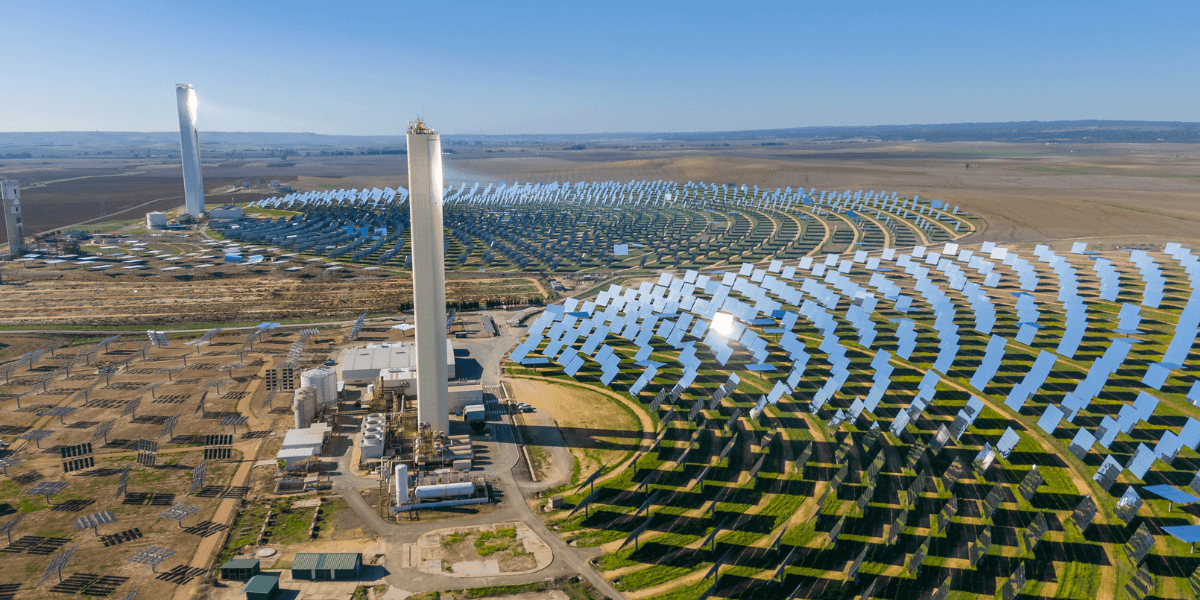
Europe's energy transition continues to make significant progress, with renewable sources increasingly playing a key role in the energy mix . The latest data published by Eurostat show how the European Union is strengthening its path towards more sustainable energy systems , driven by climate policies, technological innovation, and the growing diffusion of renewable solutions.
For the HVAC industry and energy professionals, the evolution of the European energy mix represents an important indicator for understanding future trends in energy demand and efficiency technologies.
The growth of renewables in the European energy system
According to Eurostat data, in 2024, renewable sources covered 25.2% of gross final energy consumption in the European Union , up from 24.6% recorded in 2023.
The increasing share of renewable energy is the result of steady growth in recent years, driven by the expansion of technologies such as photovoltaic, wind, and biomass. At the same time, Europe's energy transition continues to focus on a progressive abandonment of fossil fuels and the deployment of more sustainable energy solutions .
The European Union has set a target of 42.5% renewable energy by 2030 , a goal that will require significant acceleration in the development of new plants and the diffusion of clean energy technologies.
Electricity increasingly "green" in the European mix
The evolution is particularly evident in the electricity sector . In 2024, approximately 47.5% of electricity consumed in the EU was produced from renewable sources, a share almost triple the 15.9% recorded in 2004.
Among the technologies that are driving this growth, the following stand out in particular:
- wind energy , one of the main renewable sources in the European mix
- photovoltaic , rapidly expanding thanks to the reduction in technological costs
- hydroelectric and biomass , which continue to contribute significantly to energy production
This transformation of the European energy system does not only concern electricity production, but also involves strategic sectors such as heating, cooling, and mobility, where renewables are set to play an increasingly central role.
The challenges of the energy transition
Despite the progress made, the path to a fully decarbonized energy system still presents significant challenges. The growth of renewables requires more flexible energy infrastructure, more efficient electricity grids, and storage systems capable of managing the variability of renewable sources.
For the HVAC industry and the entire energy supply chain, the evolution of the European energy mix is therefore a strategic element to monitor, especially in relation to the growing integration of renewables, energy efficiency, and sustainable air conditioning technologies.
Related Focus

FAQ
In recent years, the share of energy from renewable sources in Europe has grown significantly. In 2024, nearly half of the electricity generated in the European Union will come from renewable sources, with a share of around 47-48% of the electricity mix, steadily increasing compared to previous years.
The expansion of Europe's renewable energy mix is driven primarily by photovoltaic and wind power, which have seen the greatest increases in installed capacity and generation in recent years. In recent periods, these two technologies have collectively generated more electricity than fossil fuels in the European Union.
Increasing the share of renewable energy requires a more flexible energy system, with investments in electricity grids, storage systems, and demand-side management. These infrastructures are essential for integrating variable sources like wind and solar and ensuring the stability and security of energy supply.
