



Biogas and biomethane: the role of agriculture in Italy's new energy strategy
Biogas and biomethane strengthen the role of agriculture in the energy transition, offering programmable and system-integrated renewable energy.
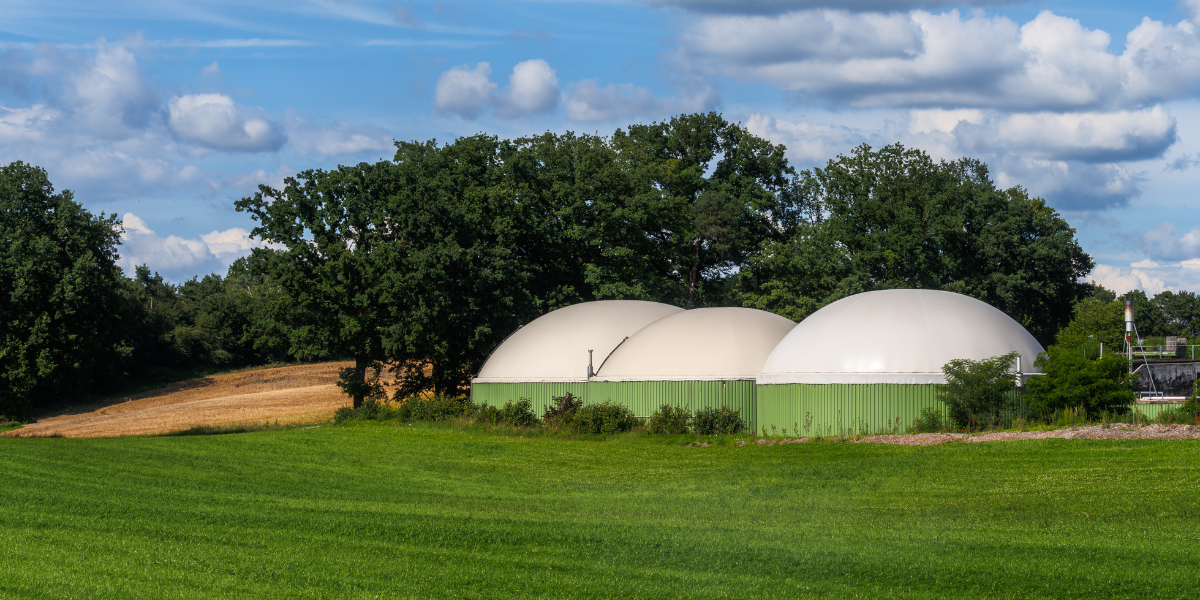
In the energy transition process, the contribution of bioenergy is taking on an increasingly important role, especially in a context that requires sustainable but also programmable solutions .
Biogas and biomethane fit into this scenario as mature technologies, capable of complementing non-programmable renewable sources and contributing to the stability of the energy system.
The discussion that emerged during Biogas Italy 2026 highlighted how the agricultural sector can become a key player in this evolution, integrating energy production, resource management, and environmental sustainability.
From agricultural production to renewable energy
Biomethane represents a concrete example of integration between the agricultural and energy supply chains . Through anaerobic digestion, agro-industrial waste and byproducts are transformed into renewable energy, helping reduce emissions and enhancing existing resources.
This model allows for the development of a distributed energy system, where production is closely tied to local specificities and the availability of biomass. At the same time, the possibility of feeding biomethane into the existing gas grid makes it a particularly attractive solution, capable of leveraging existing infrastructure and promoting faster deployment.
In this sense, biomethane represents not only a renewable source, but a lever for building a more integrated and resilient energy system.
Growth of bioenergy: implications for plants, buildings and the energy system
The development of biogas and biomethane introduces new dynamics into the energy system , with impacts that also impact the world of plants and buildings. Unlike other renewable sources, these technologies offer continuous and programmable production , contributing to grid balancing and energy demand management.
In this context, their contribution translates into:
- greater stability of the energy system , thanks to the continuity of production
- integration with existing gas infrastructure
- waste valorization in a circular economy perspective
- support for emissions reduction in the energy sector
For the HVAC sector, this means being able to count on a renewable energy source capable of complementing electrification, especially in contexts where it is necessary to maintain solutions based on gaseous fuels.
Towards a more integrated energy system
The role of biomethane in the energy transition is part of an increasingly integrated model, in which various renewable sources coexist and complement each other. Alongside photovoltaic and wind power, bioenergy can contribute to a more balanced system , reducing dependence on imports and improving energy security.
For designers and industry professionals, this represents a significant evolution: energy management will increasingly rely on technology integration, system flexibility, and the ability to optimize consumption. In this scenario, biogas and biomethane represent a concrete and readily available component to support the transformation of the Italian energy system.
Related Focus
FAQ
Agriculture is a key player in the supply chain, providing the biomass and organic waste needed for biogas production through anaerobic digestion. This allows farms to integrate energy production with their primary activities, contributing to the energy transition and income diversification.
Biomethane, once purified, is fully comparable to natural gas and can be fed into the existing grid and used for heating, industry, and transportation. This makes it a strategic fuel for integrating renewables and supporting the decarbonization of sectors that are difficult to electrify.
The production of biogas and biomethane allows for the valorization of agricultural and livestock waste, reducing greenhouse gas emissions, and promoting circular economy models. Furthermore, the digestate produced can be reused as fertilizer, improving the overall sustainability of farms.
