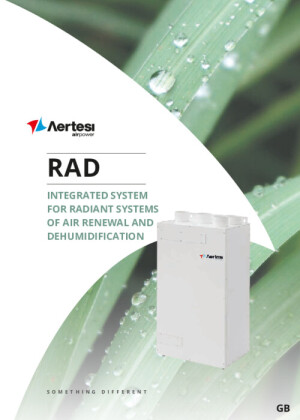
Aertesi RAD: air renewal, dehumidification, and integration for radiant systems in a single unit
Aertesi's RAD integrates air renewal, heat recovery, dehumidification and support for radiant systems in a single compact unit for residential comfort.
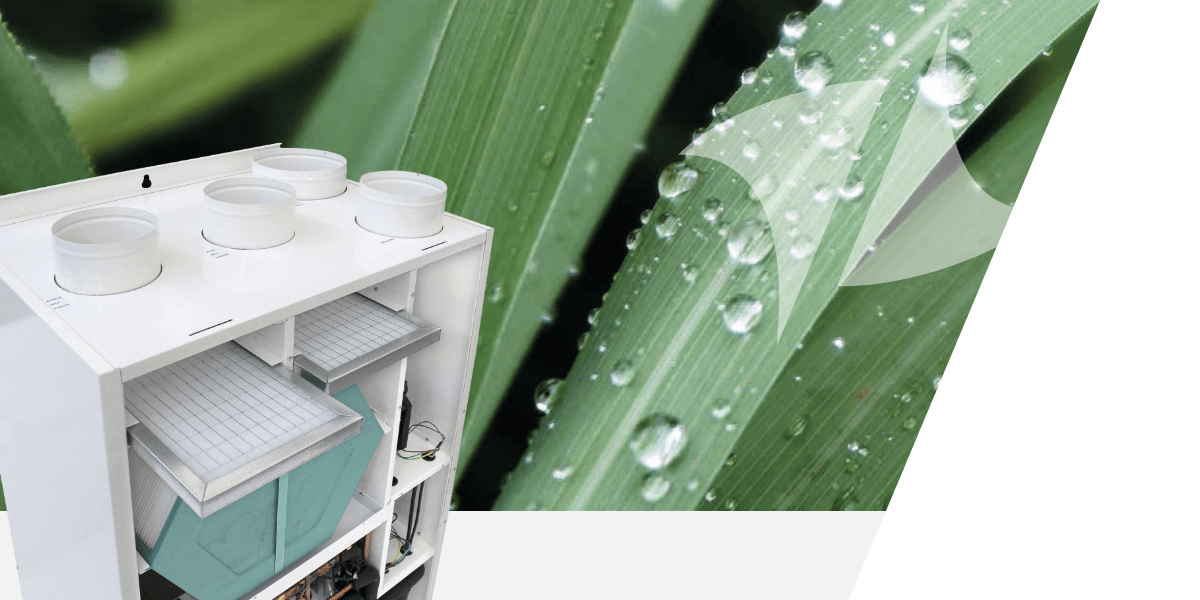
In modern residential buildings, especially those with radiant heating and cooling systems, humidity control and indoor air quality are increasingly crucial to ensuring comfort, efficiency, and healthiness. A radiant system, in fact, ensures uniform temperature distribution, but requires careful humidity management to prevent condensation during summer operation.
This is where Aertesi's RAD comes in. It's an integrated system designed to work in conjunction with radiant systems, combining air renewal, heat recovery, filtration, dehumidification, and thermal integration in a single unit. Designed for residential applications, it can be used to support heating and cooling systems, helping improve indoor comfort year-round.
A compact system for air management in radiant systems
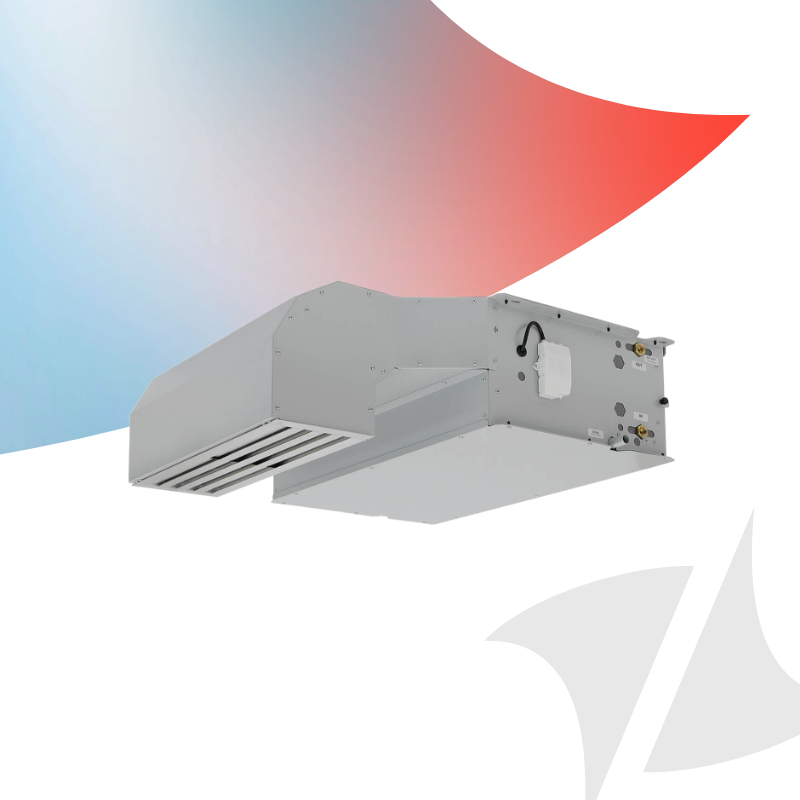
RAD is a heat recovery ventilation unit designed to integrate with radiant systems, where air management plays a key role in both summer and winter. The heart of the system is a heat exchanger that enables efficient heat recovery, while the direct expansion refrigerant circuit, combined with the countercurrent cross-flow heat recovery unit, allows for rapid cooling and dehumidification of the environment.
The system's unique feature is its ability to combine multiple functions in a single compact solution , reducing the need for separate air treatment devices. RAD integrates air renewal, filtration, and dehumidification using a single air distribution system. This approach makes it particularly suitable for new construction, renovations, and homes where available technical space is limited.
For HVAC professionals, the benefit is twofold: on the one hand, it simplifies system design, on the other, it offers the end user a solution capable of continuously contributing to home well-being, with coordinated management of temperature, humidity, and air exchange.
Air renewal, heat recovery and isothermal dehumidification
One of the most important aspects of RAD is the ability to ensure air renewal with high-efficiency heat recovery, helping to reduce energy losses related to ventilation. The technical data sheet indicates a nominal winter efficiency of the recovery unit of up to 93% for the RAD 80 size and 91% for the RAD 160, with summer values of 89% and 85%, respectively.
This feature addresses an increasingly common need in efficient buildings: ensuring fresh air within spaces without compromising overall energy performance. Air renewal occurs by recovering heat from the environment, in line with current regulations, while the use of EC fans helps reduce energy consumption.
In summer, RAD also provides isothermal dehumidification , which is essential for the proper functioning of radiant cooling systems. Humidity control allows for more stable and comfortable indoor conditions, reducing the risk of condensation on radiant surfaces and improving the perception of comfort without excessively lowering the room temperature.
The main integrated functions include:
- air renewal with high efficiency heat recovery , greater than 90%;
- winter and summer thermal integration ;
- summer isothermal dehumidification ;
- management of the mixing valve and the main components of the radiant system;
- possibility of operation via clean contacts from an external control unit or with autonomous regulation;
- management of the radiant system with climate curve based on the external temperature .
Flexible configurations and performance calibrated for every system requirement
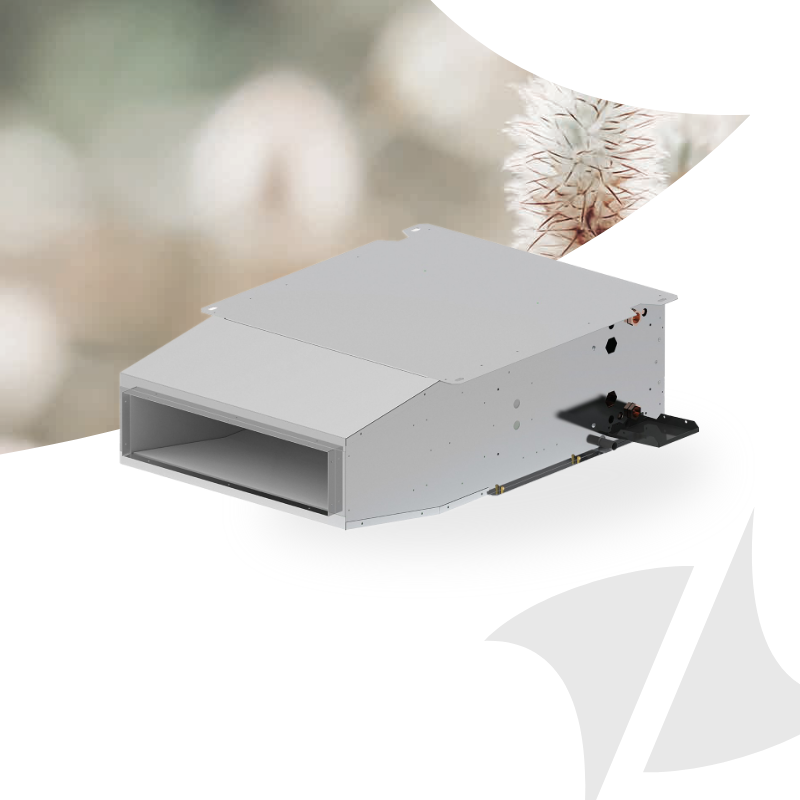
The RAD range is available in various configurations, designed to meet different design needs. The available versions are: W (water-cooled) without compressor , D (isothermal) water-cooled with compressor, and I (isothermal) water-cooled with compressor integration . These are complemented by two installation options, H (horizontal) and V (vertical), which allow for greater flexibility when installing the unit in the building.
From a performance point of view, the technical documentation indicates dehumidification capacities between 26.5 and 84 l/24h , depending on the size and configuration, with external air flow rates from 130 to 260 m³/h and renewal plus recirculation flow rates of up to 520 m³/h.
The RAD 80 and RAD 160 sizes therefore cover a wide range of residential applications, with heating and cooling capacity values varying according to the version. The option of choosing between horizontal and vertical installation is an additional convenience, especially in homes where technical space is limited or not always suitable for installing dedicated air handling units.
Comfort, healthiness and efficiency all year round
RAD is designed to continuously improve living comfort. During the summer, it supports the operation of the radiant system through dehumidification and possible thermal integration; in the winter, it contributes to air renewal with heat recovery, limiting heat loss and promoting better indoor air quality.
For designers and installers, the system's value lies in its ability to coordinate multiple system functions in a single unit , simplifying radiant system management and more effective control of thermohygrometric conditions. RAD can be used in both new construction and renovation projects, helping to make environments more comfortable, healthier, and energy-efficient.
In a market where indoor comfort is increasingly tied to air quality, reduced consumption, and proper system integration, Aertesi's RAD represents a comprehensive solution for air management in residential radiant systems.
Aertesi Srl

Available documents