
Photovoltaic systems on waterways: the results of the Californian project and the open questions
The Californian canal photovoltaic project aims to reduce evaporation and produce clean energy, but initial results also highlight technical and economic challenges.
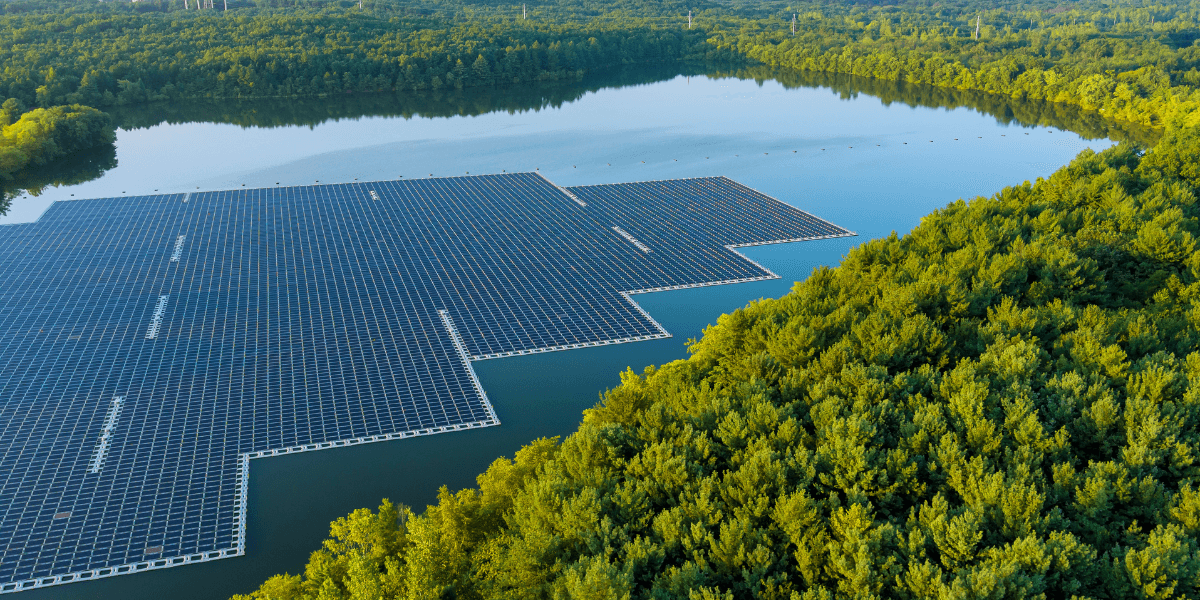
Installing photovoltaic modules above irrigation canals: an idea that promises to produce clean energy while simultaneously reducing water evaporation. This is the goal of a project launched in California, which aims to combine two crucial needs—energy transition and efficient water resource management—in a single infrastructure. However, initial results show that, alongside potential benefits, there are also technical and economic limitations that call into question the model's true sustainability on a large scale.
The Californian experiment and the expected benefits
The project involves installing solar panels along 8 km of canals in the Central Valley, an area characterized by strong solar radiation and increasing water scarcity. The goal is to reduce evaporation by shading the canals and improve module efficiency through the natural cooling provided by the water. According to initial estimates, integrating photovoltaic systems into water infrastructure could save up to 63 billion liters of water annually and generate energy to power thousands of homes, avoiding the use of agricultural land.
The technical and economic criticalities
However, the expected benefits must be weighed against the operational challenges. The construction of corrosion-resistant structures, access for canal maintenance, and logistical complexity significantly increase costs compared to a traditional ground-mounted PV system. Furthermore, canals do not always offer ideal orientation and inclination to maximize energy yield. Vegetation and sediment management, combined with the need to protect waterways, also make the project technically challenging.
A model yet to be evaluated
The California project represents a highly interesting experiment, but preliminary results show that the balance between benefits and costs is not yet clear. Ongoing studies will clarify whether water savings and increased module efficiency can offset the initial investment and management complexity. The idea of exploiting water surfaces for energy production remains a concrete example of innovation in the field of renewables and the integrated use of natural resources.
Related Focus