Wind energy under attack: Trump challenges offshore projects, but courts overturn decisions
A US court overturns the government's blockade of a 704 MW offshore wind project. Trump continues his political attacks on renewables, while the threat to green jobs grows.
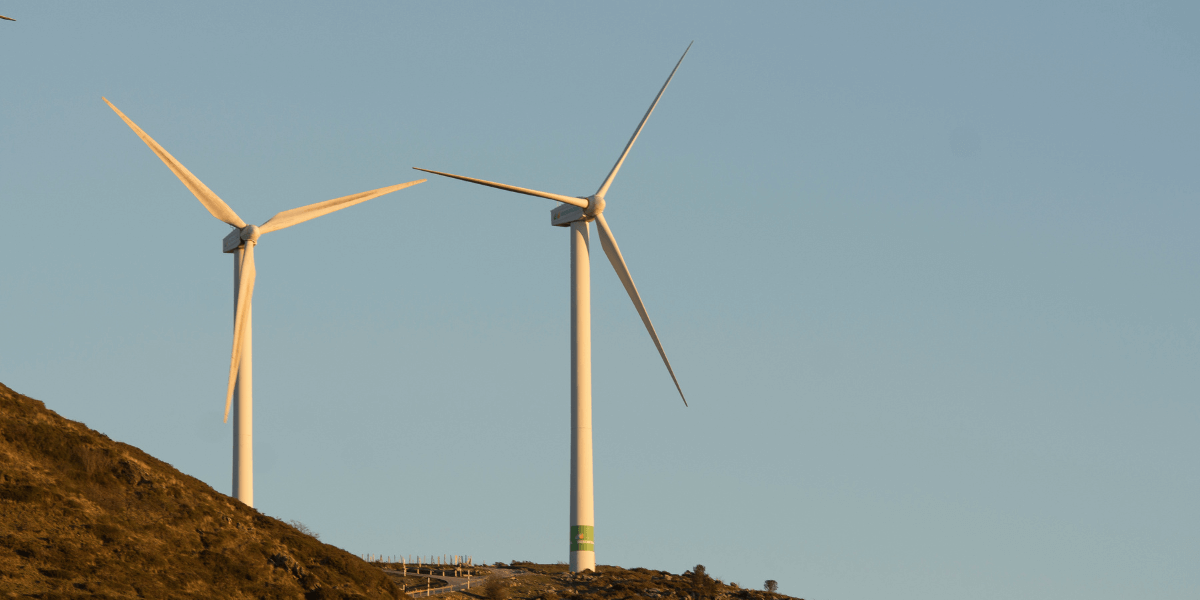
In the United States, the controversy over offshore wind power intertwines politics, jurisprudence, and major investments. The Trump administration has suspended advanced projects such as the 704 MW Revolution Wind project, accusing the turbines of having vague environmental impacts. But federal judges temporarily lifted the ban, authorizing construction to resume. Meanwhile, Trump has aggressively attacked renewables at the UN, calling them "expensive and ineffective." Meanwhile, tens of thousands of green jobs are at risk, with the sector losing momentum due to unstable policies and ongoing litigation.
The Revolution Wind case: the legal issue that marks the fate of offshore
The Revolution Wind project, a joint venture between Ørsted and the Skyborn consortium, was nearly 80% complete when the administration issued a suspension order. The complaint alleges a lack of adequate assessments, according to which the federal agency "failed to properly consider impacts on fishing, shipping, and other coastal activities." The District Court of Columbia granted a request for a preliminary injunction, ordering the resumption of operations pending clarification.
However, the lawsuit remains open, and several other offshore wind projects face similar revocations of their existing permits. Similar legal proceedings are underway in Maryland and Rhode Island, where the Department of the Interior has sought the revocation of approvals for 141-turbine farms as well.
Trump's words at the UN: a strategy against renewables
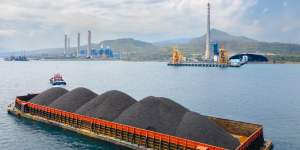
During his speech at the United Nations General Assembly, Trump attacked renewable energy, calling it "a joke" and "not powerful enough to power a country." He claimed that many plants are being built in China, while the United States continues to use coal and gas, denouncing inconsistencies in global policies.
This strong political message—more rhetorical than technical—aims to galvanize an electorate skeptical of new sources, but risks undermining investor confidence in the long term, especially in infrastructure projects requiring decades-long time horizons.
Consequences for US wind energy and opportunities for the international market
The litigation is already having tangible impacts: hundreds of millions of dollars stalled, projects stalled, and investors hesitant. The Clean Jobs of America 2025 report reports that clean energy created approximately 3.5 million jobs in the US in 2024, but recent policies could lead to a jump in jobs of up to 830,000 by 2030, with the solar sector alone projected to lose 330,000.
For the European—and Italian—market, this context offers a lesson: regulatory stability and legal certainty are essential to attracting large-scale investment. Companies in the renewables sector must monitor international legal developments, develop models resilient to political fluctuations, and leverage these dynamics to offer robust solutions and high levels of compliance.
Related Focus