



New EU solar standard approved
On March 12, the European Parliament approved the mandatory installation of solar systems on a significant portion of buildings in Europe, starting in 2026.
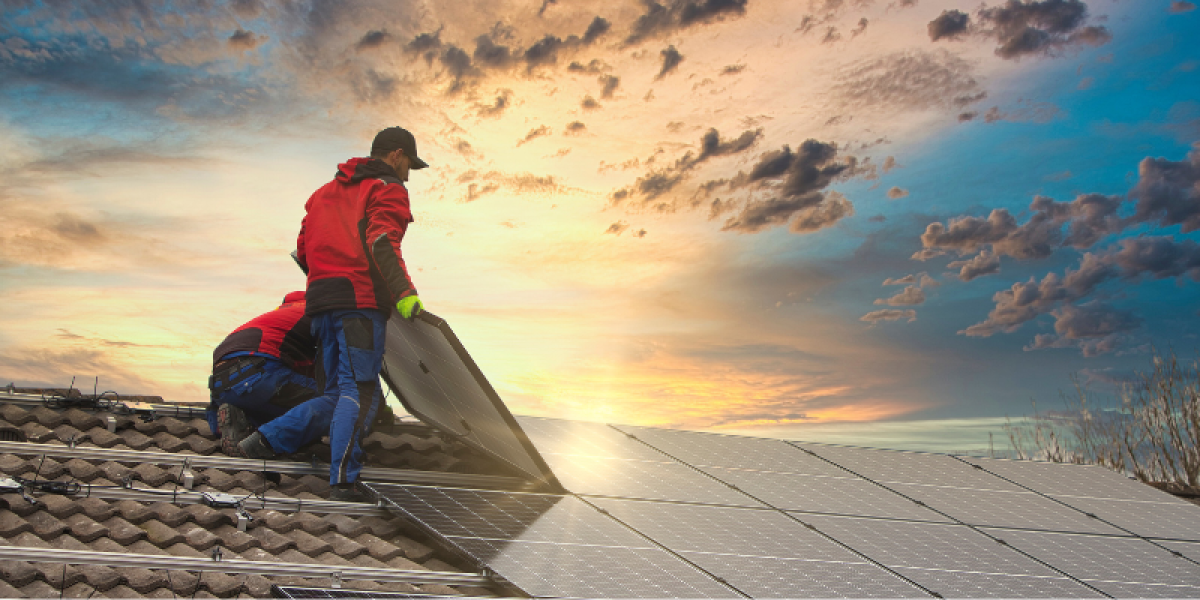
The European Parliament approved the new European Union solar standard yesterday, marking a significant step forward in the European directive on the energy performance of buildings.
This legislation aims to revolutionize the approach to energy production and sustainable consumption by mandating the integration of solar installations across a wide range of structures throughout the European bloc.
Starting in 2026, the legislative initiative requires new constructions and public buildings to be equipped with photovoltaic systems, thereby promoting the use of renewable energy directly in the living and working spaces of European citizens.
New EU Solar Standard: First Approval in December 2023
This decision, which follows an informal agreement reached in December 2023, now awaits the final formal approval by the EU ministers in an upcoming Council session before it can be officially incorporated into EU regulations.
Jan Osenberg, Senior Policy Advisor at SolarPower Europe, expressed great satisfaction with this outcome, highlighting the significance of this standard in the context of renewable energy.
He emphasized that, starting in 2026, the solar standard will mandate the installation of solar systems on a significant portion of buildings in Europe, giving citizens an active role in the energy transition and enabling smarter and more localized management of electric power. This strategy not only facilitates energy production at the point of use but also contributes to optimizing the electrical grid for more efficient energy distribution.
The next challenge will be to translate this legislative vision into tangible reality, ensuring that the directive is effectively integrated into building regulations and construction practices. It will be essential to establish clear criteria for exemptions, provide adequate support measures, and define guidelines for system design, thus ensuring feasible and fruitful implementation.
New EU Solar Standard: Mandatory Solar Installations
National authorities, together with stakeholders, will have the opportunity to draw inspiration from best practices already in place in nine European countries, including France, Belgium, the Netherlands, Switzerland, Italy, Austria, and Germany, where similar initiatives have already proven their value.
Specifically, the timetable for implementing the EU solar standard mandates the installation of solar systems on new commercial and public buildings by 2026, on commercial and public buildings undergoing significant renovations by 2027, on new residential buildings by 2029, and on existing public buildings by 2030.
This progressive scheme not only underscores the EU's commitment to a more sustainable future but also lays the groundwork for a significant transformation in how energy is produced and consumed across the continent.
Related Focus


