



Natural gas and the energy transition: what role will it continue to play in the Italian energy mix?
Natural gas continues to be considered a "bridge" resource in Italy's path towards the energy transition.
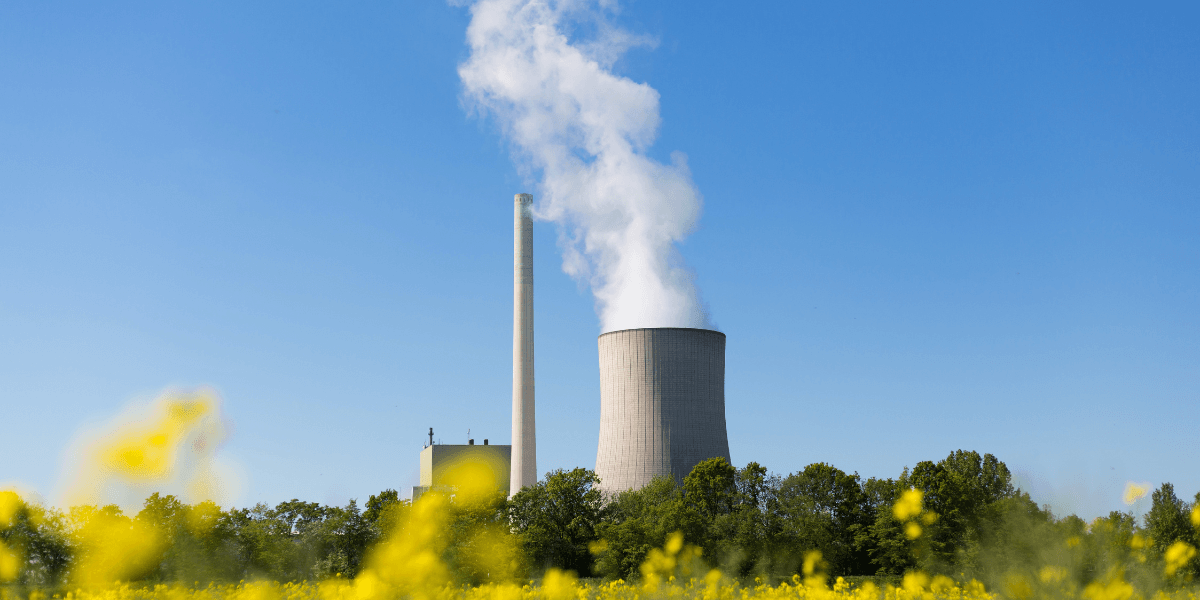
On the path to decarbonization , the role of natural gas continues to be one of the most debated issues in the energy sector. While Europe is accelerating its efforts on renewables and electrification , gas is still considered a strategic resource for ensuring supply continuity and the stability of the energy system.
It is precisely on this balance between energy security and transition that the recent discussion promoted by MASE focused, dedicated to the national potential of natural gas, the support tools and the future prospects of the sector.
Gas as a “bridge source” in the energy transition
According to the conference, natural gas will continue to play a significant role in the national energy mix, at least in the medium term. Within the National Energy Plan (PNIEC), it is still considered a "bridge" source, designed to support the growth of renewables while ensuring the flexibility and security of the energy grid.
The national objective remains a progressive reduction in the weight of gas in the energy mix, which should go from around 30% currently to 24% by 2030 .
In this scenario, the issue is not only the availability of the resource, but also the ability to manage a transition phase in which the following will coexist:
- intermittent renewable sources
- electrification of consumption
- storage systems
- existing gas infrastructure
- security of supplies
Gas is therefore interpreted as a balancing element in a still complex phase of transformation of the European energy system.
National production and new support tools
One of the issues addressed during the MASE meeting also concerned national production potential . The results of a research project launched in 2022 have allowed us to reassess Italy's natural gas resources and reserves through the integration of geological, technological, and economic expertise.
At the same time, the debate focused on regulatory tools and support mechanisms introduced in recent years, including the so-called Gas Release, designed to support supplies and the competitiveness of the national production system.
According to MASE, strengthening domestic production and greater diversification of energy sources remain strategic elements for reducing geopolitical vulnerabilities and volatility in international energy markets.
HVAC and energy: gas changes role, but remains central
For the HVAC and energy sectors, the evolving role of gas presents complex scenarios. On the one hand, the spread of heat pumps, electrification, and systems integrated with renewables is growing; on the other, gas continues to be a fundamental component for many industrial applications and for the stability of the energy system.
The real transformation, therefore, concerns how gas will be integrated into future energy models. Rather than a dominant source, gas appears destined to become a supporting resource within an increasingly electrified ecosystem geared toward energy flexibility.
For HVAC designers and operators, this means dealing with hybrid systems, intelligent consumption management, and progressive integration between different energy sources.
Related Focus



FAQ
Natural gas will maintain a significant role, especially in energy-intensive industrial sectors, in flexible thermoelectric generation, and in supporting the stability of the energy system during the growth of renewables. In HVAC/R, it will continue to be present in applications where full electrification is still complex, such as high-temperature industrial processes or existing plants that are difficult to convert. However, its use will increasingly be oriented towards transition and backup functions.
Natural gas will increasingly be considered a "bridge" fuel in the transition, useful for ensuring energy security but gradually diminished in favor of electrification and renewables. In the construction sector, this will accelerate the deployment of heat pumps and fully electric systems, while in industry, gas could be gradually replaced by direct electrification, hydrogen, and heat recovery. The speed of this evolution will depend on infrastructure, energy costs, and technological maturity.
In the medium term, the Italian energy mix will be characterized by a growing share of renewables, greater energy storage, and increasingly digitalized energy systems. Natural gas will continue to play a supporting role in grid stability, but with a progressively decreasing impact. For the HVAC/R sector, this means designing increasingly integrated, adaptive systems that are ready for the evolution toward low-emission, highly flexible energy models.
