Photovoltaic in Italy: Why is there a decline in installed capacity?
In Italy, the rate of photovoltaic installations is slowing: between market dynamics and regulatory obstacles, what are the causes and implications for the energy sector.
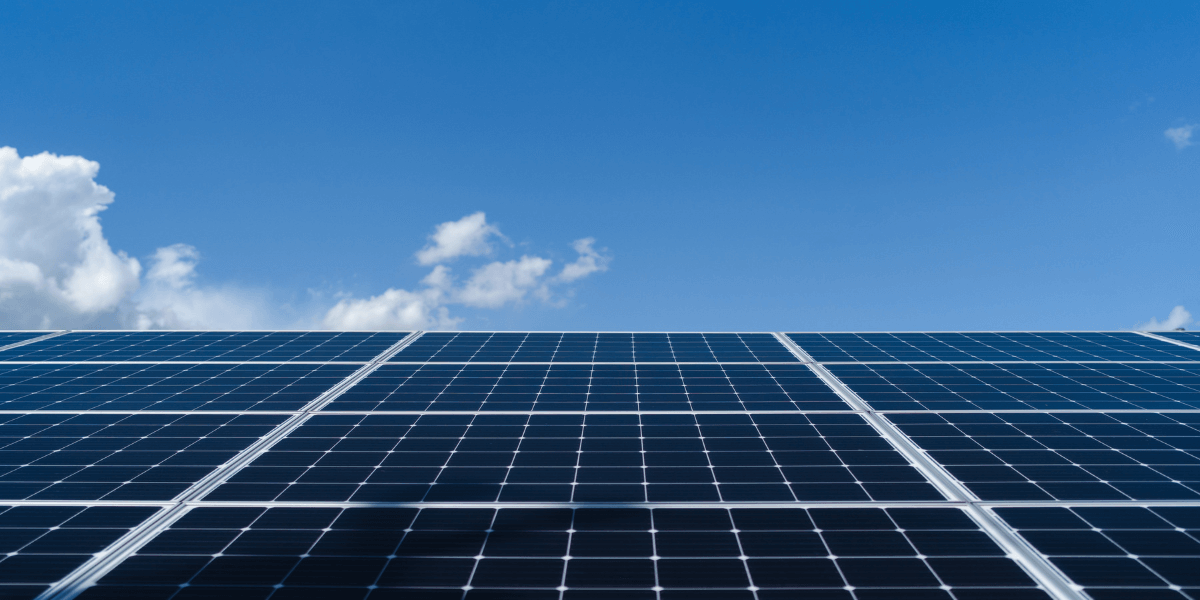
After years of robust growth, the photovoltaic sector in Italy is experiencing a slowdown in installed power .
The most recent data indicates a decline in new solar installations , despite strong demand for renewable energy. This trend does not call into question the importance of photovoltaics in the national energy transition, but it raises questions about the barriers currently holding back the development of installations, including bureaucratic constraints, market dynamics, and the regulatory environment.
Between market dynamics and real obstacles
The slowdown in the photovoltaic sector in Italy is the result of multiple factors that are influencing short-term investment decisions. On the one hand, the market has reached saturation point in some areas and segments , making it more difficult to maintain the exponential growth rates of the past. On the other, procedural challenges persist, such as longer permit times, difficulties accessing distribution networks, or limited availability of suitable sites for large-scale installations.
These factors, combined with tensions over component costs and international competition that are pushing for a review of supply chains, are impacting the development plans of photovoltaic projects in the short term.
Impacts for the energy sector and HVAC/R professionals
While this slowdown is limited, the decline in photovoltaic capacity installed in Italy also has implications for HVAC and energy efficiency. A slower rate of solar system installations implies, among other things:
- higher pressure on traditional electricity networks , with repercussions on peak loads in summer and on the energy management of buildings;
- the need to strengthen the integration between photovoltaics and storage systems , to improve self-consumption and energy resilience;
- Greater attention to the integration of distributed generation and efficiency solutions such as heat pumps, control systems, and building automation, to maximize the use of locally produced energy.
For designers, installers, and industry professionals, these elements require an increasingly integrated approach between renewable generation, load management, and HVAC technologies, with the aim of optimizing energy flows and meeting the sustainability needs of businesses and end customers.
What are the future scenarios for Italian photovoltaics?
The slowdown in photovoltaic power does not mean that the share of solar in the Italian energy mix is declining: rather, it highlights the need to refine support tools, simplify authorization procedures and promote more streamlined development models .
In the medium to long term, photovoltaics continues to be a key technology for decarbonizing the energy system, but achieving European and Italian objectives also depends on overcoming the operational and market obstacles currently slowing its deployment.
Tools such as targeted incentives, regulatory simplifications, and innovations in photovoltaic integration models with other energy systems could play a key role in boosting growth in installed capacity, with direct benefits for the overall efficiency of energy systems and buildings.
Related Focus