



EPBD IV and heat pumps: decarbonization of buildings requires a supply chain and concrete action
With EPBD IV, heat pumps take on a central role in the decarbonisation of buildings and energy retrofitting.
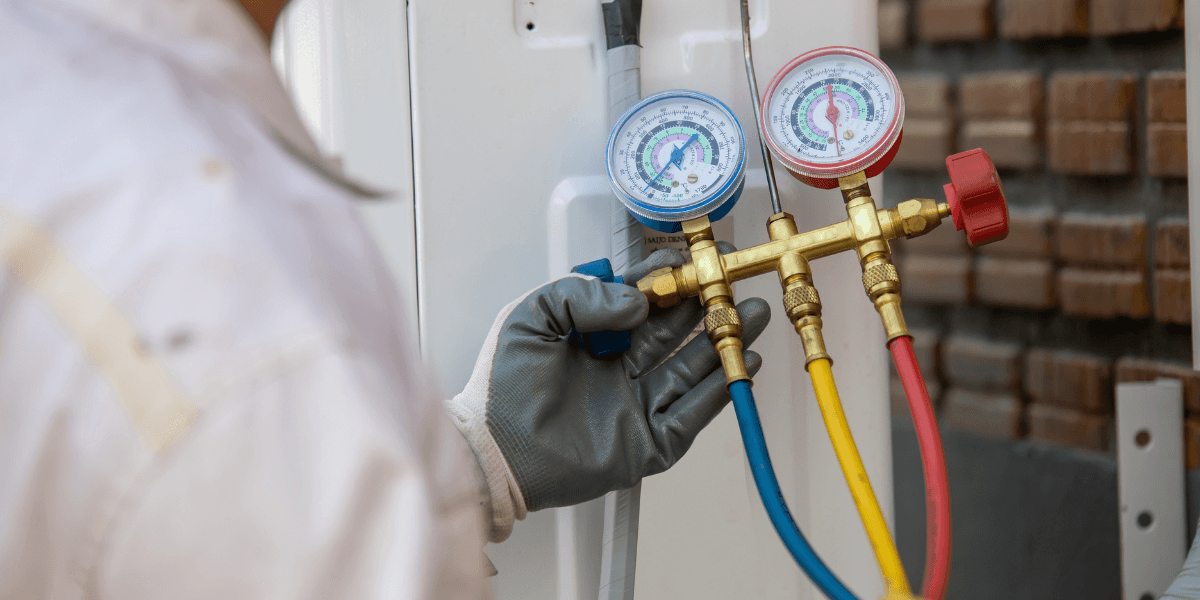
With the European deadline for implementing the EPBD IV just days away, the debate over the "Green Homes" Directive is once again at the center of attention for the entire construction and building services industry. The issue concerns not only regulatory requirements or real estate efficiency goals, but also the industrial system's ability to support the transition with available, safe, and mature technologies.
In this context, Assoclima reiterates the readiness of the Italian electric heat pump industry , emphasizing how the sector has reached a level of development sufficient to support the path toward decarbonization of buildings. The key point, however, remains the need for a shared vision among businesses, distributors, installers, associations, and institutions to transform the energy transition into a concrete opportunity for the country.
Heat pumps and retrofitting: mature technologies for existing assets
The heat pump industry is recognized as one of Italy's leading players, capable of supporting the electrification of heating consumption with solutions that already comply with current regulations . A particularly important aspect concerns the ability to adapt to existing retrofit projects, where systems often face different building contexts, technical constraints, and specific installation requirements.
In recent years, the sector has worked on several fronts, focusing in particular on aspects that directly impact the possibility of making the energy transition of buildings more accessible and feasible, even outside of new construction:
- increasing the energy efficiency of equipment;
- greater safety in residential and professional applications;
- ease of installation even in existing building contexts;
- adaptability to different system configurations;
- use of refrigerants with a lower climate impact .
For HVAC professionals, this scenario confirms the increasingly strategic role of integrated design. The heat pump is not just a technology to replace a traditional generator, but a solution to be integrated into a broader building-system system, in which the building envelope, distribution, regulation, ventilation, and actual needs must be evaluated together.
Low-GWP refrigerants and safety: the technical evolution of the supply chain
Among the topics highlighted in the press release is the adoption of lower-GWP refrigerant gases in the residential sector . Despite initial reservations regarding their flammability, this development is presented as a technical and commercial success, confirming the industry's ability to innovate responsibly.
In particular, R290 equipment is cited as an increasingly widespread technology in the energy transition process. Continuous improvement of safety requirements and installation methods remains essential, however, as the deployment of new solutions requires updated skills throughout the entire value chain: design, distribution, installation, maintenance, and support.
For the industry, this means working not only on product availability, but also on qualifying the installation network and providing accurate technical information. The decarbonization of buildings, in fact, cannot be left solely to regulatory pressure: it requires expertise, clear standards, and the ability to guide end users in making the most appropriate choices for their building.
A shared direction for the energy transition of buildings
The press release also recalls the Manifesto for Electrification , presented as a pact between consumers, businesses, and associations to make energy efficiency and renewables an accessible choice and a potential competitive advantage for the country's system.
Technological diversity remains part of the debate, but with a fundamental awareness: the various available solutions do not all have the same impact on the environment, efficiency, and human well-being. Therefore, the transition requires open discussion, but also clear criteria for evaluating performance, sustainability, and consistency with climate objectives.
For the HVAC industry, EPBD IV therefore represents a crucial step. The challenge is not only to implement a European directive, but to build an operational path capable of uniting industry, installers, designers, and end users. The technologies are already available; now it is crucial to translate the sector's maturity into concrete, measurable, and truly effective interventions on Italy's building stock.
Related Focus

FAQ
The EPBD IV directive primarily promotes the energy retrofitting of residential, commercial, and public buildings, where heat pumps are key to decarbonizing heating consumption. The goal is to progressively reduce dependence on fossil fuels through electrified HVAC systems integrated with renewable sources. In this context, heat pumps play a strategic role both in new buildings and in major energy retrofits.
Design is evolving toward fully integrated, fully electric systems, with a focus on building envelope insulation, intelligent control, and dynamic energy load management. When retrofitting, it's essential to assess compatibility with existing systems and develop hybrid or modular solutions to ensure operational continuity and economic sustainability. Furthermore, continuous performance monitoring is becoming increasingly important to ensure real efficiency throughout the building's lifecycle.
In the medium term, demand for high-efficiency heat pumps, systems with natural refrigerants, and integrated solutions with smart grids and energy storage is expected to grow. At the same time, the demand for multidisciplinary expertise in energy, digitalization, and system safety will increase. For the HVAC/R sector, EPBD IV therefore represents not only a regulatory challenge, but also an acceleration towards more advanced, sustainable, and data-driven design models.
