



Air conditioners under stress: photovoltaics as an ally of the electricity grid
Rooftop photovoltaics can reduce peak consumption from air conditioners, improve the resilience of electricity grids, and contribute to a more sustainable urban energy transition.
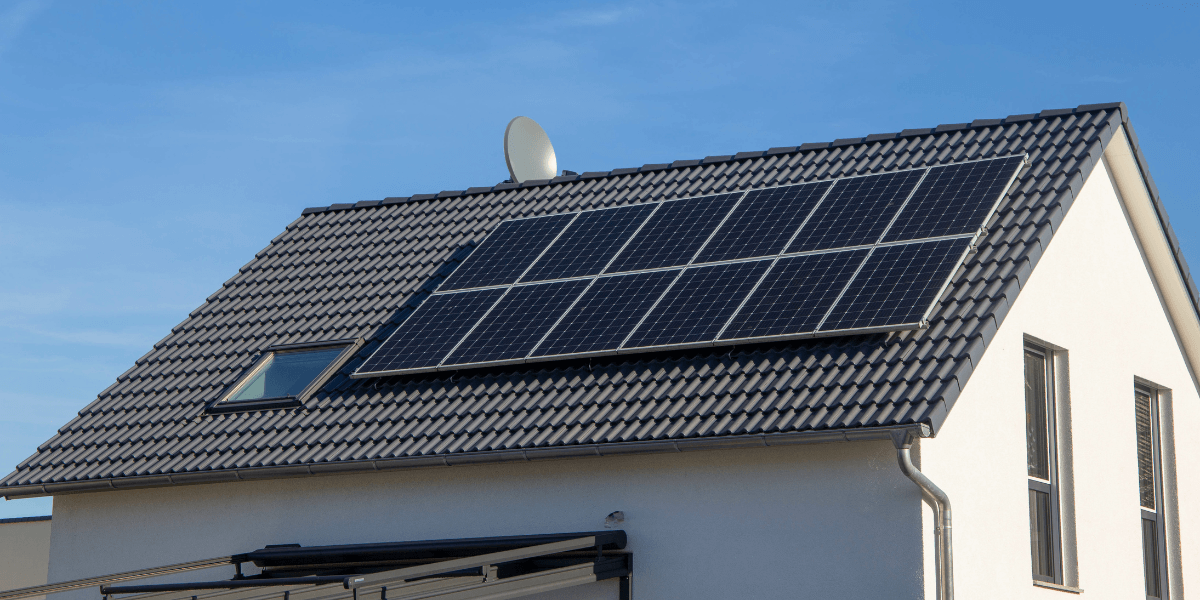
The heat waves of recent years have highlighted a growing criticality: air conditioners and residential and commercial climate control systems put pressure on electricity grids , with peaks in demand concentrated in the central hours of the day.
This phenomenon, especially common in densely populated cities, can lead to temporary service interruptions , increased operating costs, and the risk of blackouts , calling into question the resilience of the electricity system. Intelligent management of these peaks therefore becomes a strategic objective not only for operators and distributors, but also for local governments and policymakers engaged in the urban energy transition.
Rooftop photovoltaics: local energy to reduce peaks
The widespread installation of rooftop photovoltaic systems represents a concrete solution to alleviate pressure on grids. Solar generation naturally coincides with peak air conditioning usage hours: when electricity demand is highest, photovoltaic systems generate local energy, reducing grid draws and alleviating peak loads .
Recent studies estimate that widespread deployment of rooftop photovoltaics could contribute to energy savings of up to 1.2 TWh by 2050, relieving the grid during critical times and ensuring greater service continuity.
Economic, environmental and operational benefits
The integration of air conditioning and photovoltaics not only brings benefits from an energy perspective, but also has concrete impacts on costs , sustainability and grid management .
Key benefits include:
- Reduction of withdrawals from the grid during summer consumption peaks , contributing to the stability of the electricity system;
- Reduction of energy costs for families and businesses thanks to direct self-consumption of the energy produced;
- Improving the operational efficiency of networks , reducing the need for more expensive and polluting peaking plants;
- Contribution to environmental sustainability by replacing part of conventional electricity with clean solar energy;
- Increased urban resilience by providing a natural buffer against grid outages during peak consumption times.
These benefits demonstrate how photovoltaics is not simply a renewable energy source, but a strategic tool for managing electricity demand and making urban air conditioning systems more sustainable.
Towards an integrated energy transition
To maximize the effectiveness of this synergy, it is important to integrate photovoltaics with storage systems and intelligent load management, so as to efficiently distribute the energy produced and further reduce pressure on the grid.
The combined use of solar energy, smart grids , and monitoring technologies allows cities and HVAC system operators to optimize consumption, contain costs, and improve overall sustainability. In this scenario, photovoltaics becomes an indispensable ally in making urban grids more resilient and supporting the energy transition to a cleaner, smarter model.
Related Focus
FAQ
During the summer months, electricity demand for residential and commercial air conditioning peaks, placing strain on the electricity grid and increasing energy costs. The integration of photovoltaic systems allows air conditioners to be powered directly with on-site energy, reducing grid draw, demand peaks, and the risk of blackouts.
In addition to reducing electricity costs, photovoltaics improves self-consumption, increases grid resilience, and supports load management strategies. In residential buildings, offices, or shopping centers, this combination reduces the impact of consumption peaks, improving operational continuity and comfort without the need for costly infrastructure projects.
It's necessary to correctly size the photovoltaic system, evaluate electrical or thermal storage capacity, synchronize air conditioning settings with PV generation, and implement intelligent load management systems. Integration with a building management system (BMS) or energy management system (EMS) allows for maximizing the use of energy produced and reducing grid consumption.
