



Plug-and-Play Microphotovoltaics: A New Path to Domestic Self-Consumption
Plug-and-play microphotovoltaics offer easy access to home self-consumption, opening up new opportunities for professionals and energy specialists.
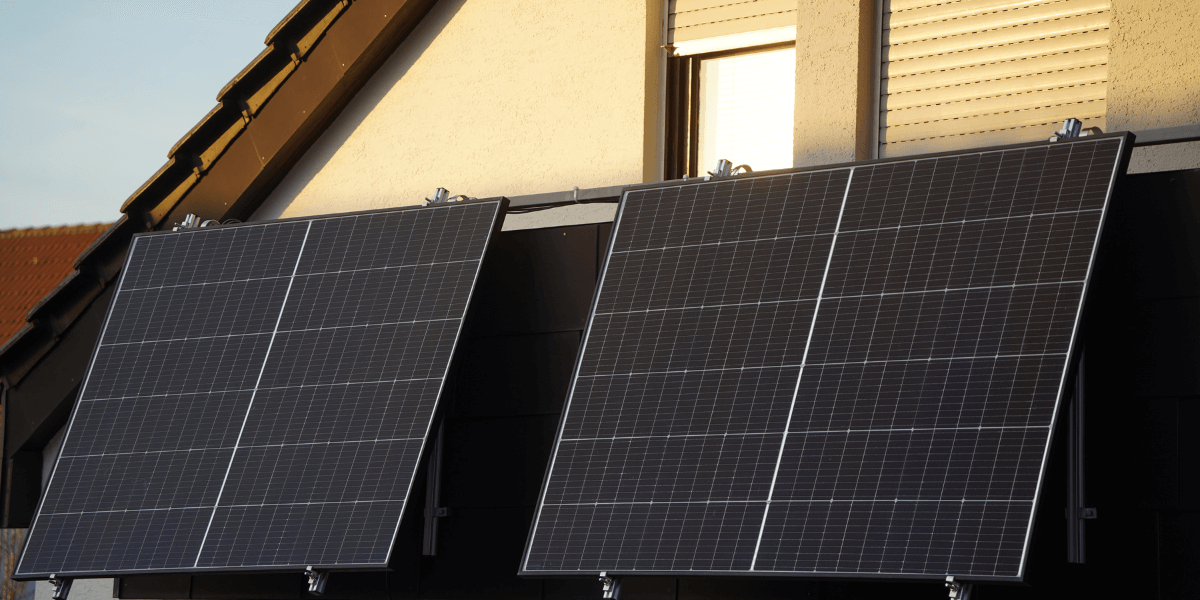
A rapidly growing segment is emerging in the renewable energy landscape: plug-and-play microphotovoltaics , a small-scale solar solution that allows residents to move closer to self-consumption without invasive interventions or expensive investments. This technology, despite its simplicity, introduces technical and regulatory elements that installers and energy specialists cannot ignore.
A simple technology, designed for immediate self-consumption
Plug-and-play photovoltaic systems are designed to be activated like a common household appliance: a panel, an integrated micro-inverter and a plug to be connected to the household socket.
The result is a system capable of producing energy continuously , reducing part of the withdrawals from the grid and improving the share of residential self-consumption.
Key features include:
- Quick installation , accessible even in contexts where a traditional system is not practicable.
- Modularity , with the possibility of adding additional panels to increase production.
- Portability , useful for balconies, terraces and rented homes.
These systems, while not a replacement for a complete photovoltaic system, represent an interesting technical solution for those who want to start producing energy independently without a structured intervention.
Regulatory and safety aspects: what professionals need to know
The spread of plug and play microphotovoltaics also brings with it the need for a correct regulatory framework .
Despite its ease of use, connecting a generator to the home network still requires attention, especially in terms of electrical safety, system compatibility, and communications with the distributor.
HVAC and energy professionals can play a key role in supporting users in system selection and installation by verifying:
- The correct power of the kit , which must fall within the limits required to be classified as plug and play.
- The adequacy of the existing electrical system , to avoid overloads or unsuitable connection points.
- Compliance of protective devices and compliance with technical standards regarding network connection.
For many users, these aspects are not immediately perceptible: this is why the role of a qualified technician can become crucial in ensuring safe, compliant, and truly energy-efficient installations.
An opportunity to expand the self-production market
The growth of plug-and-play microphotovoltaics could represent a new niche for industry operators.
Not only installation assistance, but also:
- preliminary assessments of system efficiency based on exposure,
- support in managing the necessary communications,
- integrating microphotovoltaics into broader strategies for reducing domestic consumption.
With rising energy costs and a greater focus on self-generation, it is likely that this market will continue to grow.
The role of professionals will therefore be to guide clients towards safe, functional solutions that are technically consistent with real performance expectations.
Related Focus

