



Low-enthalpy geothermal energy: why it can become a strategic resource for building comfort
Shallow geothermal energy aims to grow thanks to simpler procedures and greater integration into HVAC systems.
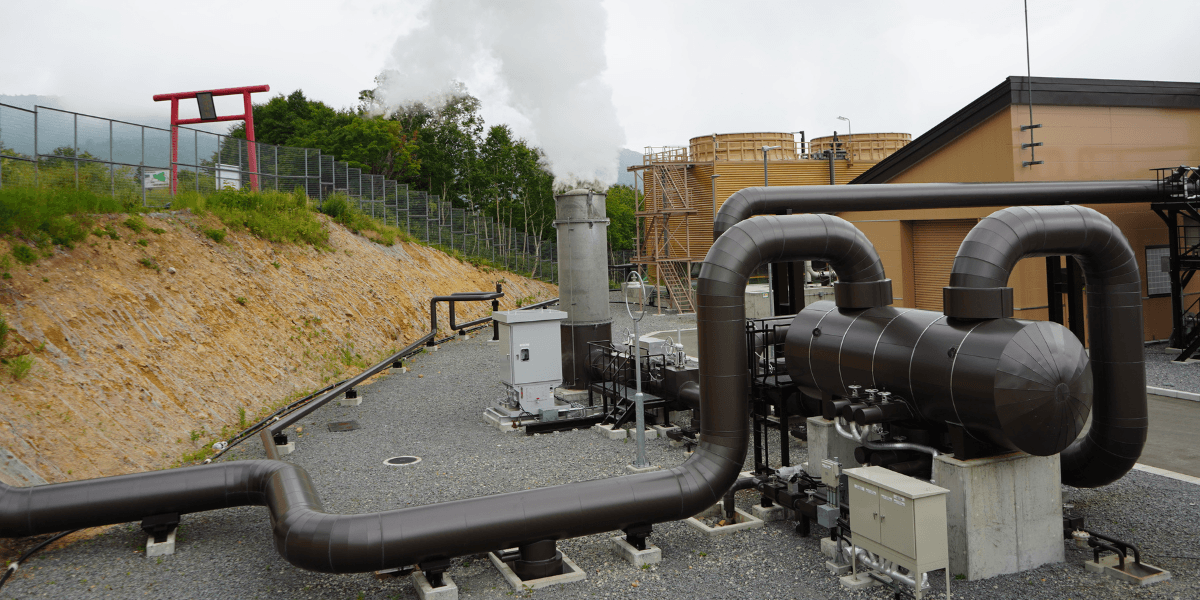
In the debate on renewable energy applied to buildings , shallow geothermal energy often continues to take a back seat to more widespread technologies such as photovoltaics and air-to-water heat pumps. Yet, it is a solution capable of offering high efficiency , continuous operation , and advanced integration with modern HVAC systems.
In recent years, the topic has returned to the forefront of attention thanks to new regulatory simplifications introduced to encourage the wider deployment of geothermal systems with reduced environmental impact. This move could help make this technology more accessible in the residential and tertiary sectors as well.
A stable source for heating and cooling
Low-enthalpy geothermal energy uses the heat naturally present underground to power heat pumps for air conditioning in buildings . Unlike other renewable sources, the ground maintains relatively constant temperatures throughout the year, allowing systems to operate under more stable conditions in both winter and summer.
This translates into several advantages from a plant engineering point of view:
- greater continuity of performance
- more controlled energy consumption
- effective integration with radiant systems
- reduction in the use of fossil fuels
For the HVAC sector, geothermal energy therefore represents an interesting solution, especially in projects aimed at energy efficiency and long-term consumption reduction.
The issue of authorizations has slowed down the diffusion
Despite its technological potential, shallow geothermal energy has spread more slowly in Italy than in other European countries. One of the main reasons is the complexity of the authorization procedures, which often vary from region to region and are not always proportionate to the size or actual impact of the plants.
Recent regulatory simplifications aim to reduce this obstacle by introducing more streamlined procedures for installations deemed to have a low environmental impact. The goal is to clarify the authorization framework and facilitate the integration of geothermal energy into construction projects, especially in new builds and energy retrofits.
For HVAC designers and operators, this could translate into increased application opportunities and gradual growth of the geothermal market.
Integrated HVAC: Geothermal as part of the building system
Today, geothermal energy is no longer seen as an isolated technology, but as part of an integrated energy ecosystem. The system's efficiency depends on the proper interaction between heat pumps, storage, internal distribution, and intelligent consumption management.
In this scenario, geothermal energy can become one of the most stable foundations on which to build advanced HVAC systems, especially in highly energy-efficient buildings. The ability to combine renewable heat generation, continuous comfort, and reduced consumption makes this technology increasingly attractive from a design perspective.
The real challenge, however, will be cultural as well as regulatory: transforming geothermal energy from a perceived specialist solution to a concrete component of energy strategies for the buildings of the future.
Related Focus


FAQ
Shallow geothermal energy is particularly suitable for residential, commercial, hospitality, and public buildings with constant heating needs throughout the year. Integrated with heat pumps, it ensures efficient air conditioning and domestic hot water production by exploiting the stable temperature of the subsoil. In the HVAC sector, it represents a strategic solution, especially for highly energy-efficient buildings and retrofits aimed at decarbonization.
Unlike photovoltaic and wind power, geothermal energy provides a continuous, non-intermittent energy source, ensuring stable operation of HVAC systems. This allows for high performance in both heating and cooling, with reduced consumption and constant comfort. Furthermore, the absence of noisy outdoor units is a significant advantage in urban and hospitality settings.
Geothermal energy can be integrated with photovoltaics, storage, and EMS/BMS systems to create energy-independent and highly efficient buildings. Geothermal heat pumps, thanks to the stability of the thermal source, are particularly well-suited to intelligent load management and self-consumption optimization. This approach improves energy resilience, operational continuity, and the building's sustainability.
