



Nuclear power and energy transition: Italy reopens the debate on the next generation of plants
The new bill on sustainable nuclear power reopens the debate on the role of advanced technologies in Italy's energy future.
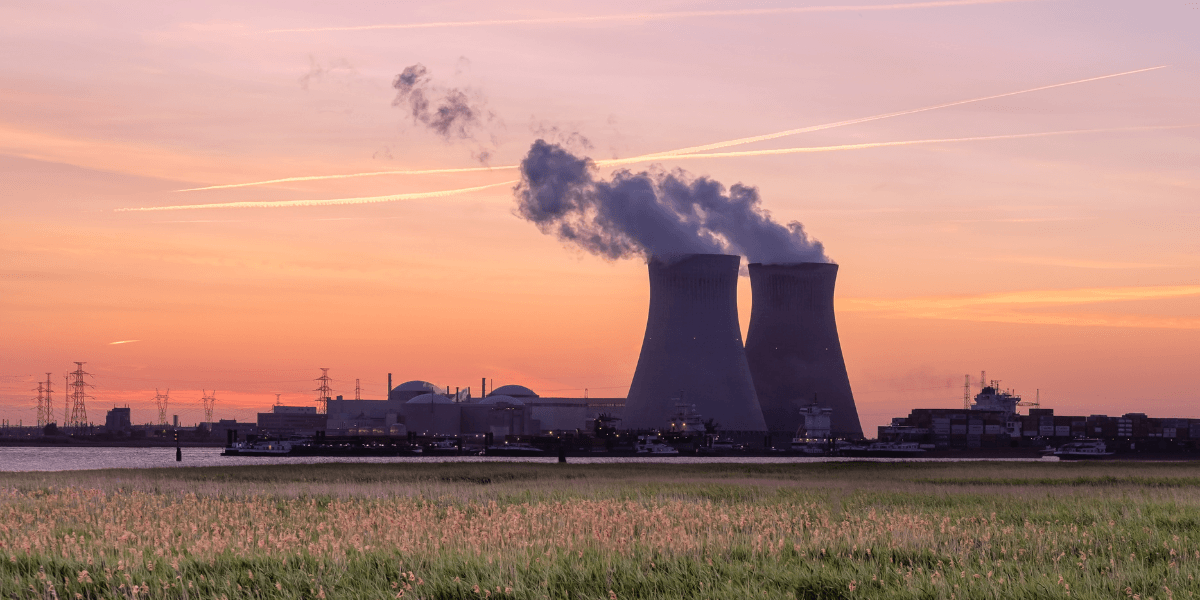
In the Italian energy landscape, nuclear power is gradually returning to the forefront of political and industrial debate. The focus is no longer on the power plants of the past, but on a new generation of technologies that, according to proponents, could contribute to energy security , grid stability, and the decarbonization of the electricity system.
The new bill on sustainable nuclear energy aims to establish a regulatory framework to promote research, development, and potential future applications of advanced nuclear technologies, reopening a topic that had been stagnant in Italy for decades.
New nuclear power: the focus shifts to advanced technologies
The current debate is not about a return to the large traditional plants of the past, but above all about new-generation systems such as SMRs (Small Modular Reactors) and AMRs (Advanced Modular Reactors).
These are technologies designed to offer:
- greater operational flexibility;
- higher safety standards;
- reduction of climate-altering emissions;
- integration with increasingly electrified energy networks;
- support for the stability of the energy system.
According to the Government, the bill aims to create the regulatory and industrial conditions to allow Italy to participate in the international development of new nuclear power , strengthening technological skills, research and the industrial supply chain.
Energy transition: the crux of production continuity
One of the central themes of the debate concerns the growing need to ensure continuity and stability of electricity production in an energy system where the share of intermittent renewables continues to increase.
Photovoltaic and wind power are growing rapidly, but their production depends on weather conditions. For this reason, the European energy debate is increasingly focusing on technologies capable of providing predictable and continuous power .
In this context, nuclear energy is presented as a possible complement to renewables , especially in a long-term perspective oriented towards:
- electrification of consumption;
- growth in energy demand;
- development of the energy-intensive industry;
- stability of the electrical grid;
- reduction of foreign energy dependence.
The topic remains highly divisive, however, both politically and industrially, especially due to issues related to development times, costs, waste management, and social acceptance.
HVAC, electrification and new energy balances
For the HVAC and energy sectors, the resurgence of the nuclear debate is part of an increasingly complex energy landscape. The growth of heat pumps, electric air conditioning, data centers, and storage systems is significantly increasing electricity demand.
The real challenge of the coming years will therefore be to build an energy mix capable of supporting this transformation, integrating renewable sources, storage systems, smart grids, and continuous production technologies.
Rather than a replacement for renewables, new nuclear power is now being discussed as a potential balancing factor within an increasingly electrified, distributed, and interconnected energy system.
For designers, HVAC operators, and the energy sector, this means dealing with an evolving landscape, where energy production, efficiency, and consumption management will be increasingly integrated.
Related Focus

FAQ
The debate on next-generation nuclear power falls within the context of energy security and the need to ensure continuous, low-emission electricity generation. In Italy, the issue primarily concerns supporting the growth of renewables and the electrification of consumption, including HVAC, heat pumps, and industrial processes. Technologies such as SMR (Small Modular Reactor) are considered potential solutions to integrate an energy system increasingly dependent on intermittent sources.
Next-generation nuclear power would likely be used as a complementary source to renewables, providing production continuity during periods of low wind and solar generation. This approach could reduce dependence on natural gas and increase the resilience of the energy system. However, the design challenge will be coordinating programmable and intermittent sources through smart grids and advanced energy management systems.
In the medium term, discussions will focus on economic feasibility, implementation timelines, and the role of nuclear power compared to storage, renewables, and hydrogen. For the HVAC/R sector, the central theme will be the evolution toward an increasingly electric, digital, and integrated energy system. Regardless of nuclear power choices, plant design will need to adapt to more complex networks, dynamic energy flows, and increasingly stringent decarbonization targets.
