New minimum requirements decree for 2026: how the approach to energy performance is changing.
The new 2026 minimum requirements decree redefines the energy performance of buildings, strengthening the role of efficient and integrated HVAC systems.

2026 marks a new milestone in the evolution of the energy performance of buildings .
With the update of the minimum requirements decree , the Italian regulatory framework takes a further step towards more efficient buildings, consistent with European decarbonisation objectives.
This change is closely affecting the HVAC industry, which is increasingly called upon to translate regulations into concrete, high-performance system solutions.
From regulatory parameters to real energy quality
The new decree reinforces the approach already established in recent years: it is no longer enough to meet individual design values, but it is necessary to ensure higher overall energy performance. The focus shifts to the building as a system, where the envelope, systems, and control must work in concert.
For industry professionals this means dealing with:
- lower energy requirements ,
- more stringent requirements for new constructions and major interventions,
- an increasingly integrated evaluation between architecture and systems engineering.
The role of HVAC systems therefore becomes central in determining the final energy quality of the building, well beyond simple compliance with legal limits.
Efficient, renewable, and control systems: the heart of change
One of the key messages of the new decree concerns the importance of highly efficient systems , capable of interacting with renewable sources and advanced regulation systems. The goal is to reduce actual consumption, not just calculated consumption.
In this scenario, the following assume an increasing importance:
- heat pumps , as the preferred solution for electrified air conditioning;
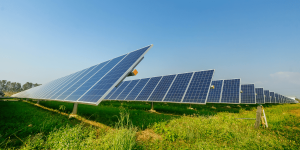
- integration with photovoltaic and storage systems ;
- intelligent regulation and building automation ;
- design oriented towards real use and not just standard conditions.
For those working in the HVAC sector, the challenge is not only technological, but also design: choosing solutions consistent with the building context and the new performance levels required.
A decree that redefines the role of professionals
With the new minimum requirements, the responsibility of designers, installers and companies also increases.
It's no longer about "applying a rule," but about building balanced energy solutions that guarantee comfort, efficiency, and sustainability over time.
The decree thus becomes an opportunity to enhance technical expertise in the HVAC sector, guide clients and customers towards more informed choices, and differentiate themselves in the market by focusing on design and system quality. Those who correctly interpret the new regulatory framework will be able to transform compliance with the requirements into a true competitive advantage.
Towards more efficient buildings and increasingly centralized systems
The 2026 Minimum Requirements Decree is part of a process that goes beyond mere regulatory compliance. The goal is to promote more efficient, less energy-intensive buildings that are better integrated with new technologies .
For the HVAC world, this means taking on an increasingly strategic role in the energy transition: not just system suppliers, but key players in defining the energy performance of the buildings of the future.
Related Focus