
Corrections requested to Legislative Decree 175/2025 to ensure clarity and continuity of application
Legislative Decree 175/2025 updates the areas eligible for renewables, but associations and operators are calling for corrections to ensure clarity, uniformity, and effective development of photovoltaics.
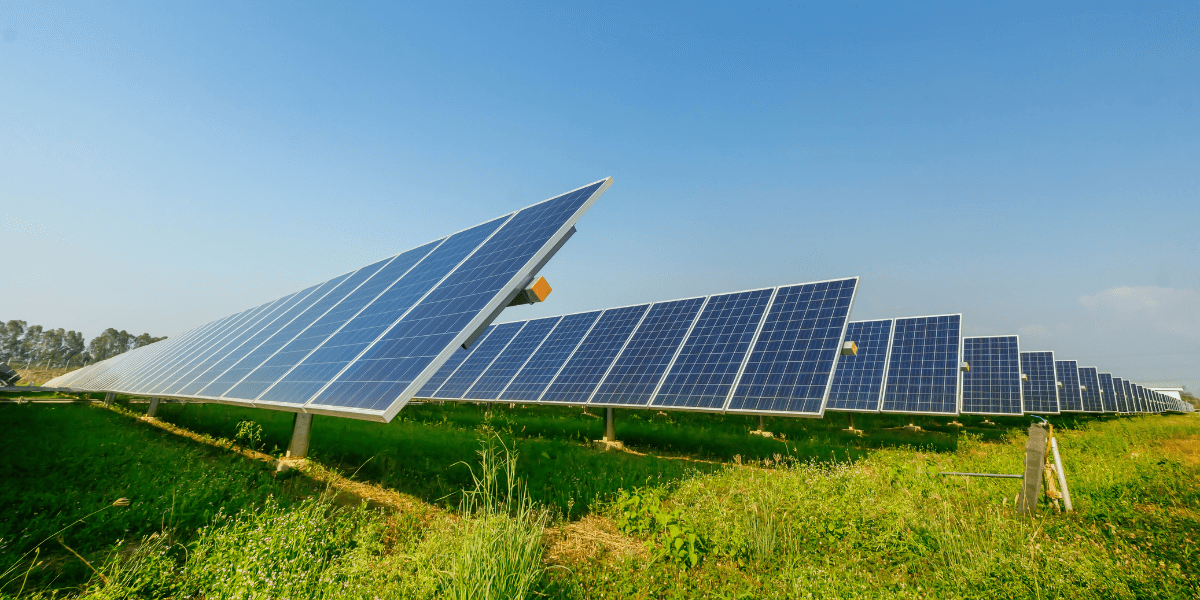
The update introduced by Legislative Decree 175/2025 brings the issue of areas suitable for the development of renewable sources, particularly photovoltaics , back to the centre of attention.
The measure, designed to reorganize authorization criteria and procedures, aims to provide a more stable and functional framework for the sector's growth. However, initial analyses by the associations highlight the need for further clarifications and adjustments to avoid delays in the implementation of new facilities.
What changes with the decree: a new definition of eligible areas
Legislative Decree 175/2025 identifies a number of previously developed areas as preferential, including industrial areas, brownfield sites, depleted quarries, covered parking lots, and other areas of low agricultural value. The goal is to promote photovoltaic development while avoiding excessive consumption of productive land.
However, the general ban on ground-mounted photovoltaic installations in agricultural areas remains in place, with the exception of specific exceptions such as repowering projects or advanced agrivoltaic projects. This measure, according to operators, could limit the actual availability of suitable land, especially in areas where agricultural land represents a large portion of the installable space.
Although the decree attempts to streamline some administrative procedures, differences remain between regions and authorization levels, making the framework still heterogeneous and not always easily applicable.
Associations' observations: greater operational clarity is needed
Organizations such as Italia Solare and FINCO have welcomed the legislator's intention to update the regulatory framework, but have highlighted several critical points that could limit the measure's effectiveness.
Among the main observations emerge:
- a definition of eligible surfaces considered too restrictive, which risks reducing installable capacity in the short term;
- a mapping that is not yet complete and not uniform, which could lead to divergent interpretations between territories;
- procedures that require further simplification, essential to ensure the timely launch of projects.
The associations are therefore calling for corrective measures to make the decree clearer, more consistent, and, above all, more applicable without operational uncertainty.
Impact on the sector and operators: opportunities and new planning criteria
For the HVAC supply chain, for installers and for companies integrating photovoltaics, storage systems and hybrid solutions, the new framework of suitable areas nevertheless opens up significant scenarios.
Areas such as industrial buildings, logistics platforms, parking lots, brownfield sites, and existing infrastructure can become energy hubs capable of hosting photovoltaic systems integrated with heat pumps, storage systems, and self-consumption technologies.
Project management will require:
- an accurate evaluation of the sites , to verify their actual suitability;
- preliminary analysis of available electrical connections and network capacity;
- a careful reading of the procedural differences between regions ;
- design already oriented towards the growing electrification of consumption .
In this context, operators' ability to correctly interpret the decree's criteria becomes crucial to ensuring project continuity and making new systems truly feasible in the medium term.
Related Focus