



MCE 2026: The climate of the future begins here
MCE 2026 confirms the strategic role of HVAC+R in the energy transformation of buildings, plants and systems.

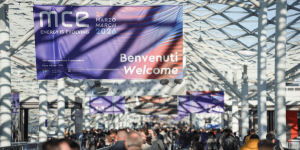
MCE 2026 closes with a clear signal to the market: the HVAC+R sector is no longer just a technological supply chain, but a key hub in the European energy transition . Over the four days of the trade fair, Fiera Milano Rho became the hub of a transformation involving systems, buildings, industrial production, and new energy consumption models.
With over 120,000 visitors and an increasingly strong international presence , the event reflected a rapidly evolving sector, called upon to rethink its role in a rapidly changing energy landscape.
A sector that redefines the relationship between energy and comfort
What emerges from this edition is a now consolidated awareness: talking about HVAC today means talking about decarbonization , efficiency , and intelligent energy management . The technologies presented at MCE demonstrate a sector that is moving beyond the traditional concept of air conditioning to become an integral part of building energy strategies.
Advanced heat pumps, hybrid systems, integration with renewable sources, building automation , and digital control are no longer the hallmarks of advanced niches, but increasingly central components of sustainability-oriented design. The system is no longer an accessory to the building: it becomes its active energy infrastructure.
Industrial innovation and new supply chain priorities
MCE 2026 also highlighted how the market's priorities are profoundly shifting. It's no longer enough to simply offer efficient technologies: today, competitiveness is measured by the ability to offer integrated, interoperable systems that can adapt to complex energy environments.
Among the themes that have most strongly permeated this edition are:
- reduction of environmental impact throughout the life cycle of the plants
- integration between HVAC, storage and renewable generation
- digitalization as a lever for control, maintenance and optimization
- growing attention to the energy flexibility of buildings
It's a sign of a rapidly maturing industry, driven not only by regulations but by increasingly informed demand.
Beyond the Fair: HVAC as a Leverage of Energy Transition
The true message of MCE 2026 goes beyond the numbers and the products on display. The event confirms that the HVAC+R sector is now one of the most significant players in the energy transition, because it directly impacts the crucial point of consumption: buildings.
For designers, installers, and industry professionals, a new era is dawning in which the required skills no longer concern merely technical performance, but the ability to understand the energy system as a whole. In this scenario, the future of environmental comfort increasingly coincides with the future of energy itself.
Related Focus

FAQ
The 2026 edition confirms that the future of air conditioning lies in the integration of heat pumps, building automation, connected HVAC systems, and renewable energy sources. System design is moving toward intelligent solutions capable of communicating with EMS and BMS, optimizing consumption, comfort, and performance in real time. For designers and installers, this requires an increasing focus on component interoperability and the dynamic management of energy loads.
The integration of advanced systems leads to greater design complexity: compatibility between different technologies, multi-zone regulation, energy balancing, and cybersecurity of connected devices become key aspects. Furthermore, the push toward decarbonization requires rethinking the sizing of systems to accommodate new energy sources and growing electrical loads, avoiding inefficiencies or oversizing.
The HVAC/R sector will see a progressive convergence between systems, digitalization, and distributed energy. Demand will grow for modular systems, ready for retrofitting and integration with energy storage and self-generation. For companies in the supply chain, this means investing in cross-functional skills—automation, data analytics, energy efficiency—and developing solutions capable of meeting increasingly stringent regulations on emissions, consumption, and building sustainability.
