


Indoor Air Quality and Ventilation: The Importance of Breathing Healthy Air Indoors
Indoor air quality is an increasingly central issue when it comes to living comfort and health. We spend approximately 90% of our time indoors, and precisely because of this, the quality of the air we breathe every day can have a significant impact on our respiratory well-being.
Fine particles such as PM10 and PM2.5 , high concentrations of CO₂ , mold , and volatile organic compounds are some of the main factors causing indoor air pollution. These elements can affect indoor air quality and are particularly critical for children, the elderly, and people with respiratory conditions.
To delve deeper into this topic, we consulted Dr. Carlo Barbetta , a respiratory specialist and member of AIPO – Italian Association of Hospital Pulmonologists . In this interview, he analyzes the main risks associated with indoor pollution and the importance of ensuring proper air exchange in buildings.
The role of controlled mechanical ventilation
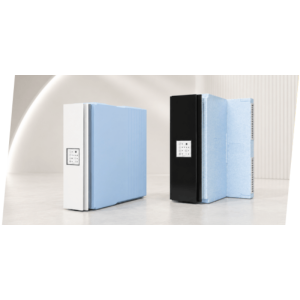
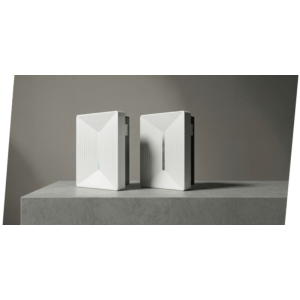
Among the most effective technological solutions for improving indoor air quality are dual-flow controlled mechanical ventilation (CMV) systems with heat recovery . These technologies allow for continuous and controlled management of indoor air exchange, helping to maintain healthier conditions.
In fact, VMC systems allow you to:
- ensure constant air exchange in the rooms
- filter polluting particles such as PM10 and PM2.5
- reduce CO₂ concentration and indoor humidity
- limit the formation of mold and condensation
- recover heat from expelled air, improving energy efficiency
Solutions like those developed by Helty demonstrate how ventilation technologies can concretely contribute to improving indoor air quality, integrating living comfort, energy efficiency, and health protection.
👉 Read the full interview with Dr. Carlo Barbetta and learn more about indoor air quality.
Other news from Helty Srl