



Focus Around the world
This article is over 3 years old
European Council approves the Energy Union, more integration and less emissions
Energetic management moves to the Union’s responsibility, to decarbonise Europe and guarantee uniformity in production and distribution
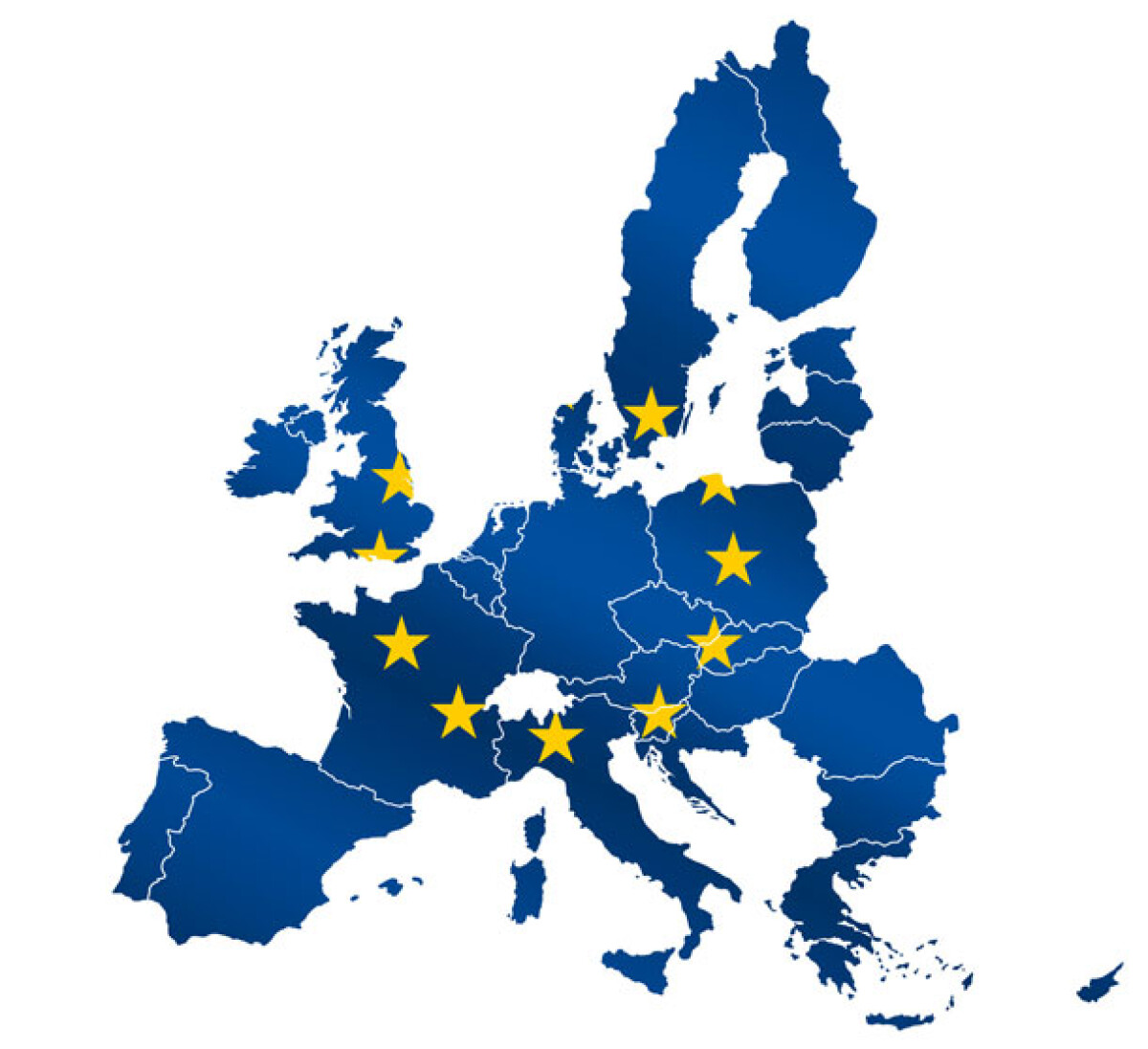
Last Thursday, March 19th, the European Council had a meeting to discuss on the Energy Union, that is a EU action that wants to focus the energetic management on the Union itself. The aim is to guarantee the uniform renewable energy production and distribution to every european country.
Last February, 25th, the European Commission approved a framework strategy containing the Union energy’s aims.
This strategy concerns five interconnected features: energy security, solidarity and trust among countries and productors; a fully integrated European energy market; energy efficiency contributing to moderation of demand; decarbonising the economy; and research, innovation and competitiveness.
The European Council approved the Commission’s framework strategy, pointing out the importance of the Energy Union on the whole continent.
The European Council’s specific requests are nine:
1. Realizing projects about electricity, gas and interconnections with peripheral areas, in order to pledge the community connection and transfer of energy;
2. Rigorously implementing the existing energy european legislation;
3. Developing the legislative framework for the security of supply for electricity and gas, considering robust grids installation and having recourse to territorial resources and low carbon technologies;
4. About agreements related to the buying of gas from external suppliers, confirming the compliance with EU law, guaranteeing transparency and, at the same time, confidentiality on sensitive information;
5. Evaluate voluntary demand aggregation mechanisms in order to be in full compliance with WTO and EU competition rules;
6. Developing a more structured and usable market, to permit the every-area cooperation and the creation of new renewable sources, in order to provide affordable energy to every user;
7. To reach 2030 targets, reviewing legislation about emissions reduction, energy-efficiency and renewables;
8. Planning an innovation strategy, in compliance with the energy and climate progress;
9. Make partnerships with productor countries, in order to guarantee energetic safety and to permit to every country to exploit their resources.
European Council and Commission have an important task: increasing electricity efficiency and distribution, that is not so easy, both in a normative and a pratical way.
Energy Union will be a perfect sharing and increasing tool, and it will be an essential support for european countries, looking at 2030 targets.
Last February, 25th, the European Commission approved a framework strategy containing the Union energy’s aims.
This strategy concerns five interconnected features: energy security, solidarity and trust among countries and productors; a fully integrated European energy market; energy efficiency contributing to moderation of demand; decarbonising the economy; and research, innovation and competitiveness.
The European Council approved the Commission’s framework strategy, pointing out the importance of the Energy Union on the whole continent.
The European Council’s specific requests are nine:
1. Realizing projects about electricity, gas and interconnections with peripheral areas, in order to pledge the community connection and transfer of energy;
2. Rigorously implementing the existing energy european legislation;
3. Developing the legislative framework for the security of supply for electricity and gas, considering robust grids installation and having recourse to territorial resources and low carbon technologies;
4. About agreements related to the buying of gas from external suppliers, confirming the compliance with EU law, guaranteeing transparency and, at the same time, confidentiality on sensitive information;
5. Evaluate voluntary demand aggregation mechanisms in order to be in full compliance with WTO and EU competition rules;
6. Developing a more structured and usable market, to permit the every-area cooperation and the creation of new renewable sources, in order to provide affordable energy to every user;
7. To reach 2030 targets, reviewing legislation about emissions reduction, energy-efficiency and renewables;
8. Planning an innovation strategy, in compliance with the energy and climate progress;
9. Make partnerships with productor countries, in order to guarantee energetic safety and to permit to every country to exploit their resources.
European Council and Commission have an important task: increasing electricity efficiency and distribution, that is not so easy, both in a normative and a pratical way.
Energy Union will be a perfect sharing and increasing tool, and it will be an essential support for european countries, looking at 2030 targets.
