

Efficient and Quiet Ventilation: Ubbink's 6 Tips
A ventilation system doesn't just exchange air; it also significantly contributes to home comfort, indoor air quality, and energy savings. However, if improperly designed or installed, it can cause problems such as noise, perceived airflow, or compromise the home's overall health.
For these and other reasons, the design phase is crucial: every decision, from calculating energy requirements to the layout of ducts and diffusers, can make a difference. Ubbink offers six practical tips to help installers and designers create more efficient and reliable ventilation systems.
Always start with adequate ventilation in mind.
Every building has unique characteristics: shape, size, and spatial distribution affect airflow requirements. Before installing components, it's essential to perform an accurate ventilation calculation.
Carefully evaluate the positioning of the vents.
The choice of vent type and their positioning is crucial to avoid the perception of drafts. Some intake vents should not be placed above parking areas, but rather along passageways.
Choose the type of channel and plan the lengths.
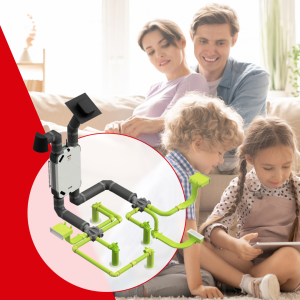
The choice of ducts impacts installation and performance. In new construction, circular ducts integrate more easily into the structure, while in renovations, semi-oval ducts may be more practical. Flexible systems, such as Air Excellent, offer design freedom and ease of installation.
Calculate the overall pressure drops.
Correctly determining pressure drops is essential for a balanced and efficient system. Ubbink has developed a specific configurator for Air Excellent, which simplifies the work of designers.
Check the speed in the channels.
To comply with acoustic limits (30 dB in living rooms and bedrooms), it is recommended to keep air velocity within 3 m/s. A well-designed air distribution system, with centrally placed distribution boxes/plenums, helps reduce pressure drops and thus reduce energy consumption.
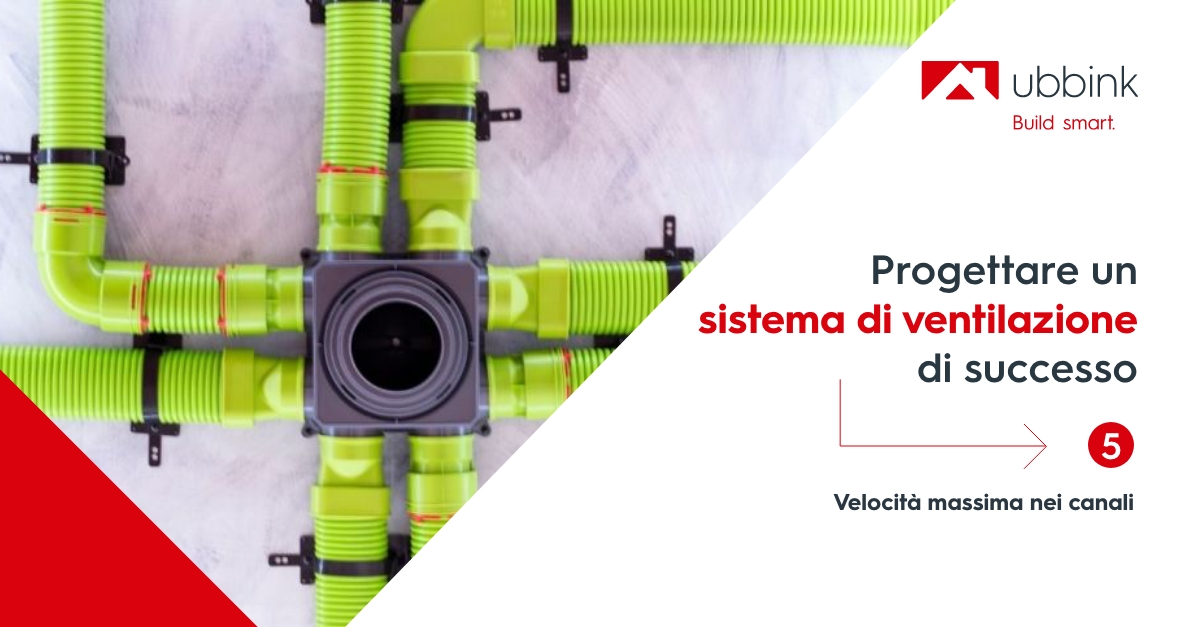
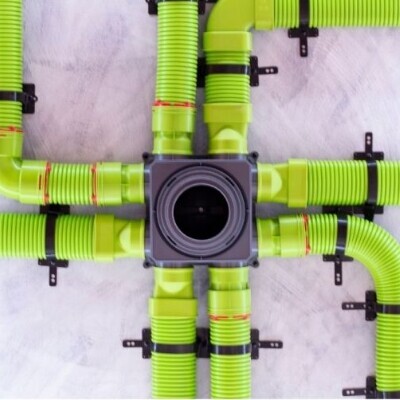
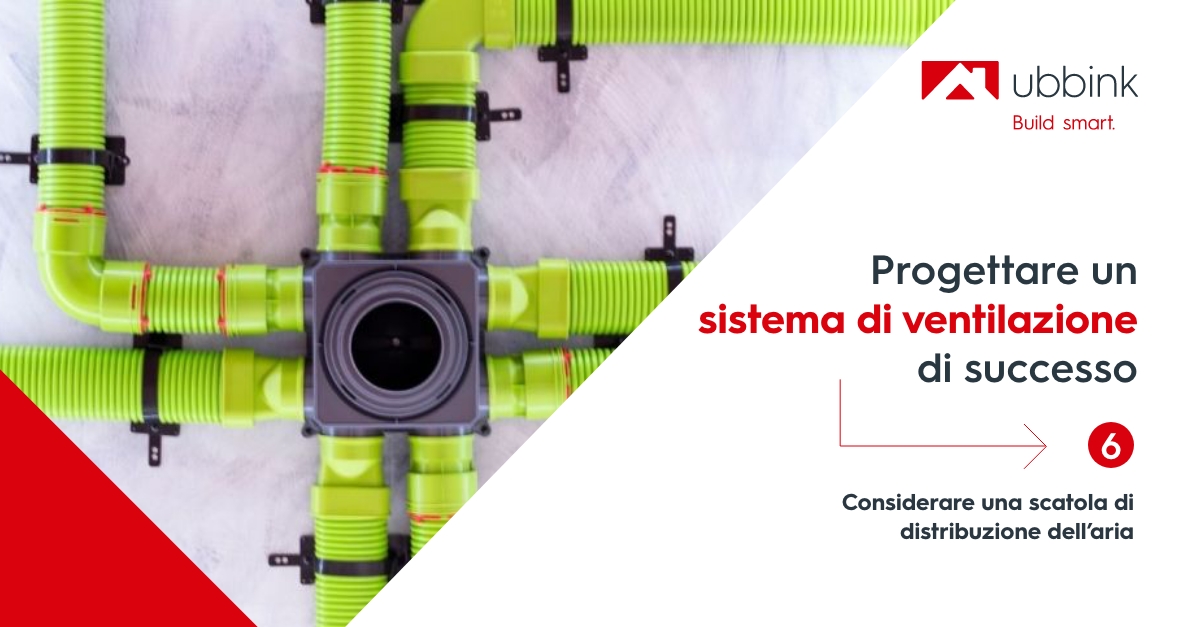
Use a Ubbink Air Excellent distribution box.
In addition to making calculations easier, our distribution boxes allow you to adjust air flow rates room by room and limit voice transmission between rooms.
Following these six tips suggested by Ubbink means minimizing design errors and ensuring ventilation systems deliver consistent comfort, quietness, air quality, and structural integrity. A careful and professional approach not only improves user well-being but also contributes to the overall energy efficiency of buildings.
Other news from Ubbink Italia