COP30: Energy efficiency and plant technologies put to the test
COP30 highlighted the need to prioritize energy efficiency in buildings and technical systems. For the HVAC-R sector, this means new design and operational requirements.
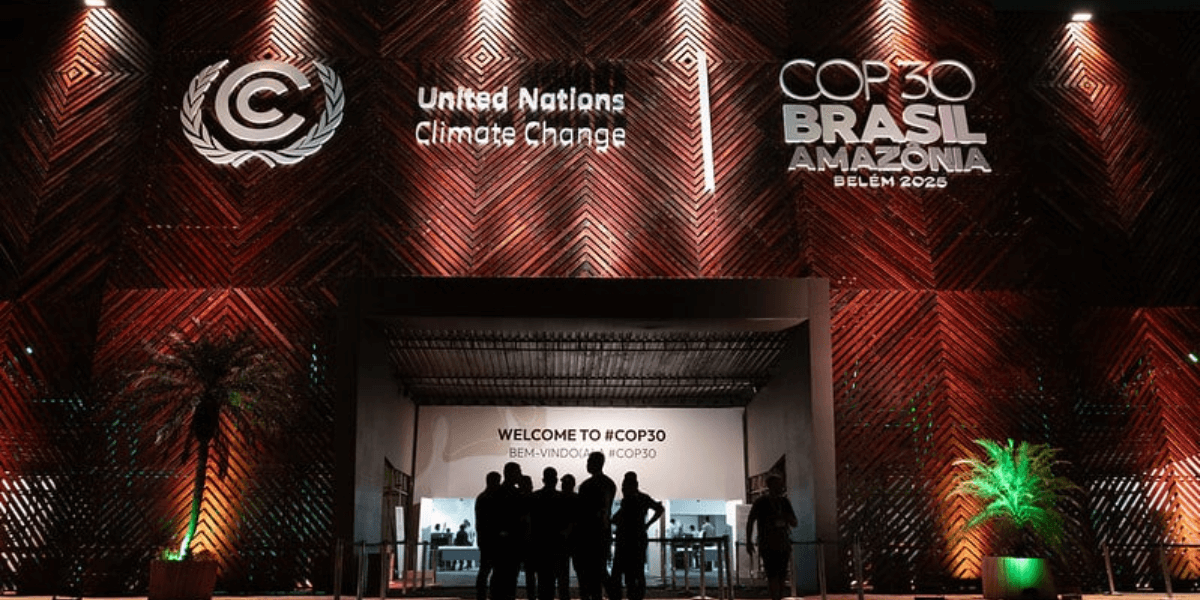
Image source: eunewsletter.eu/it
At COP30 , held in Belém , a clear message was forcefully delivered: energy efficiency is no longer an option , but a fundamental component of any decarbonization strategy. A report presented during the conference highlighted that emissions from cooling systems could double by 2050 unless action is taken to improve design, technologies, and consumption.
While renewable energy production continues to advance, the gap between clean generation and efficient demand remains one of the most significant challenges emerging in the first days of the summit.
The hot topics of the first week and expectations for the second
Among the main topics discussed in the first part of COP30 were the need to triple renewable generation and double energy efficiency improvements by 2030 .
The work also highlighted that negotiations are moving from the technical to the political phase, with delegations preparing negotiating "packages" to implement promises.
For those in the plant sector, this means that the focus is not only on the production of clean energy, but also—and perhaps above all—on how that energy is consumed in real systems.
The second week will be crucial: concrete decisions are expected on financing the transition, energy justice, data transparency, and increasing efficiency in heating, cooling, and electrical systems.
For the HVAC-R world, operational considerations are opening up: system upgrades, choice of refrigerants, integration between production, storage, and control.
Implications for HVAC-R designers, installers and operators
In this context, the air conditioning and refrigeration sector takes on a strategic role. Systems must meet new demands for efficiency , innovation , and integration into the energy system.
COP30 emphasizes that cooling without increasing emissions requires more efficient solutions, digitalized control systems, and an efficiency-centric approach.
For those who design and install, this means anticipating regulations and technologies, adapting to scenarios in which system design and efficiency become competitive levers.
Related Focus