





Assoclima: EU-granted flexibility must support structural investments and heat pumps
Italy's request to the European Commission to extend the National Safeguard Clause (NEC) to the energy sector could represent a significant opportunity to support the energy transition and strengthen the country's autonomy. This is highlighted by Assoclima , which welcomes the ongoing discussions in Brussels and the potential measures to support families and businesses.
According to the association, the greater flexibility requested by Italy could allow for the acceleration of investments in strategic technologies for decarbonisation , helping to reduce dependence on fossil fuels and contain the cost of energy.
Heat pumps and renewables among the strategic measures
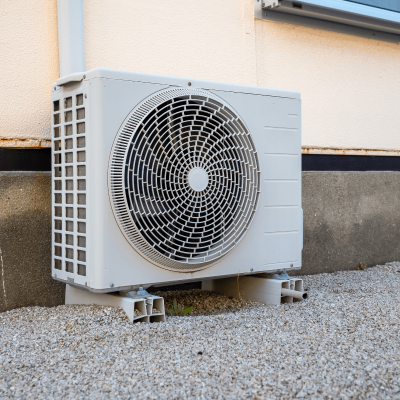
Interventions that could benefit from European flexibility include support for electric mobility , the installation of photovoltaic systems with storage systems and the replacement of traditional gas or diesel boilers with electric heat pumps .
These technologies are considered essential for achieving decarbonization goals and improving the energy efficiency of buildings, while simultaneously promoting a reduction in consumption and emissions.
An opportunity for the competitiveness of the country system
This issue comes at a particularly important time for the European energy sector. The European Commission recently approved a €23 billion Italian state aid scheme to support electricity generation from renewable sources, contributing to the achievement of the country's 2030 targets.
For Assoclima, reducing energy costs requires a long-term strategy based on renewables, electrification of consumption, and efficient technologies, capable of guaranteeing concrete benefits for both businesses and families.
The role of the HVAC supply chain
The association also emphasizes the value of an Italian industrial sector that in recent years has invested in production capacity, innovation, and skilled employment, consolidating its role in the production of technologies for comfort and energy efficiency.
In particular, the heat pump sector currently represents one of the most effective tools for supporting the energy transition, helping to build a more resilient, sustainable system that is less dependent on fossil fuels.

