
Radiant systems in historic buildings: improving comfort without affecting the building's identity.
In historical contexts, radiant systems allow for improved comfort without invasive interventions, preserving the structures, surfaces and architectural identity of the building.
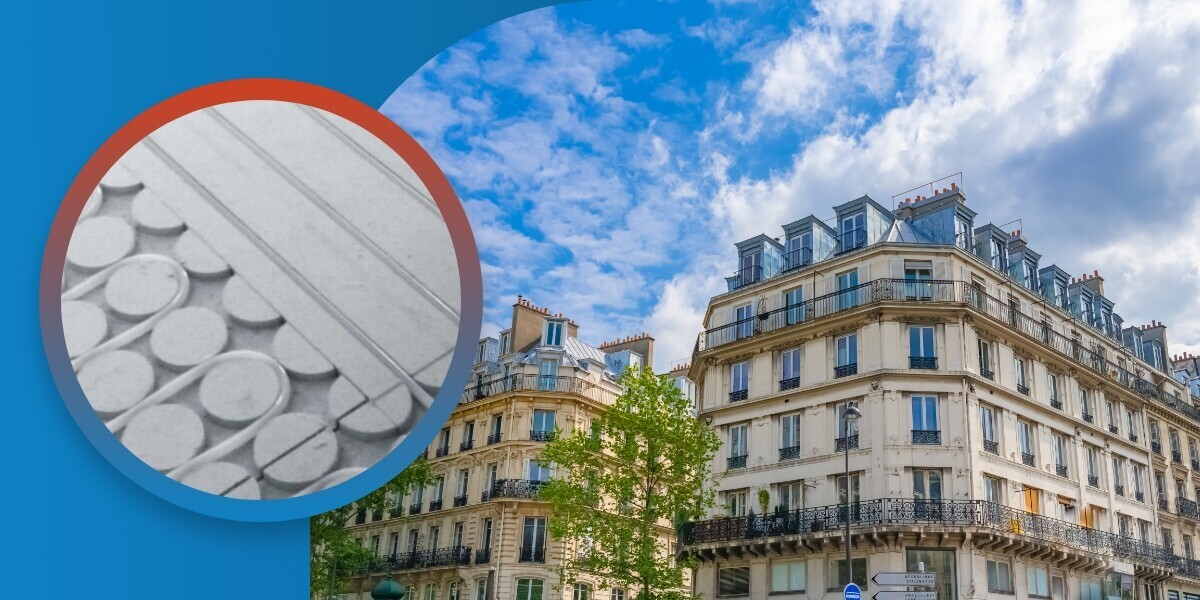
Intervening on a historic building means walking a delicate balance: improving comfort and efficiency without altering what makes the space unique . Load-bearing walls, original floors, frescoes, architectural constraints, and structural limitations drastically limit the possibilities for interventions on the systems. In this context, radiant systems represent one of the most attractive solutions, provided they are designed with a respectful and targeted approach.
The solutions developed by Indecal respond precisely to this need: bringing modern comfort into historic buildings without compromising their original structure and appearance.
Why traditional systems are often not suitable for historic buildings
Convection systems, based on exposed terminals or invasive ductwork, are poorly suited to historic settings. They require difficult-to-create technical spaces, generate air flows that can exacerbate dust and humidity problems, and often require visible modifications to the internal envelope.
In historic buildings, however, it's essential to work "silently," both visually and structurally. Minimizing traces of masonry, avoiding extensive demolition, and preserving original surfaces and materials becomes as much a priority as ensuring comfort.
The radiant principle as an ally of conservation
Radiant heating and cooling are based on a simple yet effective principle: heat exchange occurs primarily through radiation , not through air movement. This allows for comfortable environments even at lower operating temperatures and without drafts, a particularly useful aspect in historic buildings, often characterized by large volumes and irreversible heat loss.
Furthermore, the uniform temperature distribution helps limit strong thermal gradients on surfaces, helping to preserve delicate materials such as historic plaster, wood or original coverings.
Vertical surfaces and low-thickness solutions: the most effective approach
When historic floors can't be removed or altered, vertical surfaces become a valuable resource. Radiant wall systems allow for comfort without affecting the original stratigraphy, working with lightweight, reversible false walls.
Similarly, ultra-thin solutions allow the system to be integrated over existing surfaces, minimizing the impact on the floor level and limiting invasive work. This approach is particularly suitable for listed buildings, where every intervention must be measured, documented, and easily reversible.
Integrated design: the key role of the radiant system
In historic buildings, radiant systems cannot be a standardized option. Careful design is required, taking into account the characteristics of the building envelope, heat loss, humidity conditions, and the actual use of the space. In this scenario, the flexibility of Indecal radiant systems allows the system to be adapted to the specific needs of the project, working on the areas and surfaces actually available.
The combination with efficient low-temperature generators, such as heat pumps, also allows for improving the building's energy performance without forcing solutions incompatible with the historical context.
Contemporary comfort, reversible intervention and respect for the existing
The true value of radiant systems in historic buildings lies in their ability to add comfort without leaving visible traces. No exposed terminals, no invasive ductwork, no alteration to the original geometry: the system operates discreetly, integrating with the existing architecture.
When properly designed, radiant systems improve the quality of life in historic buildings, making them more livable and sustainable, without compromising their identity. This approach views preservation not as a limitation, but as a value to be respected and enhanced, including through system design choices.
Indecal