



Photovoltaic and storage systems: the EIB agreement accelerates the evolution of the Italian energy system.
The EIB agreement on photovoltaics and storage accelerates the energy transition by improving the flexibility, efficiency, and integration of the electricity system.
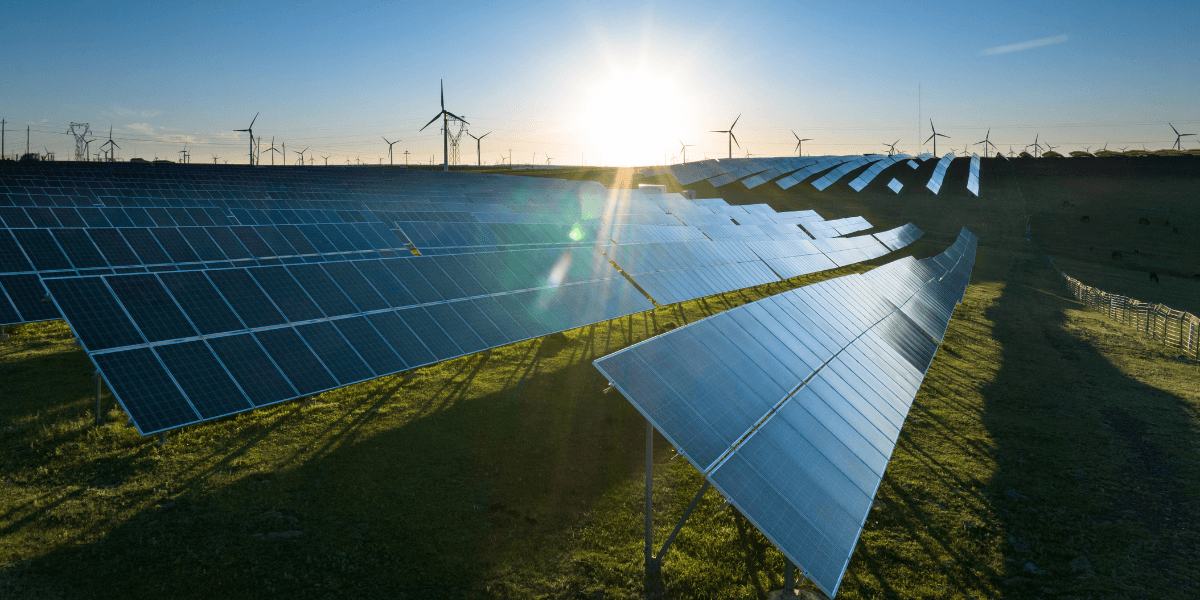
On the path toward an increasingly decarbonized energy system , the role of renewable sources cannot be separated from the ability to manage their variability. In this scenario, the integration of photovoltaic generation and storage systems is taking on growing strategic importance.
The recent agreement promoted by the European Investment Bank (EIB) fits precisely in this direction, supporting the development of new solar plants coupled with storage solutions. This initiative not only involves increasing installed capacity, but also contributes to redefining the very functioning of the energy system , making it more flexible, resilient, and geared toward the intelligent management of energy flows.
A project that integrates production and network flexibility
The operation involves a total investment of up to €507 million , earmarked for the construction of approximately 200 photovoltaic plants distributed across Italy, with a total capacity of 290 MWp . These will be complemented by 350 MW of storage systems , a key element in ensuring more efficient management of the energy produced.
This is an increasingly widespread approach in the European energy landscape: no longer just generation from renewable sources, but integration between production and storage capacity, with the aim of making renewable energy programmable and usable even during non-productive hours.
Once fully operational, the project will generate approximately 416 GWh of energy per year, making a significant contribution to reducing emissions and meeting national energy needs.
Photovoltaics and storage: towards a smarter energy system
The combination of photovoltaic systems and Battery Energy Storage Systems (BESS) is currently one of the main drivers of the electricity system's evolution. The growing penetration of renewables necessitates the introduction of solutions capable of balancing supply and demand in real time.
In this context, accumulation allows for:
- stabilize the electricity grid , reducing the critical issues related to the variability of renewable sources
- increase self-consumption and energy efficiency of plants
- support the management of peak demand and improve service quality
This model paves the way for an energy system increasingly oriented towards digitalization, technology integration, and dynamic consumption management, with direct implications for the construction and plant engineering sectors.
The role of finance in the energy transition
The agreement is part of European decarbonisation policies, such as the Italian National Energy Strategy (NECP) and the REPowerEU plan, and benefits from the support of EU financial instruments such as InvestEU.
In this context, finance plays a key role in promoting the development of innovative energy infrastructure, accelerating the adoption of technologies capable of improving the system's efficiency.
For the market, this is a significant signal: the energy transition is no longer just a technological issue, but a process that involves investments, business models, and long-term planning.
Impacts on the HVAC industry and buildings
The evolution of the energy system towards greater integration between renewables and storage will also have increasingly evident effects on the world of buildings and systems .
For HVAC designers and operators, this means dealing with scenarios in which energy will be increasingly distributed, intelligently managed, and integrated with storage systems.
In this context, photovoltaics combined with storage is not just a technology, but a key element for the development of highly energy-efficient buildings and for optimizing consumption, contributing to the construction of a more sustainable and interconnected energy system.
FAQ
The agreement envisages an investment of up to €507 million for the development of approximately 200 photovoltaic plants (290 MWp) supported by 350 MW of storage systems distributed across Italy. The goal is to strengthen renewable generation and improve the management of energy fed into the grid.
Integration with storage systems allows for the programmability of energy produced from renewable sources, improving grid flexibility and managing peak demand. This approach overcomes one of the main limitations of photovoltaics: its variability.
Projects of this type contribute to decarbonization, reduce gas dependence, and strengthen energy security, as well as generating economic and employment impacts along the supply chain. Furthermore, they foster a more distributed, resilient, and sustainable energy model.
