



Helty wall-mounted VMC: the restyling that combines vertical design, flexibility and advanced control
Helty wall-mounted VMC: vertical design, greater configurability and FlowEASY and FlowPLUS systems for efficient, intelligent and integrated ventilation in the environments
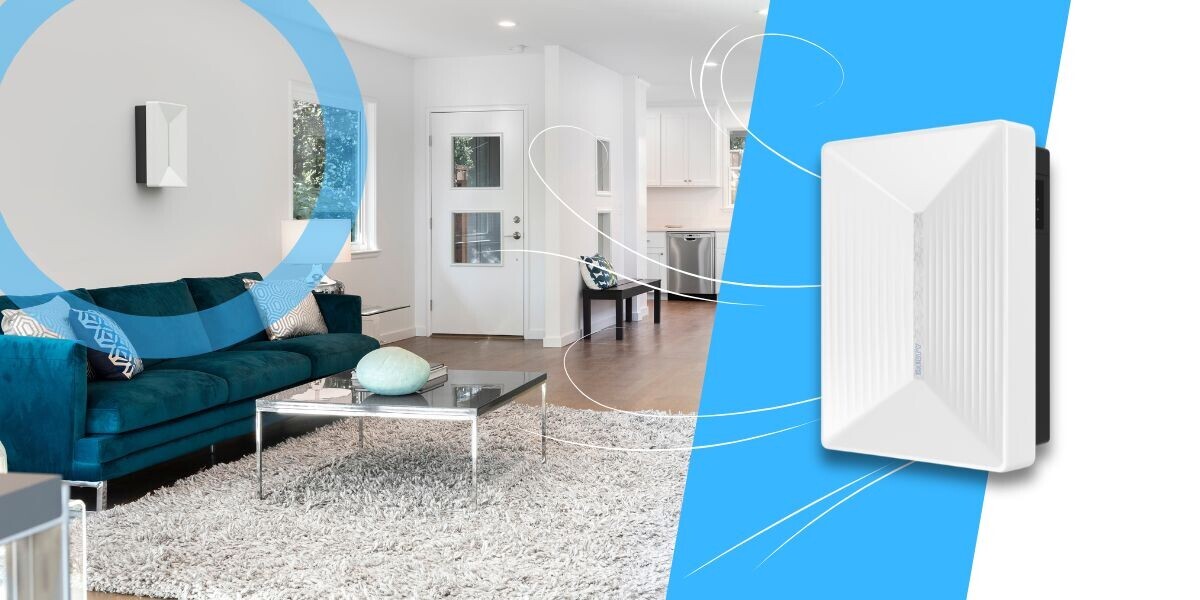
There's a specific point where ventilation stops being just a technical function and becomes an integral part of the living space. This is precisely where the new Helty project fits in: a complete redesign of wall-mounted CMV systems that not only improves performance, but redefines how these systems are perceived, installed, and used.
The new generation is the result of a thorough listening to the market and translates into a more advanced offering in every respect: design, configurability, and indoor comfort management . The most obvious change is the shift to a more compact and balanced vertical aesthetic, which reduces bulk and facilitates integration even in contemporary environments where each element must find a discreet and coherent placement.
But the real leap in quality isn't just visual. The new line introduces a more flexible design logic , designed to adapt to increasingly diverse climatic conditions, installation contexts, and performance expectations.
A VMC that adapts to the project: choice of exchanger and customized configurations
One of the most interesting aspects of the new Helty range is the ability to configure the system based on the building's actual needs . There is no longer a standard solution, but a modular platform that allows you to choose between sensible and enthalpic exchangers, two different approaches to comfort management.
In the first case, the goal is to promote dehumidification and work effectively in milder climates; in the second, to maintain a more stable thermohygrometric balance throughout the year, with obvious benefits especially in colder environments.
This flexibility is accompanied by a clearer segmentation of the range, which distinguishes between essential solutions for retrofits and more advanced systems for complete ventilation management.
FlowEASY and FlowPLUS: two distinct approaches to residential ventilation
Within the new line, Helty builds a proposal that develops on two well-defined levels, designed to respond to different but complementary design needs.
- FlowEASY , a compact and accessible solution, ideal for redevelopment projects where air exchange becomes necessary after the replacement of high-tight windows
- FlowPLUS , an advanced system that introduces more advanced control logic and dynamic ventilation management
FlowEASY stands out for its simplicity and immediacy: low flow rates of up to 30 m³/h, intuitive management, and non-invasive installation make it particularly suitable for existing residential settings. At the same time, it integrates key technical elements such as ePM2.5 65% + Coarse 90% filtration and a high-efficiency exchanger capable of recovering up to 91% of the heat, significantly contributing to energy savings.
FlowPLUS , on the other hand, stands out for its control and adaptability. Flow rates reach up to 37 m³/h, but above all, it features smarter system management: temperature and humidity sensors, app integration, automatic free cooling, and advanced configuration options with motorized dampers and preheating.
The result is ventilation that not only renews the air, but reacts to environmental conditions, continuously improving internal comfort.
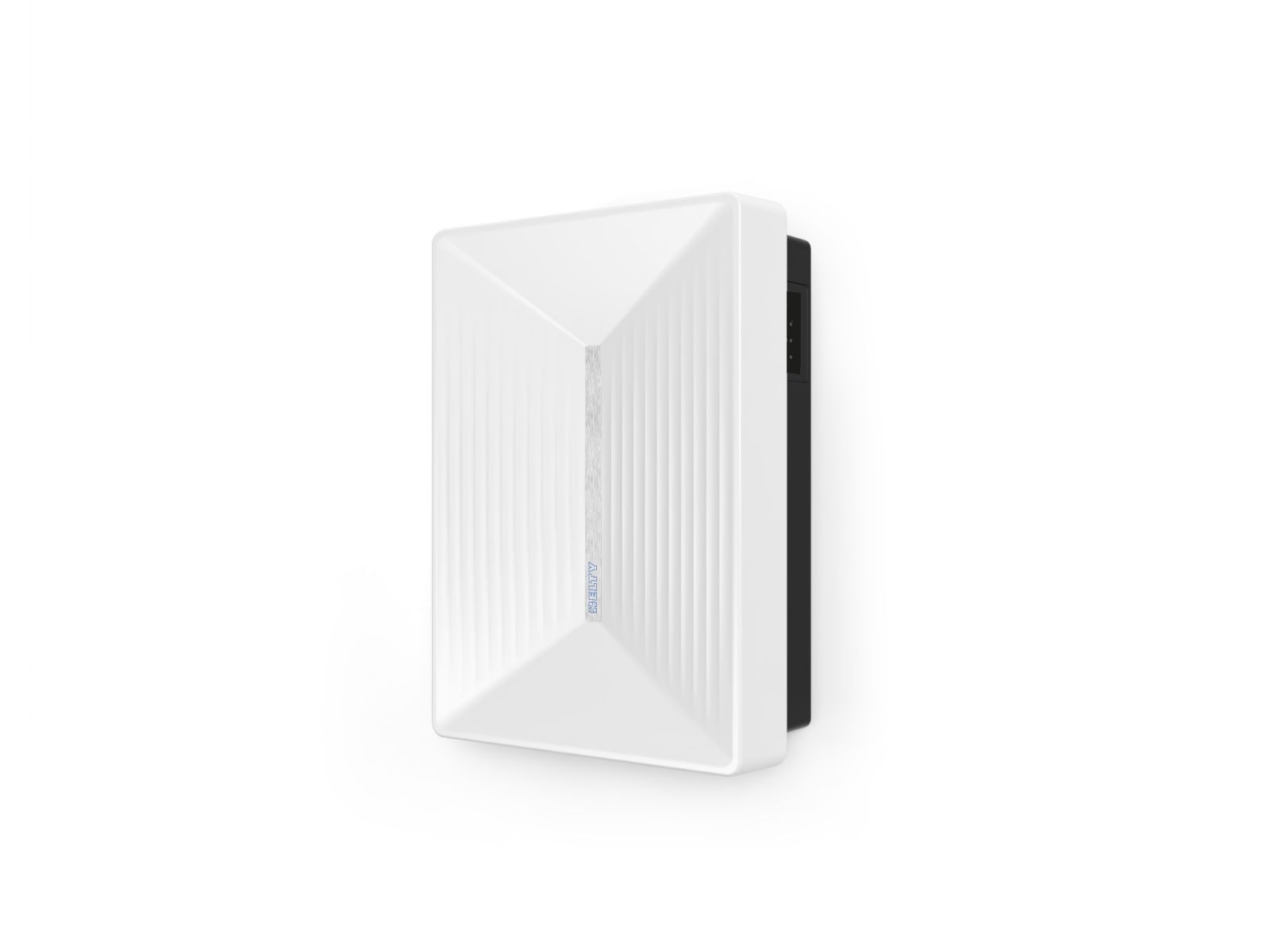
Energy efficiency, air quality, and silence: the foundations of a new generation
Regardless of the differences between models, the new Helty line shares a clear technical approach: maximizing efficiency while maintaining high indoor air quality.
The units operate with heat recovery of up to 91% , low electricity consumption, and high energy classes, reaching up to A+ in cold climates for the FlowPLUS model. At the same time, the low noise levels allow for use even in domestic environments without impacting acoustic comfort.
Filtration plays a central role: the combination of high-efficiency filters allows the retention of fine particles and impurities, helping to create healthier environments, especially in urban contexts.
A complete proposal for contemporary decentralized ventilation
With this restyling, Helty does not simply renew a product, but builds a more coherent and legible range , capable of accompanying designers and installers in choosing the most suitable solution.
FlowEASY and FlowPLUS represent two different but integrated responses to an increasingly central need: ensuring clean air, comfort and energy efficiency without complicating installation and without compromising the aesthetics of the rooms.
A clear direction, confirming that controlled mechanical ventilation is now a structural element in the design of contemporary buildings, and no longer a simple accessory.
Helty Srl

FAQ
Le VMC a parete sono particolarmente indicate in interventi di riqualificazione e retrofit, dove non è possibile installare sistemi canalizzati. Permettono di gestire il ricambio d’aria di singoli ambienti con interventi poco invasivi e tempi di installazione ridotti.
Il design verticale consente di ridurre l’ingombro e migliorare l’integrazione architettonica, facilitando l’installazione anche in spazi limitati e rendendo l’unità più discreta all’interno degli ambienti.
La possibilità di scegliere tra scambiatore sensibile o entalpico permette di adattare il sistema alle condizioni climatiche e agli obiettivi di comfort. Lo scambiatore entalpico consente anche il recupero dell’umidità, migliorando il bilancio igrometrico negli ambienti.
Le soluzioni decentralizzate eliminano la necessità di reti aerauliche, riducendo complessità progettuale, tempi di installazione e invasività del cantiere, risultando ideali per edifici esistenti o interventi puntuali.
I sistemi Helty integrano modalità di controllo evolute con gestione automatica dei flussi, regolazione dei livelli di ventilazione e controllo tramite pannello, telecomando o app, permettendo una gestione flessibile e adattiva del ricambio d’aria.
Una VMC a parete consente di ridurre umidità, condense e formazione di muffe, migliorando la qualità dell’aria indoor e garantendo un ricambio continuo senza dispersioni energetiche grazie al recupero di calore.

