
Focus Around the world
This article is over 3 years old
EU 2020 Climate and Energy Package: Europe close to achieving the 20/20/20 targets
According to the EU Progress Report, the European Union in 2013 achieved 19% reduction in greenhouse gas emissions, almost reaching 20% reduction set in the Climate&Energy Package for 2020.
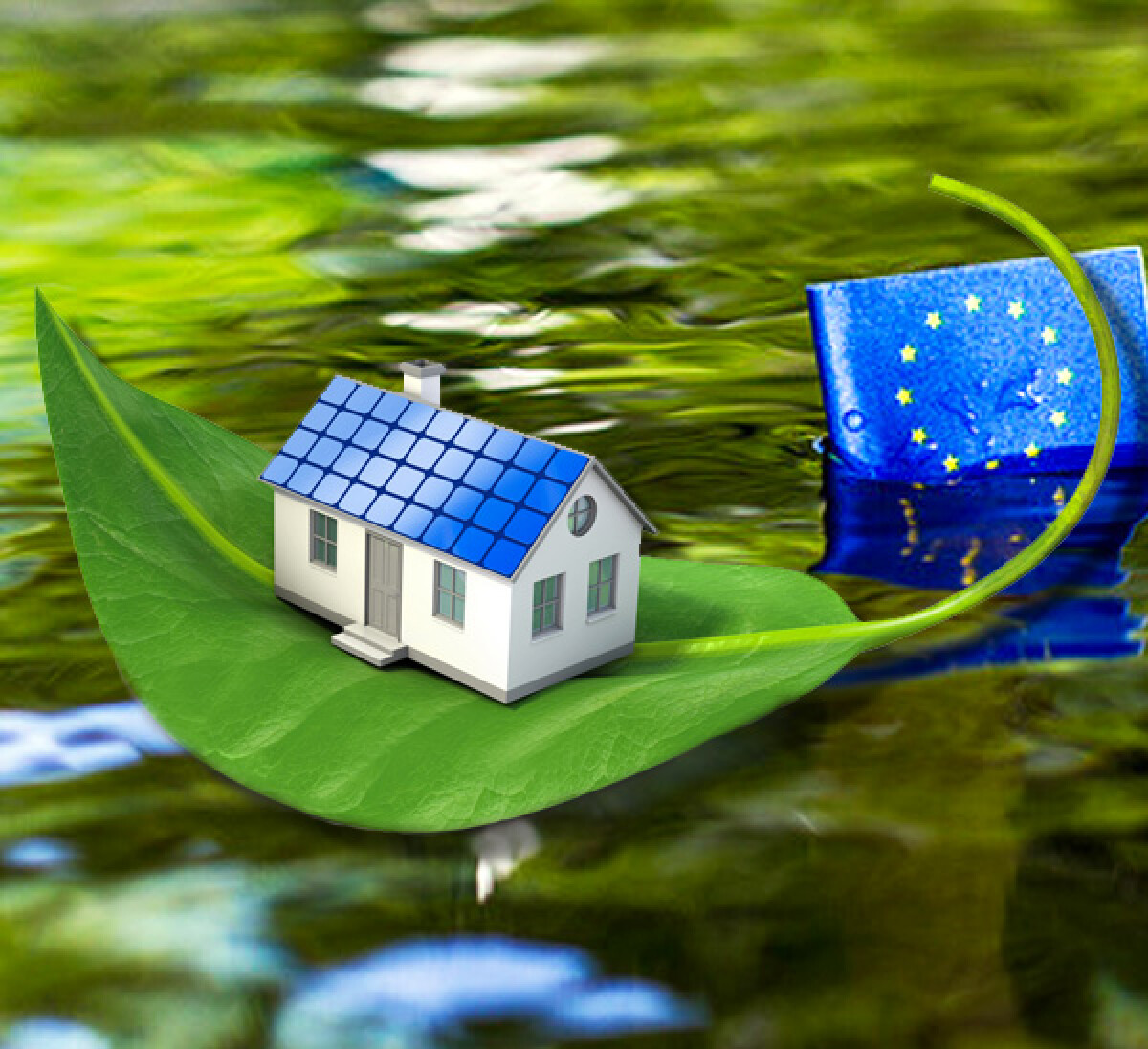
The European Union could soon reach and exceed the targets for energy efficiency, climate and environment established with the 2020 Climate&Energy Package, and get closer to the new target for carbon emissions reduction set by the 2030 Framework for Climate and Energy.
According to estimates by the European Commission and the European Environment Agency, in fact, in 2013 the European Union's greenhouse gas emissions decreased by 1.8% compared to 2012, amounting to -19%, the lowest level ever reached since 1990.
In 2013, says the Progress Report of the European Commission, the revenue of the EU Member States, deriving from auctioning emission allowances in the ETS (European Emissions Trading Scheme), amounted to 3.6 billion euros, of which it seems that around 3 billion euros will be used for the new climate and energy purposes set for 2030, that is, more than half of the share recommended by the EU.
As explained by Connie Hedegaard, EU Climate Action Commissioner, "Europe is ready to step up its act"; in fact, with the new package set for 2030, EU leaders have agreed to double the target set for 2020, setting 40% reduction in harmful emissions by 2030. Such a cut will naturally require more investments, a step that Europe seems to be ready to play, as evidenced by the recent European Commission representative’s statement.
Also thanks to the EU’s NER 300 programme, approximately forty large-scale projects promoting innovative low-carbon emission technologies across Europe are being financed through an initial investment of about €2 billions, which will be further implemented with additional funds shared by individual States.
The initiatives on climate and energy in Europe are mainly oriented towards areas such as energy efficiency, especially in France, renewables, as ocurring in Spain, and transport, as in Germany.
According to estimates by the European Commission and the European Environment Agency, in fact, in 2013 the European Union's greenhouse gas emissions decreased by 1.8% compared to 2012, amounting to -19%, the lowest level ever reached since 1990.
In 2013, says the Progress Report of the European Commission, the revenue of the EU Member States, deriving from auctioning emission allowances in the ETS (European Emissions Trading Scheme), amounted to 3.6 billion euros, of which it seems that around 3 billion euros will be used for the new climate and energy purposes set for 2030, that is, more than half of the share recommended by the EU.
As explained by Connie Hedegaard, EU Climate Action Commissioner, "Europe is ready to step up its act"; in fact, with the new package set for 2030, EU leaders have agreed to double the target set for 2020, setting 40% reduction in harmful emissions by 2030. Such a cut will naturally require more investments, a step that Europe seems to be ready to play, as evidenced by the recent European Commission representative’s statement.
Also thanks to the EU’s NER 300 programme, approximately forty large-scale projects promoting innovative low-carbon emission technologies across Europe are being financed through an initial investment of about €2 billions, which will be further implemented with additional funds shared by individual States.
The initiatives on climate and energy in Europe are mainly oriented towards areas such as energy efficiency, especially in France, renewables, as ocurring in Spain, and transport, as in Germany.