



Focus Around the world
This article is over 3 years old
Earth Policy Institute and the world map of geothermal installed capacity
The US, the Philippines and Indonesia occupy the first places in the world ranking for geothermal installed capacity. Italy occupies a distinguished fourth place.
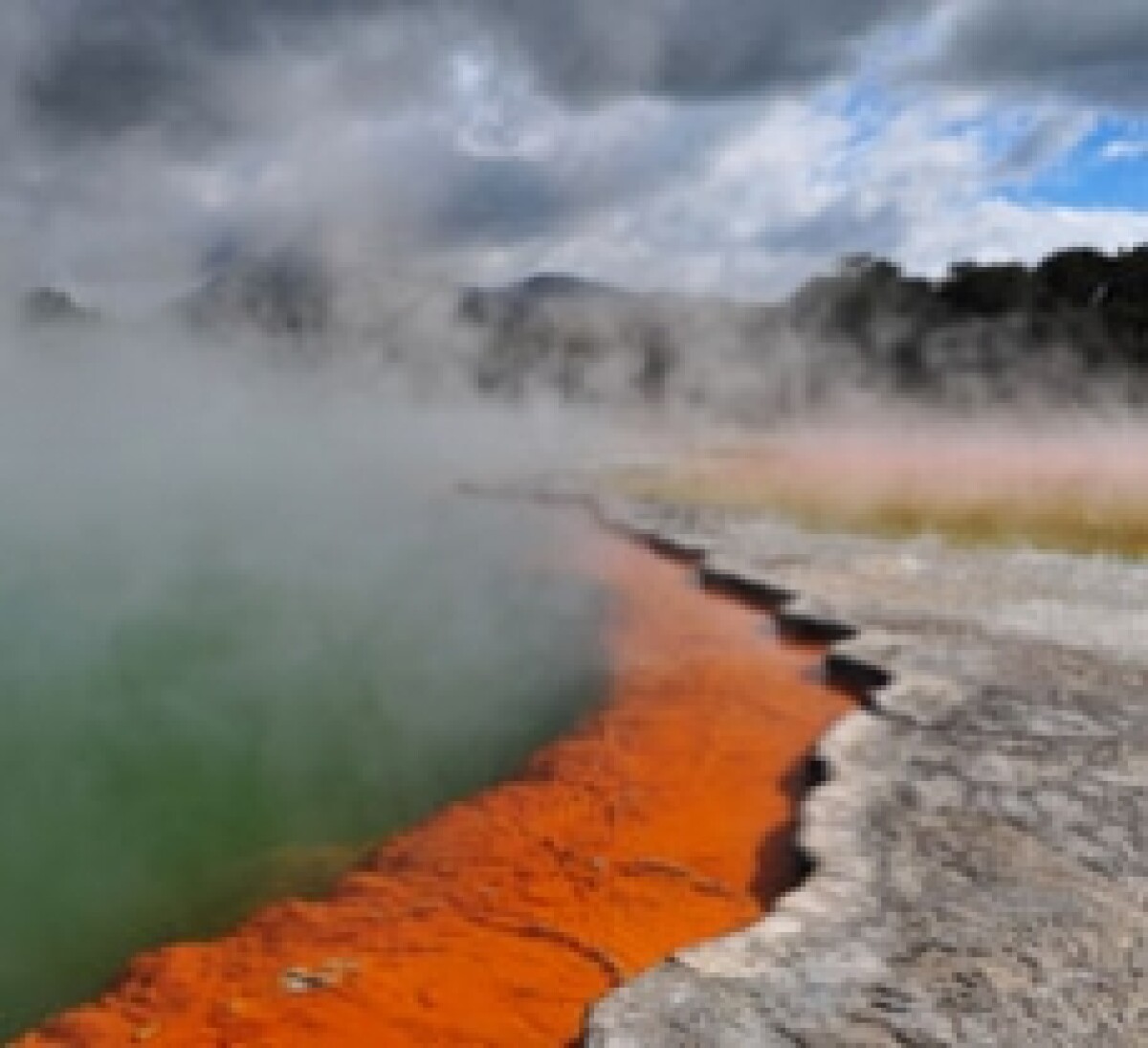
With its 11.700MW of installed capacity in 24 countries worldwide and an estimated growth rate much higher than traditional fossil fuels, such as oil and gas, the electricity generated from geothermal resources could hold big surprises for the future, in both economic and environmental terms.
According to Earth Policy Institute, an American organization for sustainable development, the estimated growth rate of the energy produced from geothermal resources was around 3% only in 2013, representing the best result achieved in the last years.
In fact, the geothermal potential seems to be higher than the one that has been estimated so far, although, for example, if compared to wind and solar energy, it is more difficult to measure its profit margins, in terms of cost and environmental comfort, due to the complexity and the costs required to identify potential geothermal resources in a given locality.
The drilling operations required identifying the ideal site where to install a geothermal system, are, besides uncertain, also expensive, constituting about 15% of the total expenditure necessary to finance the construction of a geothermal power plant. However, once built, the geothermal power plant can ensure electrical continuity 24h a day, feed as it is with almost zero cost fuels and low maintenance costs.
In the list compiled by Earth Institute on the countries that excel in installed geothermal capacity, the United States, followed by two absolute newcomers in the world rankings, such as the Philippines and Indonesia, occupy the top three positions, unexpectedly.
The three countries, in fact, alone contribute to 50% of geothermal energy world production. The United States, 80% of the energy (about 2800MW out of 3440MW) comes from California, a region notoriously rich in mineral resources though only 1% is used to meet the national demand, in contrast to the Philippines, where almost 2000MW comply with the 15% of domestic demand.
Indonesia, which by 2018, will open the largest geothermal power plant in the world (with 330MW of installed capacity) in Sumatra, announced the intention to reach 10,000 MW of power by 2025. An amount six times higher than its current production and all this thanks to the approval of a law that simplifies drilling operations on its territory.
Even the World Bank has mobilized in favor of geothermal energy, promoting, already in 2013, the Global Geothermal Development Plan, a program for the execution of drilling operations in developing countries. Funded with $115 million, out of $500 million estimated, the initiative should soon provide significant results in terms of identifying the most suitable areas in which to install geothermal systems.
Italy occupies the fourth place in the ranking: with its almost 1000MW of installed capacity, the peninsula has recently been cataloged by the European Platform RHC as the European country with the highest potential for production and transfer of heat from inside the Earth.
Thanks to the joint effort of the best performing countries dedicated to the research and development of geothermal resources, such as Austria, France, Germany and Norway, within 10 years Europe could even quadruple the energy produced from geothermal resources, so to meet about 1/4 of the heat needed to 800 million Europeans living in the territories of the Union.
According to Earth Policy Institute, an American organization for sustainable development, the estimated growth rate of the energy produced from geothermal resources was around 3% only in 2013, representing the best result achieved in the last years.
In fact, the geothermal potential seems to be higher than the one that has been estimated so far, although, for example, if compared to wind and solar energy, it is more difficult to measure its profit margins, in terms of cost and environmental comfort, due to the complexity and the costs required to identify potential geothermal resources in a given locality.
The drilling operations required identifying the ideal site where to install a geothermal system, are, besides uncertain, also expensive, constituting about 15% of the total expenditure necessary to finance the construction of a geothermal power plant. However, once built, the geothermal power plant can ensure electrical continuity 24h a day, feed as it is with almost zero cost fuels and low maintenance costs.
In the list compiled by Earth Institute on the countries that excel in installed geothermal capacity, the United States, followed by two absolute newcomers in the world rankings, such as the Philippines and Indonesia, occupy the top three positions, unexpectedly.
The three countries, in fact, alone contribute to 50% of geothermal energy world production. The United States, 80% of the energy (about 2800MW out of 3440MW) comes from California, a region notoriously rich in mineral resources though only 1% is used to meet the national demand, in contrast to the Philippines, where almost 2000MW comply with the 15% of domestic demand.
Indonesia, which by 2018, will open the largest geothermal power plant in the world (with 330MW of installed capacity) in Sumatra, announced the intention to reach 10,000 MW of power by 2025. An amount six times higher than its current production and all this thanks to the approval of a law that simplifies drilling operations on its territory.
Even the World Bank has mobilized in favor of geothermal energy, promoting, already in 2013, the Global Geothermal Development Plan, a program for the execution of drilling operations in developing countries. Funded with $115 million, out of $500 million estimated, the initiative should soon provide significant results in terms of identifying the most suitable areas in which to install geothermal systems.
Italy occupies the fourth place in the ranking: with its almost 1000MW of installed capacity, the peninsula has recently been cataloged by the European Platform RHC as the European country with the highest potential for production and transfer of heat from inside the Earth.
Thanks to the joint effort of the best performing countries dedicated to the research and development of geothermal resources, such as Austria, France, Germany and Norway, within 10 years Europe could even quadruple the energy produced from geothermal resources, so to meet about 1/4 of the heat needed to 800 million Europeans living in the territories of the Union.
