
BiniClima at MCE: the role of fan coils in heat pump systems
At MCE, BiniClima presents solutions dedicated to fan coils, including smart control, system applications and the new 2026 product catalogue.
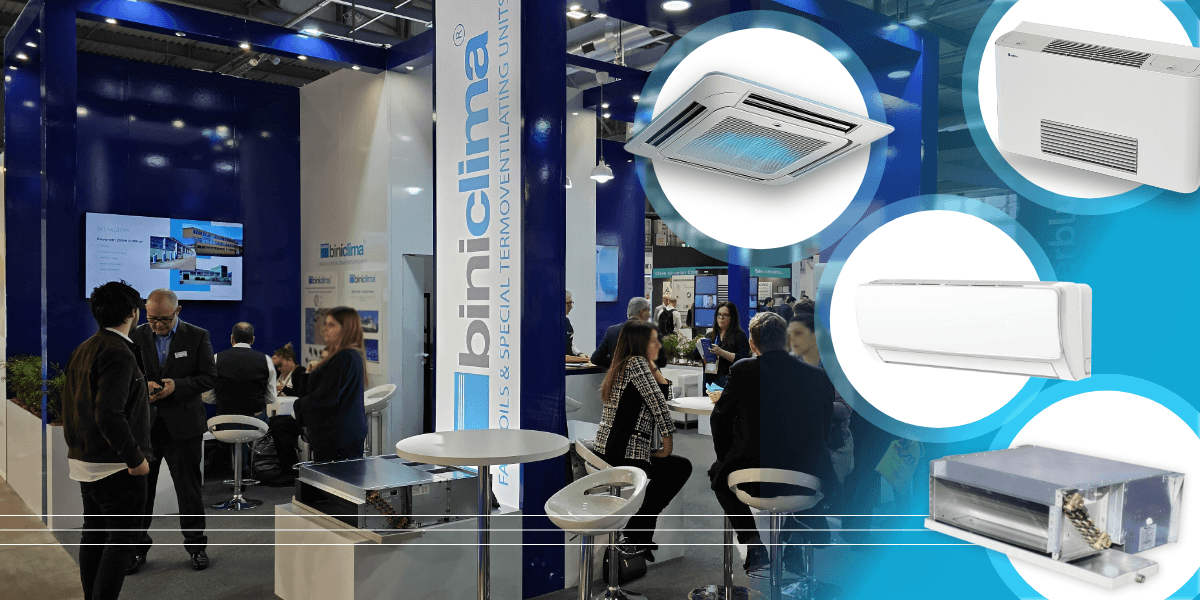
In the technical debate of recent years, much of the attention in the HVAC sector has focused on generators, particularly heat pumps , which are now at the heart of building decarbonisation strategies.
However, when it comes to energy efficiency and environmental comfort, the role of emissions terminals remains fundamental . It is precisely with this consideration in mind that BiniClima presents itself at MCE – Mostra Convegno Expocomfort, focusing on an element often taken for granted but still extremely relevant: the fan coil .
The company's participation in the Milan fair will have the aim of highlighting BiniClima's know-how in the world of fan coils and hydronic terminals , central elements in building air conditioning.
Room terminals and heat pumps: an often underestimated balance
In the evolution of HVAC systems, the spread of heat pumps has led to an increasing focus on the generator .
At the same time, however, the room terminal continues to be a crucial element for the system's proper functioning. It is precisely the terminal that translates the energy produced by the generator into actual comfort in the rooms , influencing factors such as temperature distribution, response speed, and spatial regulation.
In this scenario, the fan coil maintains some characteristics that make it particularly suitable for contemporary systems:
- great application versatility
- compatibility with low temperature systems
- ability to work effectively in both cooling and heating
- adaptability to residential and tertiary buildings.
For these reasons, the hydronic terminal continues to represent a simple but extremely effective solution, especially in systems powered by heat pumps.
Hydronic terminals for air conditioning: the BiniClima experience
The experience of BiniClima , an Italian company specialized in the development and production of hydronic terminals for environmental comfort, fits into this technological context.
Over the years, the company has built a recognized expertise in the sector, also collaborating as an OEM partner for international brands and developing a complete range of solutions dedicated to air conditioning.
The applications of BiniClima systems cover numerous areas:
- residential
- hotel facilities
- tertiary sector and offices
- special applications .
This positioning allows the company to present itself as a specialist in hydronic terminals , a role that will be central to its presence at MCE.
BiniClima at MCE: fan coils, smart control, and new hydronic terminal applications
BiniClima's participation in MCE – Mostra Convegno Expocomfort will be dedicated to presenting a clear vision of the role of hydronic terminals in contemporary HVAC systems.
The company will bring to the fair several elements that well represent its approach to the market: solutions designed to enhance the versatility of fan coils , their integration into heat pump systems and the evolution of control and regulation systems.
Visitors will be able to meet the BiniClima team at MCE 2026, Stand 9 M19 , where it will be possible to learn more about the main applications of hydronic terminals and the solutions developed by the company for air conditioning in residential and commercial buildings.
Among the solutions highlighted at the BiniClima stand will be the T21 Wi-Fi thermostat , designed to allow remote management of fan coils via an app. The device allows for simple and intuitive control of the room terminal and facilitates the integration of hydronic systems into smart systems.
The T21 is part of a family of controllers that also includes the T22, which features Modbus communication, and the T23, which integrates both Wi-Fi and Modbus. Together, they represent an accessible solution for introducing advanced control functions to fan coil systems.
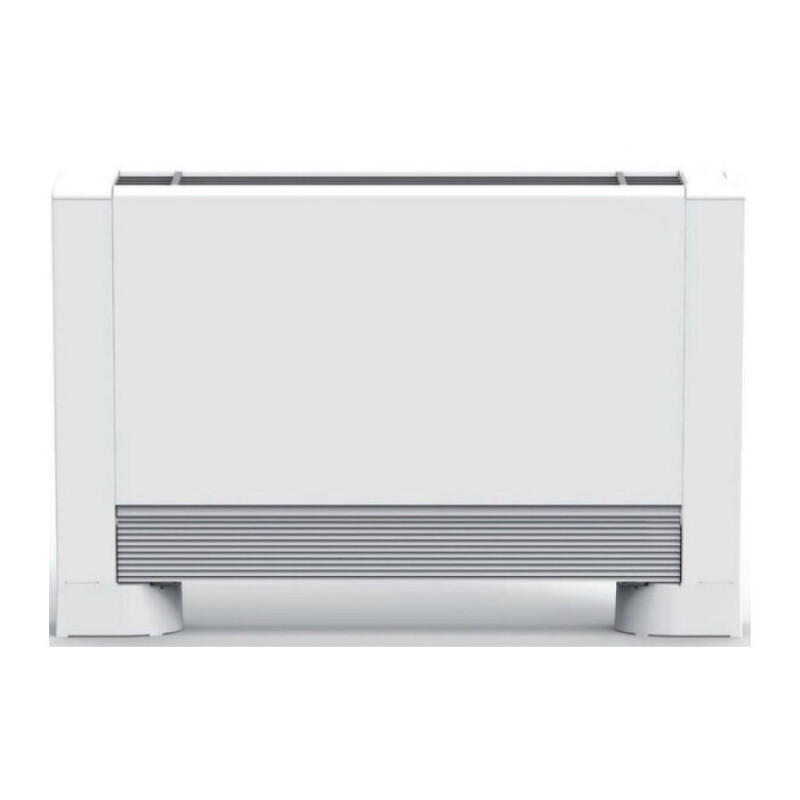
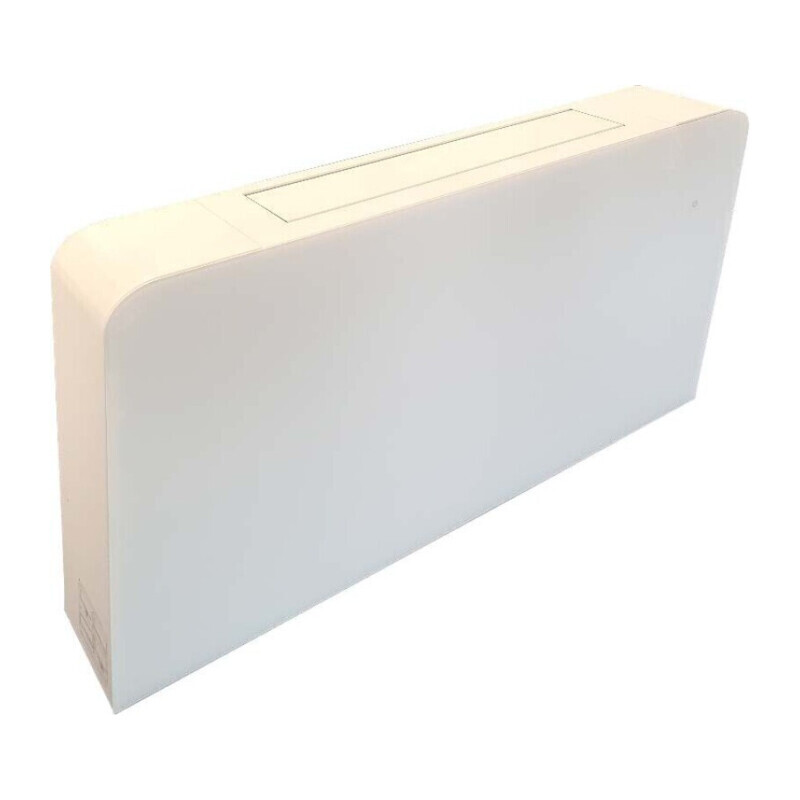
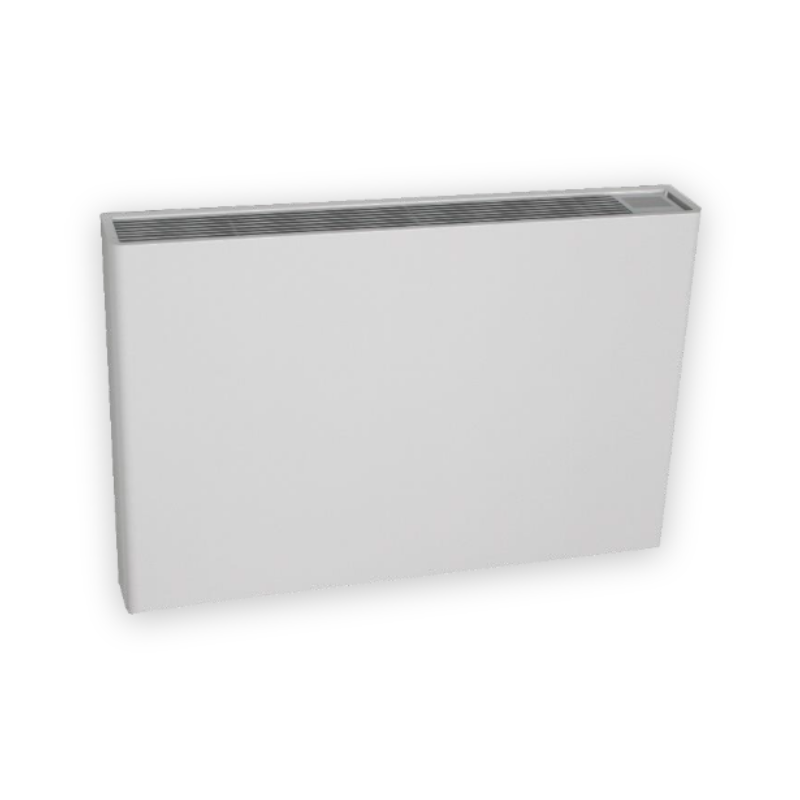
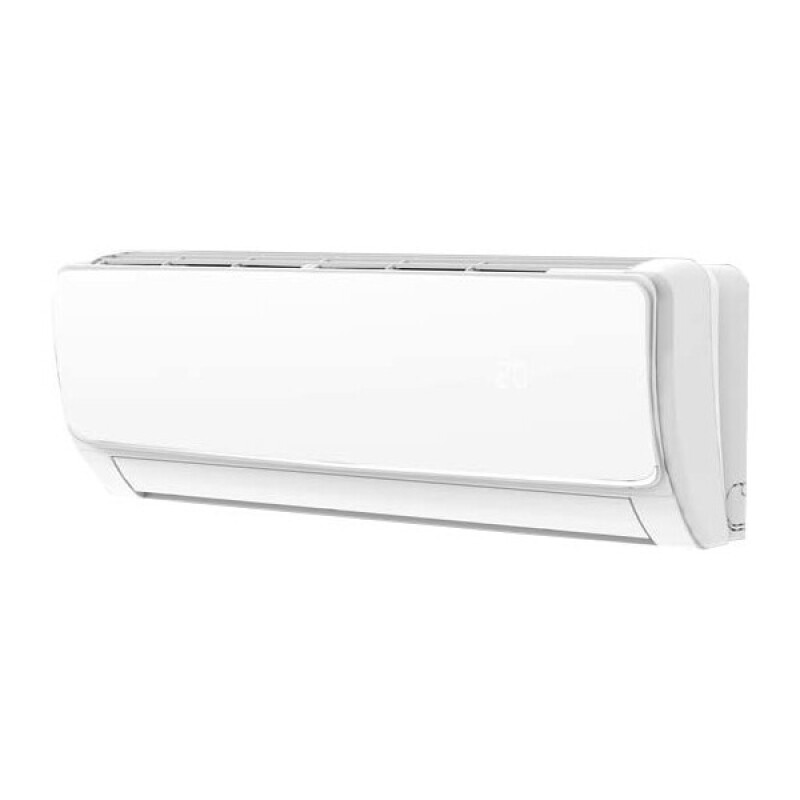
Alongside the control section, the stand will also feature a demonstration totem designed to illustrate some of the most common applications of hydronic terminals . The stand will feature three typical configurations: ceiling cassette, hydronic split, and traditional fan coil, demonstrating how this technology can adapt to different types of buildings and systems.
.png)
Completing the trade fair presence will be the new BiniClima 2026 catalog , completely updated in terms of graphics and product range presentation. The new editorial tool offers a clearer overview of the company's solutions and is designed to facilitate consultation by designers, installers, and distributors.
Overall, BiniClima's participation in MCE represents an opportunity to reiterate a concept often underestimated in technical debate: in modern HVAC systems, it's not just the generator that counts, but also the terminal that transforms the energy produced into real comfort in the rooms.
The role of the terminal in new generation HVAC systems
BiniClima's presence at MCE therefore aims to reiterate a concept often underestimated in technical debate: in modern HVAC systems, it's not just the generator that counts.
The room terminal plays a decisive role in determining comfort, efficiency and quality of regulation.
In this context, the fan coil continues to prove itself as a reliable and flexible solution, capable of integrating effectively with heat pumps and digital control systems.
An approach that confirms how, even in the era of intelligent systems, technological simplicity can remain one of the keys to efficiency.
To learn more about BiniClima's solutions for fan coils and hydronic terminal control in modern systems, visit MCE – Mostra Convegno Expocomfort, where the company will be present in Pavilion 9 – Stand M19.
Bini Clima Srl

FAQ
I fan coil sono compatibili con sistemi a bassa temperatura, tipici delle pompe di calore, e consentono una buona resa sia in riscaldamento che in raffrescamento, garantendo flessibilità e continuità di utilizzo durante tutto l’anno.
Il terminale è l’elemento che trasforma l’energia prodotta dal generatore in comfort reale, influenzando distribuzione della temperatura, rapidità di risposta e qualità della regolazione negli ambienti.
I fan coil trovano applicazione in residenziale, alberghiero e terziario, grazie alla loro capacità di adattarsi a diverse configurazioni impiantistiche e garantire comfort in ambienti con esigenze variabili.
Rispetto ad altri terminali, i fan coil garantiscono maggiore versatilità, risposta rapida e possibilità di gestione sia del caldo che del freddo, risultando particolarmente adatti agli impianti HVAC contemporanei.
L’integrazione con sistemi di controllo evoluti, come termostati smart o protocolli di comunicazione (es. Modbus), permette di ottimizzare la regolazione, migliorare l’efficienza e gestire da remoto il comfort degli ambienti.
Anche con generatori avanzati come le pompe di calore, la scelta del terminale resta fondamentale perché incide direttamente su prestazioni, comfort e qualità della regolazione, determinando l’efficacia complessiva dell’impianto.