



Chiller
Chiller: A Complete Guide to Choosing the Best Cooling System
Chillers are essential devices for temperature control in numerous industrial and commercial sectors. Their primary function is to remove heat from a liquid through a vapor compression or absorption cycle, making them indispensable for cooling environments, industrial processes, and machinery.
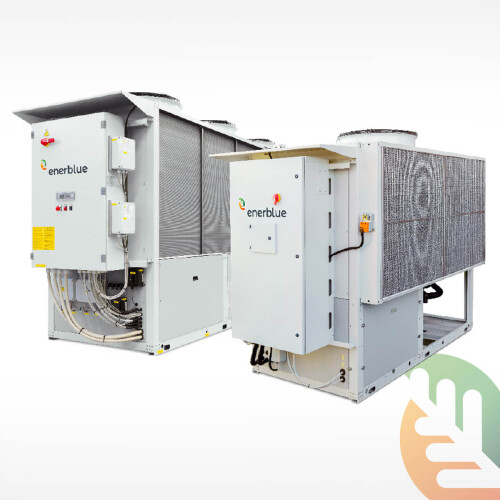

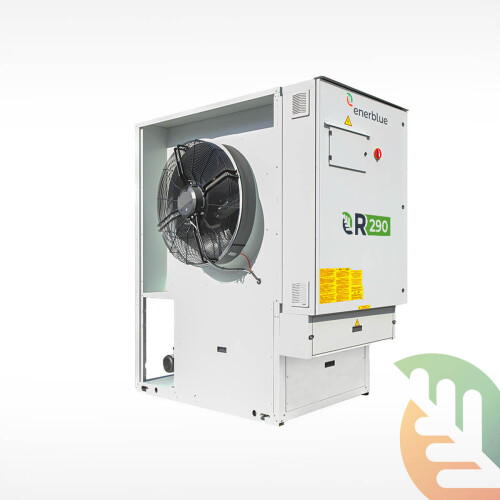
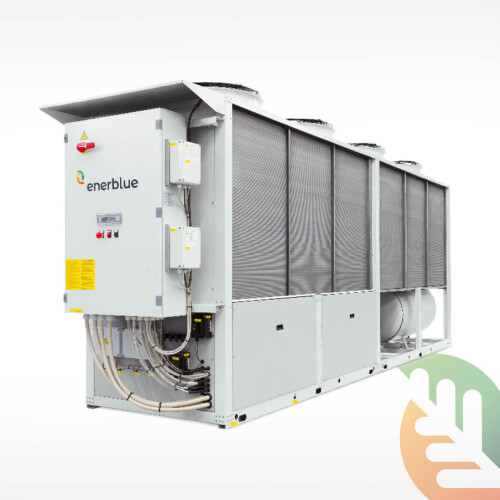
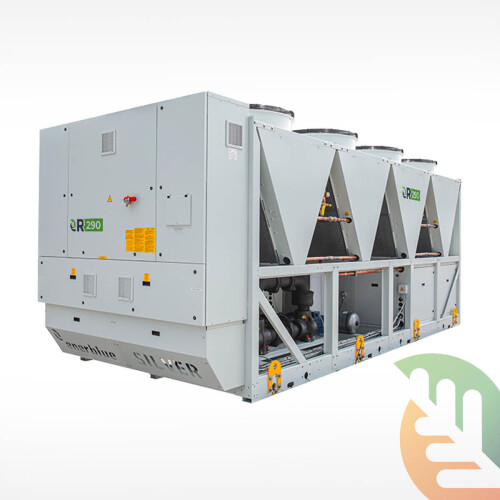


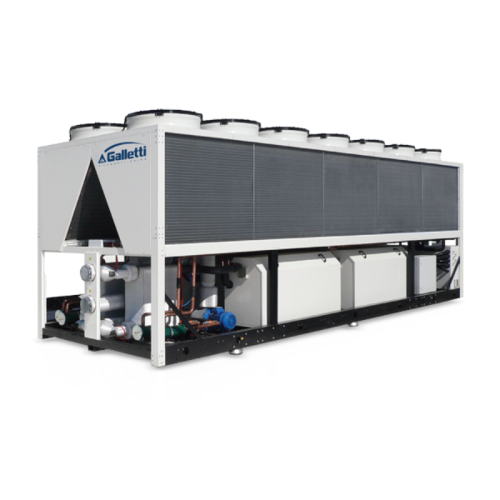




What are chillers?
Chillers are refrigeration units that cool liquids or air using a thermodynamic cycle. They are used in a wide range of sectors, including industrial, commercial, and residential.
Chillers can be divided into two main categories:
- Water chillers : These use water as the cooling medium and are generally more efficient than air-source chillers. These systems are ideal for applications requiring consistent and reliable cooling, such as industrial processes, large commercial buildings, and manufacturing plants.
- Air-source chillers: These use ambient air to dissipate heat. These systems are generally more compact and easier to install, making them a popular choice for applications that don't require high cooling capacity. They are commonly used in offices, small commercial buildings, and residential applications.
Chiller models
In addition to the distinction between water- and air-cooled chillers, there are different types of chillers based on their operation and specific applications. Vapor-compression chillers are the most common and use a compressor to increase the refrigerant pressure.
This type of chiller is highly efficient and can be used in a variety of applications, from the food and beverage to the pharmaceutical industry. Absorption chillers use a heat source to drive the refrigeration cycle, often using water and a refrigerant such as ammonia. They are ideal for applications where a waste or renewable heat source is available, such as thermal power plants or solar systems.
Modular chillers consist of multiple interconnected units, allowing for greater flexibility and scalability. This configuration is particularly useful for applications that require expanding cooling capacity over time, such as large commercial buildings or manufacturing plants.
How to choose the right chiller
Choosing the right chiller depends on several factors , including your specific cooling needs, energy efficiency, and your available budget. Here are some things to consider.
Cooling capacity is one of the most important factors to consider. It's essential to accurately calculate the required cooling load to ensure the chiller can meet operating needs without wasting energy. Energy efficiency is crucial for reducing operating costs and environmental impact.
It's important to choose a refrigerator with a high energy coefficient of performance (COP) and low consumption. Furthermore, regular maintenance is essential to ensure optimal operation of the refrigerator over time.
