GRID®: electric heating that changes the way we design comfort
Amorphous metal electric underfloor heating system, thin, responsive and ideal for new construction and renovations.
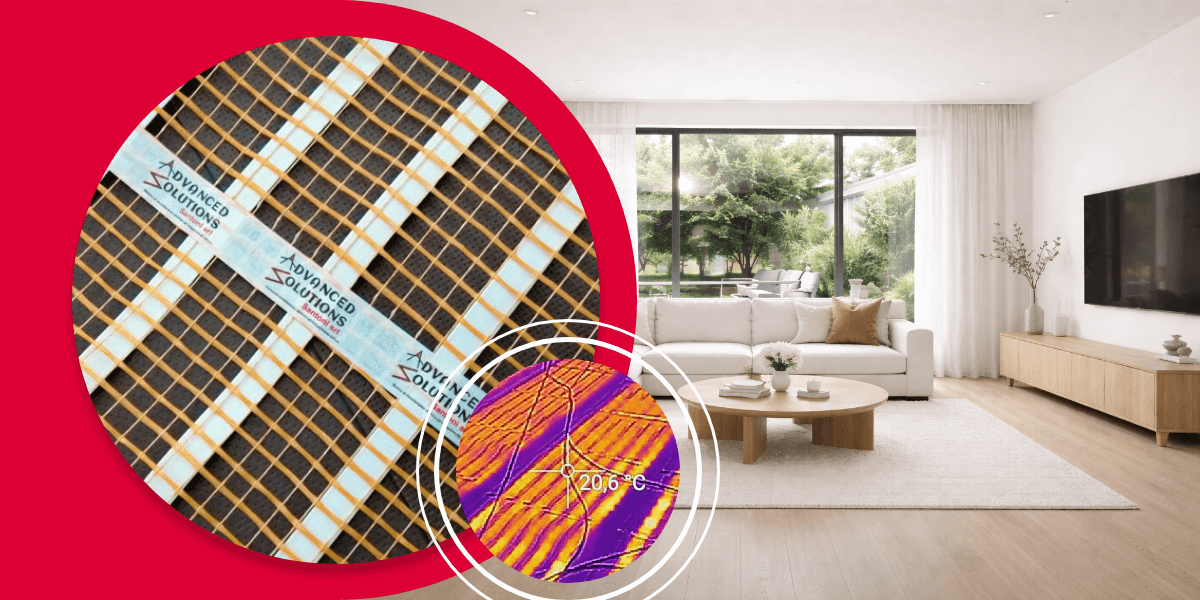
When we talk about underfloor heating, we almost automatically think of water-based systems, characterized by slow response times and a certain level of system complexity. Today, however, the context has changed: more efficient buildings, greater attention to energy consumption, and the growing diffusion of electrification are paving the way for different, simpler and more responsive solutions.
GRID® , the electric underfloor heating system developed by Santoni , fits right into this evolution. It doesn't just replicate the operation of traditional radiant systems in an electric version, but introduces a new approach based on immediacy, control, and adaptability to contemporary spaces .
Amorphous metal: a technology that changes the dynamics of heat
The element that makes GRID® different from other systems is the technological core on which it is based: amorphous metal . This is a special alloy used in the form of heating tape, capable of transferring heat directly and immediately .
Unlike hydronic systems, where heat is stored in the screed and released slowly, there is no thermal inertia here . This means the floor begins to heat up in just a few minutes and quickly reaches the desired temperature. This is a significant difference, especially in the day-to-day management of spaces: the heating no longer needs to be left on for hours, but can be activated only when needed, truly adapting to the rhythms of space use.
A radiant system designed for design flexibility
Another aspect that characterizes GRID® is its extremely thin structure . The heating mats are just a few millimeters thick, and this opens up very interesting design possibilities, especially in renovation projects.
Installation can also be done over existing floors, avoiding demolition and reducing construction time and costs. This makes the system particularly suitable for contexts where every centimeter counts, such as building renovations, existing apartments, or spaces with height restrictions.
Flexibility also extends to finishing materials: the system easily adapts to different surfaces, from ceramic to wood, maintaining consistent performance and excellent heat distribution.
A straightforward approach to energy efficiency: less waste, more control
There's another key element in GRID®'s operation that deserves attention: the absence of intermediate steps . Electrical energy is transformed directly into heat, without the use of fluids, generators, or complex circuits.
This significantly simplifies the system and reduces the losses typical of traditional systems. There are no boilers to manage, nor pumps or collectors that can impact overall efficiency. The result is a more linear system, where every watt used contributes directly to the comfort of the room .
Another key differentiator is the ability to manage heating for each individual room. This precise adjustment helps avoid waste and adapt operation to actual usage needs, improving the balance between comfort and consumption.
Uniform comfort and attention to safety
From a comfort standpoint, GRID® retains all the typical advantages of radiant heating. Heat is distributed evenly from below, avoiding stratification and air movement that can be annoying.
Amorphous metal technology also allows for controlled temperatures , effectively transferring heat without creating surface overheating. This is especially important when working with delicate materials like wood or some light finishes.
Even from a security perspective, the system is designed to offer long-term reliability . The high level of protection and declared long life make it a stable solution, designed to integrate discreetly yet seamlessly into everyday environments.
GRID®: A paradigm shift in underfloor heating
GRID® ultimately represents a shift in perspective in underfloor heating . It focuses not on storage, but on speed of response; not on system complexity, but on a more streamlined and controllable logic.
For designers and installers, this means being able to work with a solution that easily adapts to different contexts , reduces constraints during installation, and offers more dynamic management of comfort.
It is an approach that reflects the needs of contemporary living, where flexibility, efficiency, and simplicity are no longer separate elements, but parts of a single system.